
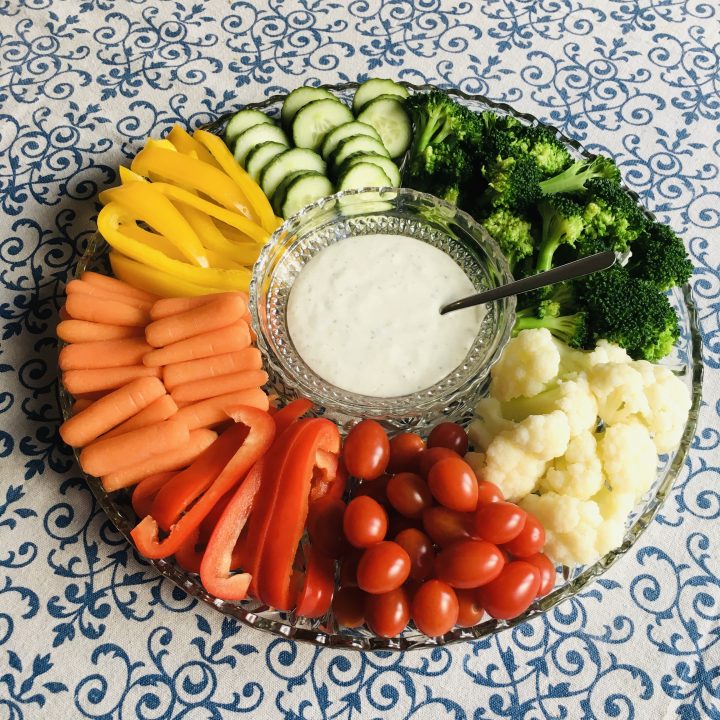
Most people think they know how to build a veggie tray until they actually watch one disappear in real time. Some trays are half gone in fifteen minutes. Others look untouched long after the party starts. The vegetables might be equally fresh, yet the outcome is completely different.
The reason isn’t nutritional value or even price. It’s behavior. People don’t “eat vegetables” at a gathering. They graze. They reach without thinking. They choose what feels easy, familiar, and visually inviting. That’s why professionals who work closely with custom veggie tray manufacturer partners rarely talk about trays as a collection of vegetables. They talk about flow, balance, and friction.
This article isn’t about perfection. It’s about what actually works when deciding what to put on a veggie tray, especially when that tray needs to survive more than a quick photo.
The Vegetables People Grab Without Thinking
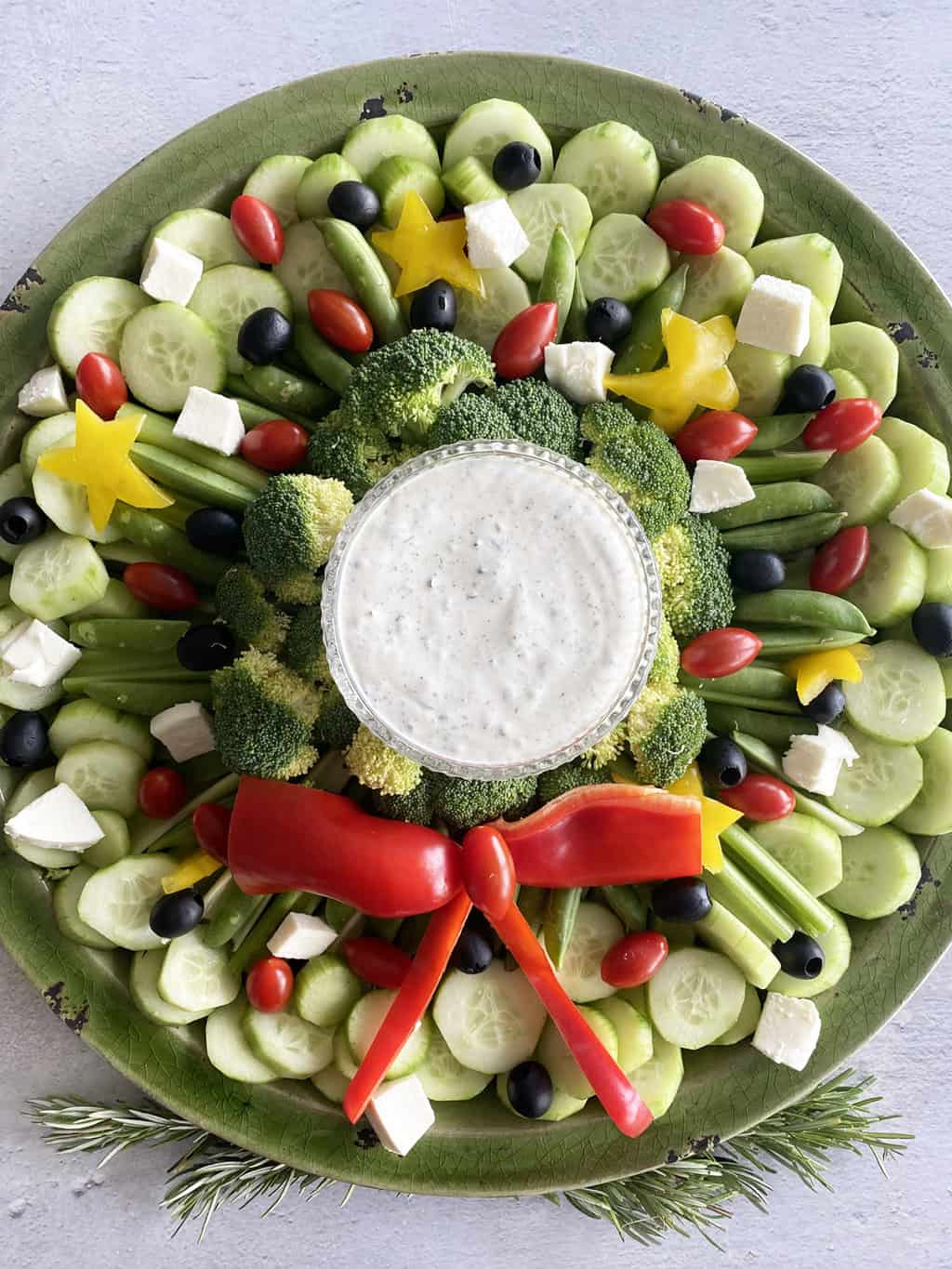
There’s a reason certain vegetables show up again and again. It’s not tradition. It’s muscle memory. Carrots, for example, don’t require explanation. People know how to hold them, how they’ll crunch, and what they’ll taste like before they even reach for a dip.
Celery tends to divide opinions, yet it still earns its place because it does something quietly important. It resets the palate. After something rich or salty, celery feels clean. Cucumbers play a similar role, especially when cut thick enough to stay crisp but not so thick that they dominate the bite.
Bell peppers bring more than color. They bring sweetness without heaviness. When mixed across red, yellow, and orange, they keep the tray from feeling flat. Cherry tomatoes are useful, but only when handled carefully. Too many, or placed without airflow, and they become slippery liabilities instead of highlights.
These choices aren’t accidental in commercial environments. Many OEM vegetable tray supplier programs rely on these vegetables because they behave predictably under pressure. They travel well, hold texture, and don’t punish you for prepping them a little early.
Cutting Is a Decision, Not a Detail
It’s easy to underestimate cutting style until it goes wrong. Pieces that are too thin dry out before anyone notices them. Pieces that are too large make dipping awkward, which slows people down and subtly discourages them from coming back for more.
Carrots work best when cut into confident sticks, not skinny shards. Cucumbers benefit from length rather than rounds, especially if the peel is left on for structure. Bell peppers look better when sliced in a way that shows off their shape instead of collapsing into uneven strips.
This kind of consistency is why ODM fresh vegetable tray factory layouts often look deceptively simple. The simplicity comes from decisions made early, not from lack of effort. When cutting feels intentional, the entire tray feels calmer.
Color Is Doing More Work Than You Think
A veggie tray doesn’t need to look like a rainbow to work, but it does need contrast. When everything blends into the same color family, people stop seeing individual items. The tray becomes background.
Warm colors naturally attract attention first. That’s why orange and red vegetables tend to disappear faster. Greens work better as support, filling space and framing brighter elements. Specialty items like rainbow carrots or mixed tomatoes can elevate a tray, but only when they don’t compete with everything else.
In retail and foodservice, this logic is built into development. Many foodservice vegetable tray manufacturer teams test color placement because they know the eye makes decisions before the hand does.
When and Why to Add Something “Extra”

Not every tray needs gourmet elements, but the right addition can change how people perceive the whole spread. Roasted vegetables add warmth, even when served cold. A few well-roasted Brussels sprouts or sweet potato slices can anchor a section of the tray and give it weight.
Pickled vegetables introduce acidity, which cuts through creamy dips and richer add-ons. The trick is subtlety. Quick pickles that still taste like vegetables work better than aggressive flavors that steal attention.
Blanched vegetables sit somewhere in between. Asparagus and green beans, when handled properly, feel intentional without being showy. Less familiar vegetables like jicama or kohlrabi succeed because of texture, not novelty. They crunch in a way that surprises people, then gets them to reach back.
Premium assortments often rely on this balance, especially when developed alongside a custom produce tray supplier that understands how much variation a tray can realistically handle.
Dips Shape the Entire Experience
Dips don’t just complement vegetables. They dictate how the tray gets used. Too many options create hesitation. People pause, decide, and sometimes walk away. A small number of well-chosen dips keeps things moving.
Classic dips earn their reputation because they work across multiple vegetables. Hummus, ranch, and yogurt-based sauces cover a lot of ground. Creative dips should feel purposeful. Nut-based spreads add richness. Herb-forward sauces brighten milder vegetables.
Health-focused dips matter, but not at the expense of enjoyment. Most guests prefer moderation over extremes. A tray that acknowledges indulgence feels more honest than one that tries too hard to impress.
In large-scale settings, dip selection is rarely separated from logistics. A vegetable tray manufacturer for catering services considers portion size, viscosity, and placement long before the tray reaches a table.
Arrangement That Invites Movement
A tray should guide people, not challenge them. Height adds interest, but only when it doesn’t block access. Gentle layering works better than dramatic stacking. Vegetables should feel abundant without feeling crowded.
Some trays benefit from grouping by color, others from gradual transitions. There’s no universal rule, only awareness of space. Dips can sit in the center or slightly off-balance, depending on how people are expected to approach the tray.
This flexibility is why custom molded veggie tray factory designs tend to avoid rigid compartments. A good tray adapts to different occasions without fighting the arrangement.
Preparing Ahead Without Paying for It Later
Timing mistakes ruin more veggie trays than bad vegetables ever do. Some items tolerate advance prep gracefully. Others don’t forgive you at all. Carrots and celery can sit comfortably when stored correctly. Cucumbers and tomatoes need fresher handling.
Moisture control is the quiet hero here. Too dry, and vegetables wilt. Too wet, and they sweat. Dips benefit from being made early, but only if they’re protected from air exposure.
In commercial environments, these steps are built into process. Many vegetable tray packaging supplier solutions are designed specifically to support prep without sacrificing appearance.
Themed Trays That Feel Thoughtful, Not Forced

Themes help narrow decisions. Holiday trays lean on color cues. Kid-friendly trays rely on familiarity and playful shapes. Rainbow trays work best when colors feel evenly distributed rather than chaotic.
Plant-based themes succeed when protein is considered. Hearty dips and filling vegetables keep the tray from feeling like an afterthought. The goal isn’t novelty. It’s coherence.
Mistakes That Quietly Kill a Good Tray
Cutting too early drains life from vegetables. Overloading sections creates imbalance. Ignoring allergen considerations causes unnecessary stress for guests.
The most common mistake, though, is trying too hard. A veggie tray doesn’t need to prove anything. It just needs to feel easy.
A well-built veggie tray doesn’t announce itself. It quietly does its job, drawing people back again and again. When choices feel natural and preparation feels intentional, the tray disappears faster than anyone expects.