
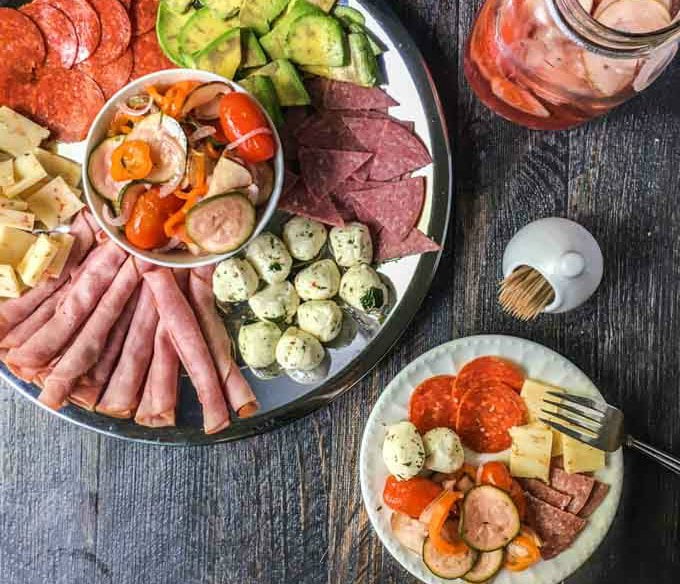
For many diners encountering it for the first time, the relish tray feels oddly out of time. It arrives before anything else, unannounced, already arranged, already waiting. No menu description. No explanation from the server. In the Midwest, this silence is intentional.
The relish tray does not introduce itself because it does not need to. It belongs to a dining culture that assumes patience, familiarity, and a shared understanding of how a meal is meant to unfold.
Why the Midwest Never Needed to Explain the Relish Tray
:max_bytes(150000):strip_icc()/KH_071222_MWL0686_RelishTray.Primary-08c3c96ed7ba4152b79166bbcb0fb852.jpg)
In much of the Midwest, food traditions developed around repetition rather than reinvention. Families ate similar meals week after week. Restaurants served familiar dishes year after year. The relish tray fit neatly into that environment because it rewarded recognition instead of novelty.
It was never meant to impress. Its role was functional, social, and subtle. While coastal dining cultures often emphasize the opening moment of a meal, Midwestern dining has historically emphasized continuity. The relish tray simply keeps the table occupied while conversation settles.
That understated role explains why many long-running restaurants still source from a traditional relish tray manufacturer, favoring durability and portion logic over dramatic presentation.
Supper Clubs and the Slow Architecture of Dinner
The supper club did more than popularize the relish tray. It provided the conditions that allowed it to thrive. These establishments were built for lingering. Drinks preceded food. Entrées were not rushed. Tables were meant to be occupied for hours, not minutes.
Within that rhythm, the relish tray acted as a buffer. It absorbed time. It softened the wait. It gave diners permission to slow down.
This service style shaped the physical design of the tray itself. Compartments needed to hold brined vegetables without bleeding flavors. Materials needed to survive nightly use. Many clubs worked with a custom relish tray supplier to refine designs that balanced practicality with familiarity.
Preservation Before Presentation
Long before the relish tray became a restaurant staple, it was a household habit. Midwestern winters demanded preservation. Pickling was not a culinary flourish but a necessity. Cucumbers, onions, cabbage, and peppers were stored to carry families through months without fresh produce.
When these preserved foods appeared together on a single plate, it was not an aesthetic decision. It was efficient. Over time, efficiency became tradition.
Even as restaurants adopted the format, the mindset remained unchanged. That is why modern operators still rely on OEM relish tray production rather than bespoke, one-off designs that miss the point entirely.
What Actually Defines a Midwest Relish Tray
Trying to define a Midwest relish tray by ingredients alone misses the mark. The defining feature is restraint. The tray avoids excess. It avoids explanation. It avoids hierarchy.
Pickled items anchor the tray. Fresh vegetables appear, but rarely dominate. Spreads or cheeses, if present, play a supporting role. Everything is meant to be eaten casually, without ceremony.
From an operational perspective, this simplicity matters. Restaurants sourcing from a food-grade relish tray factory tend to prioritize consistency and washability over seasonal reinvention.
Regional Differences Without Regional Debate
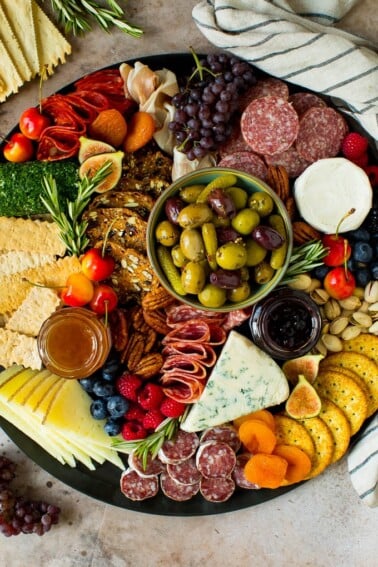
Wisconsin is often treated as the epicenter of relish tray culture, and not without reason. The practice is most deeply embedded there. Illinois maintains a similar tradition, though often with more variation depending on the establishment.
Further west and north, the presence of relish trays becomes less predictable. Minnesota and Michigan preserve the idea, but not always the format. In these states, the tray is more likely to appear at family gatherings than in commercial dining rooms.
This uneven distribution explains why national restaurant chains rarely adopt the practice successfully. Without shared expectations, the tray loses its meaning.
The Relish Tray at Home
In homes across the Midwest, relish trays occupy a specific moment. They arrive early. They stay late. They are grazed, ignored, returned to, and eventually emptied without comment.
Holiday tables almost expect them. Preparation often begins days in advance. The tray itself becomes a familiar object, passed down or replaced with something equally unremarkable.
For larger gatherings, hosts often turn to reusable relish trays for bulk hospitality buyers, choosing pieces that feel sturdy rather than precious.
Why the Tradition Began to Fade
The decline of the relish tray did not happen suddenly. It receded quietly. Dining sped up. Complimentary items became line items. Restaurants began measuring efficiency in minutes rather than memories.
Younger diners, raised in a different food economy, often encounter relish trays without context. Without that context, the tray feels optional, even obsolete.
When some establishments began charging for what had once been freely offered, the shift felt symbolic. Hospitality had changed.
Where Relish Trays Still Make Sense
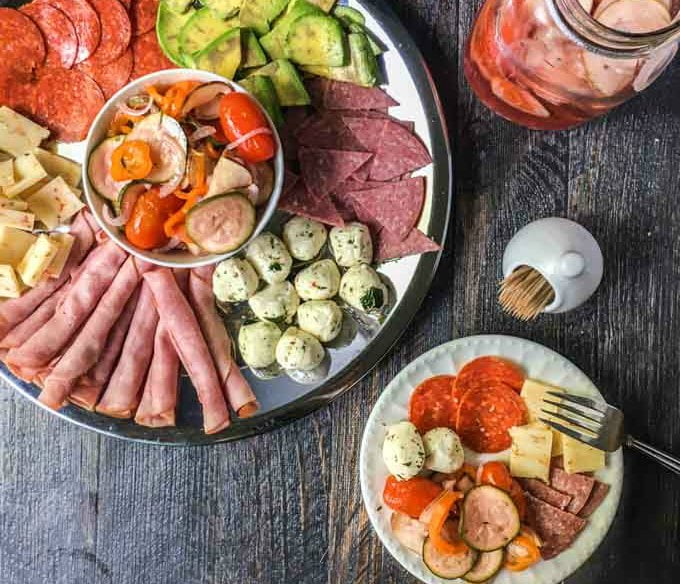
Despite these changes, the relish tray has not disappeared. It has simply retreated to places where time still matters. Long-standing supper clubs. Rural restaurants. Community halls. Family basements during holidays.
In these spaces, the tray functions as intended. It is not styled. It is not photographed. It is used. Many such venues continue sourcing from a commercial relish tray manufacturer serving legacy restaurants, favoring continuity over reinvention.
Recreating the Midwest Approach
Recreating a Midwest relish tray is less about accuracy and more about attitude. The tray should feel settled, not curated. Foods should hold up over time. The presentation should invite return visits, not demand immediate attention.
That philosophy aligns closely with how restaurants work with a custom serving tray factory for regional dining concepts, focusing on long-term usability rather than seasonal redesigns.
More Than Food on a Tray
Ultimately, the relish tray represents a worldview. It assumes meals are social. It assumes guests will stay. It assumes abundance does not need explanation.
In a dining culture increasingly focused on speed and spectacle, this assumption feels almost radical.
Why the Relish Tray Still Belongs to the Midwest
So, is the relish tray a Midwest thing? Not because other regions could not adopt it, but because few still share the conditions that allow it to make sense.
The relish tray survives where patience is still valued, where hospitality is measured quietly, and where food is allowed to simply be present.
That may be why, even as trends come and go, the relish tray remains quietly, stubbornly Midwestern.