
Most veggie trays don’t go bad suddenly. They fade. One day they look fine, the next day they feel slightly off, and by the third or fourth day you’re standing in front of the refrigerator asking yourself a question no one really wants to answer: “Is this still okay to eat?”
That uncertainty is exactly why veggie trays cause so much confusion. They’re prepared food, but they’re not cooked. They’re fresh, but they’re already cut. People expect them to behave like whole vegetables, even though they no longer do. This is something professionals who work with custom veggie tray manufacturer partners understand well, but it’s rarely explained clearly to everyday users.
Shelf life, in this case, isn’t about a single number. It’s about how fast small problems start adding up.
How Long a Veggie Tray Actually Lasts in the Refrigerator
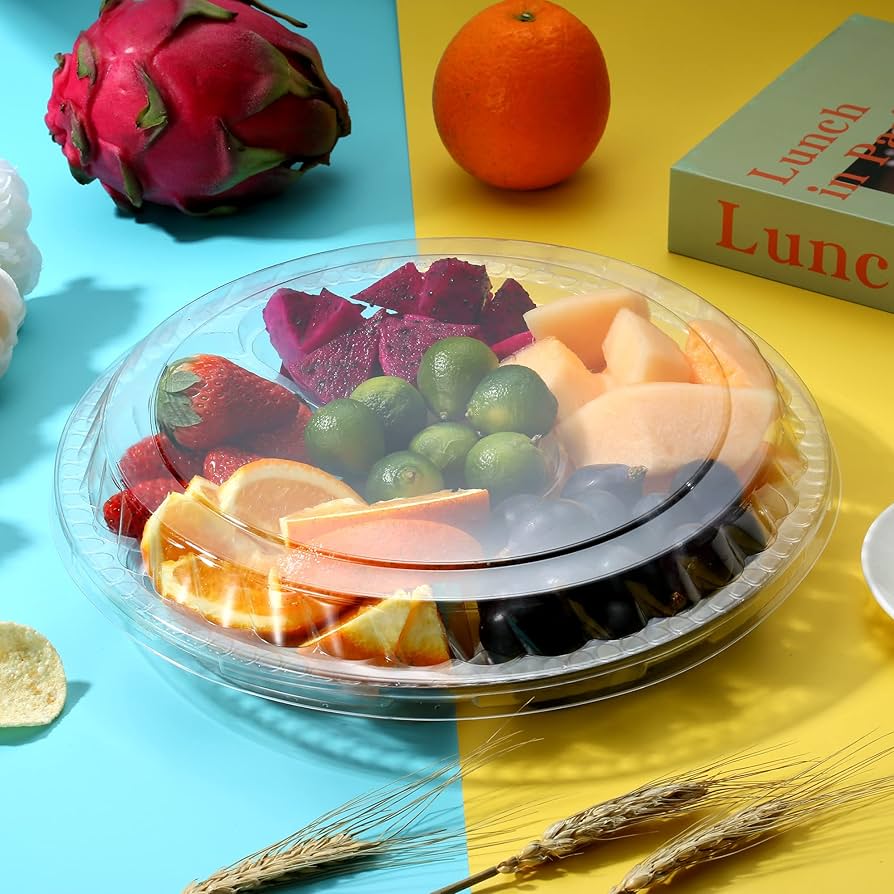
![10" Fruit Veggie Tray with Lid [4 Pack], Clear PET Plastic Round 5 Compartment Party Trays](https://m.media-amazon.com/images/I/8191sTG+UWL._AC_UF894,1000_QL80_.jpg)
In most home refrigerators, a veggie tray usually holds up for about three to five days. That range exists because veggie trays don’t live in controlled conditions. They get opened, moved, partially covered, and exposed to temperature changes far more often than people realize.
A tray that stays sealed, sits toward the back of the fridge, and contains mostly firm vegetables tends to last closer to the upper end of that range. A tray that’s opened multiple times, pushed near the door, or filled with moisture-heavy vegetables can feel questionable much sooner.
In retail and foodservice settings, this difference is taken seriously. Many OEM vegetable tray supplier systems are built around limiting exposure at every step, from cutting to packaging. At home, those same factors exist, just without the structure.
Homemade vs Store-Bought Veggie Trays: Why One Isn’t Always Better
Homemade veggie trays feel fresher, and often they are. You’re cutting vegetables closer to the time they’ll be eaten, which gives you a quality advantage at the start. But that advantage disappears quickly if storage isn’t handled carefully.
Store-bought trays are designed differently. They’re usually prepared earlier, but under controlled conditions. Some are treated to slow browning or moisture loss, and most are packaged to limit air exchange. That’s why a tray produced by a ready-to-serve vegetable tray manufacturer can sit in a refrigerator case for days without obvious spoilage.
The sell-by date on those trays isn’t a promise of peak freshness. It’s a safety guideline. Homemade trays don’t come with that buffer, which is why timing matters more than people expect.
The Vegetables That Quietly Shorten the Life of the Tray
Not all vegetables age politely. Some deteriorate slowly and visibly. Others collapse behind the scenes and take the rest of the tray with them.
Cucumbers, tomatoes, and leafy greens are usually the first to cause trouble. They release moisture, soften quickly, and create conditions where bacteria thrive. Once that excess moisture spreads, even sturdy vegetables nearby start to suffer.
Carrots, celery, and bell peppers behave differently. They hold structure longer and don’t leak as easily. That’s why they often look fine even when the tray itself smells wrong.
This “weakest link” effect is well known in production environments. A fresh-cut vegetable tray supplier plans tray composition carefully because one unstable vegetable can reduce usable shelf life for everything else.
Why Storage Location Inside the Fridge Matters More Than Temperature
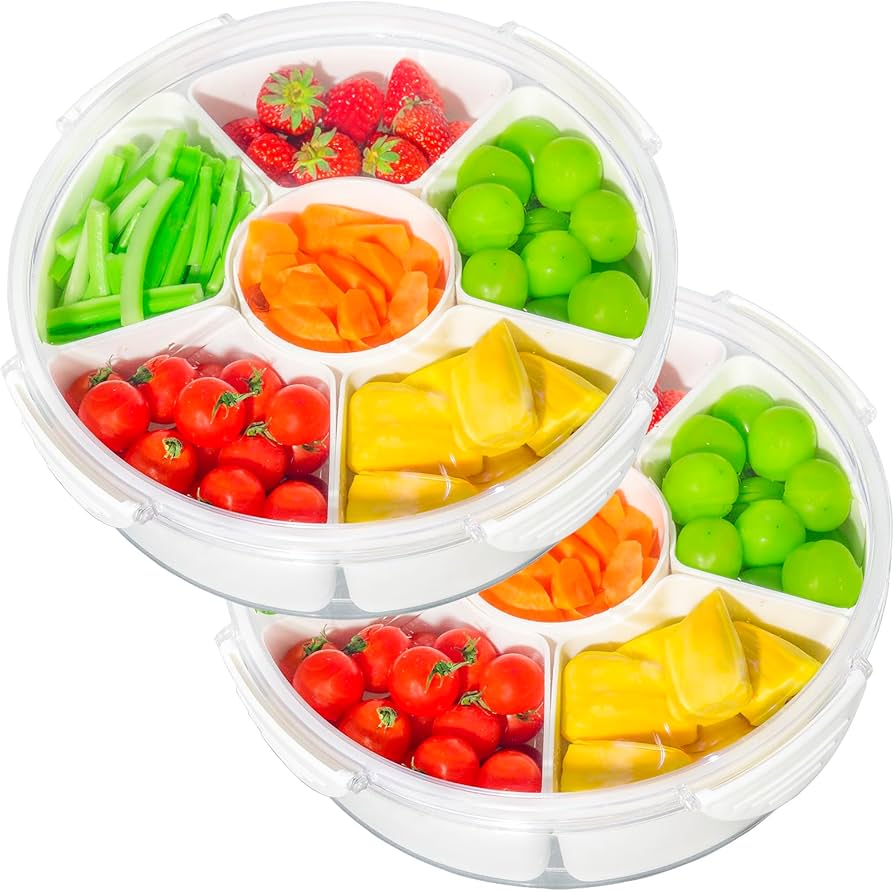
People focus on fridge temperature, but placement often matters more. The door is the worst place for a veggie tray. Every time it opens, warm air rushes in. Those fluctuations speed up spoilage even if the fridge is set correctly.
The back of the refrigerator stays colder and more stable. Trays stored there experience fewer temperature swings and retain texture longer. Humidity also plays a role. Too much moisture leads to slime. Too little leads to wilting.
This balance is hard to maintain once a tray is opened, which is why commercial packaging from an ODM veggie tray factory often aims to control airflow as much as temperature. At home, thoughtful placement is your best substitute.
What Changes the Moment Vegetables Are Cut
Cutting vegetables does more damage than most people realize. Once the surface is broken, moisture escapes and oxygen rushes in. That’s when texture starts to change, even if you can’t see it yet.
Pre-cut vegetables usually lose one to two days of shelf life compared to whole vegetables stored under similar conditions. Browning at the edges is the obvious sign, but softening often begins earlier.
This tradeoff is why foodservice operations working with a custom vegetable tray manufacturer don’t treat pre-cut and whole vegetables the same way. Convenience always costs time.
Knowing When a Veggie Tray Is No Longer Safe
Spoilage rarely hides itself completely. Color dulls. Surfaces turn slick. Smells shift from fresh to sour or musty. Texture becomes inconsistent, with some vegetables feeling limp while others release liquid.
There’s a temptation to “rescue” a tray by removing one bad section, but that only works early on. Once moisture and odor spread, the safest choice is to discard the entire tray.
In professional kitchens supplied by a vegetable tray manufacturer for catering operations, this decision isn’t debated. When signs appear, the tray is done.
Food Safety Rules That Actually Apply to Veggie Trays
Shared dips are one of the biggest risk factors. Once a dip has been used and returned to the fridge, bacteria are introduced that weren’t there before. That changes the entire tray’s safety profile.
Time at room temperature matters too. Veggie trays left out for extended periods can cross a line where refrigeration no longer restores safety. Repeated warming and cooling makes things worse, not better.
These rules aren’t about paranoia. They’re the same standards followed by any commercial veggie tray supplier dealing with high-volume service.
How People Extend Shelf Life Without Ruining Texture

Separating vegetables by moisture needs is surprisingly effective. Storing wetter vegetables away from drier ones slows overall decline. Some firm vegetables respond well to short water storage, regaining crispness when managed properly.
Paper towels help absorb excess moisture, but only when they’re changed regularly. Wrapping vegetables too tightly traps condensation, which accelerates spoilage instead of preventing it.
Many of these habits mirror what a vegetable tray packaging supplier designs into containers at scale. At home, the principle stays the same even if the tools are simpler.
Washing Vegetables Before Storage: Helpful or Harmful?
Washing vegetables early feels responsible, but it often backfires. Moisture left behind creates ideal conditions for bacteria, especially on leafy greens.
Firm vegetables tolerate early washing better because they dry quickly. Delicate greens and herbs don’t. Without thorough drying, their shelf life shortens dramatically.
Commercial processors rely on specialized drying systems, which is why products from a pre-packed veggie tray factory behave differently once opened at home.
Common Mistakes That Shorten Veggie Tray Life
Storing veggie trays near fruit is a quiet mistake. Ethylene gas speeds up spoilage in sensitive vegetables. Overcrowding the fridge restricts airflow. Reusing containers without proper cleaning introduces bacteria immediately.
None of these mistakes feel dramatic, but together they cut shelf life in half.
A veggie tray doesn’t need to last forever. It just needs to last long enough to be enjoyed safely. When you understand how cutting, storage, handling, and timing interact, those decisions become easier and far less stressful.
Freshness isn’t luck. It’s a series of small choices made early.