
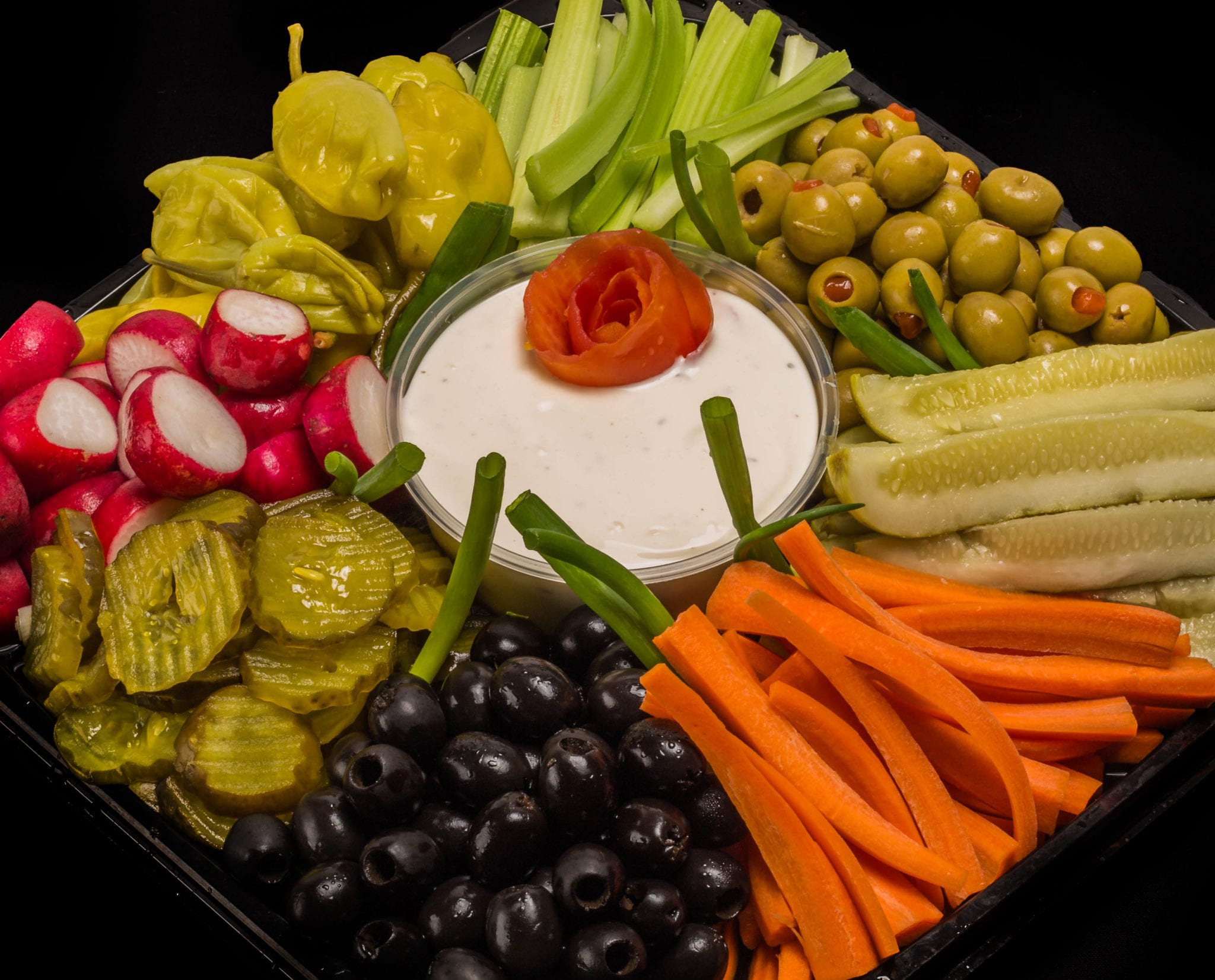
A relish tray does not announce itself. It does not need to. It arrives early, sits quietly, and somehow ends up empty by the time dinner is ready. Most guests never comment on it, yet almost everyone reaches for it. That pattern alone says a lot.
Relish trays are not trendy, not dramatic, and rarely photographed. Still, they persist. Not because they impress, but because they work.
What a Relish Tray Is When You Stop Overthinking It
In practice, a relish tray is simply a group of pickled and brined foods placed on the table before a meal. It is meant to be eaten slowly, without attention, often while conversation is still warming up. The flavors are sharp by design. Vinegar, salt, fermentation. None of that is accidental.
In places like Wisconsin supper clubs, this tray was never framed as an appetizer choice. It was automatic. Drinks arrived, the tray followed, and no one asked questions. The purpose was practical. Wake up the appetite. Give people something to do with their hands. Ease the transition into dinner.
That context matters, because it explains why relish trays still feel relevant even now. They were built around behavior, not presentation.
Why Relish Trays Don’t Behave Like Charcuterie or Crudités
Relish trays often get lumped together with other appetizer boards, mostly because they share the same real estate on the table. But once you start eating, the difference is obvious.
Charcuterie fills you up. Crudités cool things down. A relish tray sharpens everything. Pickled items dominate, and fresh vegetables play a supporting role. The tray is not trying to replace a course. It is preparing you for one.
That distinction shows up clearly in professional environments. Restaurants sourcing from an appetizer tray supplier care far less about aesthetics and far more about how the tray handles moisture, refilling, and constant reaching.
Pickles and Brine as the Actual Structure
Remove the pickles and the tray collapses. Dill pickles bring bite and familiarity. Sweet pickles slow things down. Bread-and-butter styles soften sharpness without erasing it. Olives do quiet work in the background, adding fat and salt so the tray does not feel aggressive.
Beyond that, the exact mix tends to follow habit more than rules. Some trays lean pepper-heavy. Others favor onions or mixed vegetables. The common thread is contrast. When everything is intense, nothing is.
This is why section size matters more than variety. Many hospitality groups rely on a relish tray manufacturer to get this balance right, especially when trays need to perform across multiple services.
Fresh Vegetables as a Reset Button
:max_bytes(150000):strip_icc()/Relish-Tray-FT-MAG-RECIPE-1125-02-9a655ea631e54068be48ed82b6132197.jpg)
Fresh vegetables on a relish tray are not there to be exciting. They are there to recover. After a sharp bite, crunch restores neutrality. Carrots, celery, radishes. Nothing fancy. Nothing fragile.
Cutting style matters more than people think. Too thin and things wilt. Too thick and they dominate. Seasonality changes availability, but the role stays constant.
In catering and banquet settings, trays from a food-grade serving tray factory are often selected specifically because they keep fresh items dry even when brined foods sit nearby for hours.
When Meat and Cheese Appear, Carefully
Classic relish trays did not revolve around meat or cheese, but modern versions sometimes include them. The mistake is quantity. A small presence adds depth. Too much changes the tray’s identity entirely.
The same logic applies to plant-based options. Vegan spreads and dairy-free cheeses work best when treated as accents, not anchors.
This need for flexibility is why some operations invest in ODM appetizer tray solutions, allowing layouts to shift depending on the event without redesigning the tray each time.
Bread, Crackers, and the Reality of Sogginess
Carbohydrates exist to soften acidity. Neutral crackers and simple breads do the job. Anything heavily flavored usually fights the tray rather than helping it.
Moisture is the constant enemy. Crackers placed too close to brine lose texture fast. This is not a theoretical problem. It happens every time.
Operations that serve relish trays regularly often turn to custom relish tray manufacturing to manage separation properly, instead of improvising with boards meant for dry snacks.
Assembling a Tray That People Actually Use
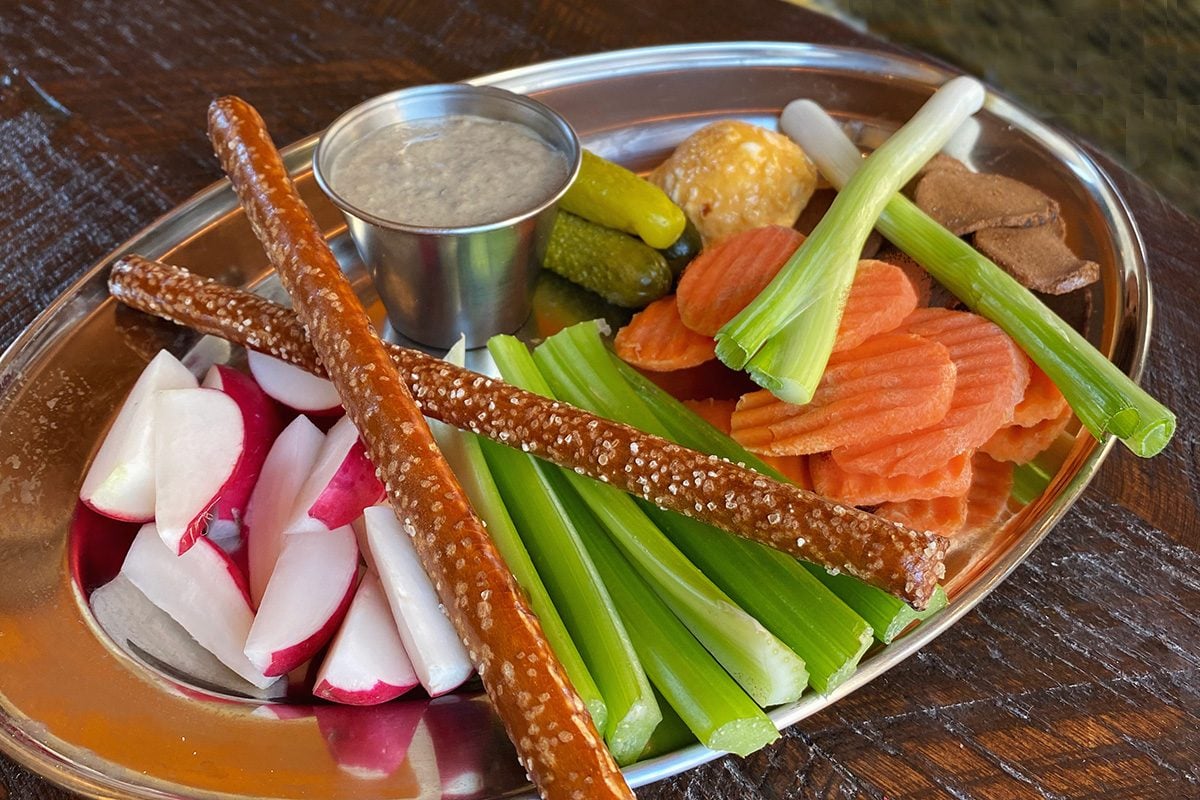
A working relish tray prioritizes access over symmetry. Brined items need walls. Fresh items need air. Everything needs to be reachable without dragging liquid across the surface.
Clear containers help guests understand what they are grabbing. Height helps when it does not block hands. Visual balance is secondary to function, even if people do not consciously notice that.
For restaurants and venues, durability and sanitation push many toward a professional appetizer tray supplier rather than decorative serveware.
Garnish and Utensils Are Not Decoration
Garnish should earn its space. Herbs can add aroma and fill gaps, but only if they do not interfere with serving. Utensils matter even more. Pickled foods require tools that handle moisture cleanly.
Guests may not comment on these details, but they feel them. A tray that is easy to use disappears faster than one that looks perfect but behaves poorly.
When Relish Trays Make Sense
Relish trays shine when meals are paced. Holiday dinners. Multi-course gatherings. Supper club service. They give guests something to do without demanding focus.
They also reduce pressure in the kitchen. Pickled items hold. Fresh elements can be added late. This predictability is why planners often rely on reusable appetizer trays for bulk buyers, where efficiency matters more than novelty.
Storage, Refilling, and Low Waste
Few appetizers handle leftovers as cleanly as a relish tray. Pickled foods go back to jars. Vegetables get refreshed. Waste stays manageable.
Many professional kitchens keep backup containers chilled and rotate them during service. That workflow directly influences products coming from a relish tray factory serving hospitality brands, where speed and cleanliness matter.
Modern Variations Without Losing the Point
International pickles slide naturally into the format. Korean, Japanese, Middle Eastern. The tray does not care where the brine comes from, as long as balance remains.
Budget versions focus on restraint. Premium versions focus on sourcing. In both cases, discipline keeps the tray from drifting into something else entirely.
Where Things Usually Go Wrong
Most failures come from excess. Too much brine. Too many strong flavors. Poor container choice. Soggy crackers. Visual clutter.
Another mistake is using serveware designed for dry foods. Experienced operators avoid this by working with an appetizer tray manufacturer for commercial use, where wet-food behavior is part of the design brief.
Why Relish Trays Still Show Up
Relish trays survive because they solve a quiet problem. They prepare the palate. They occupy time comfortably. They support the meal without competing for attention.
That practicality does not age. Which is why, long after trends move on, the relish tray keeps showing up, doing exactly what it was meant to do.