
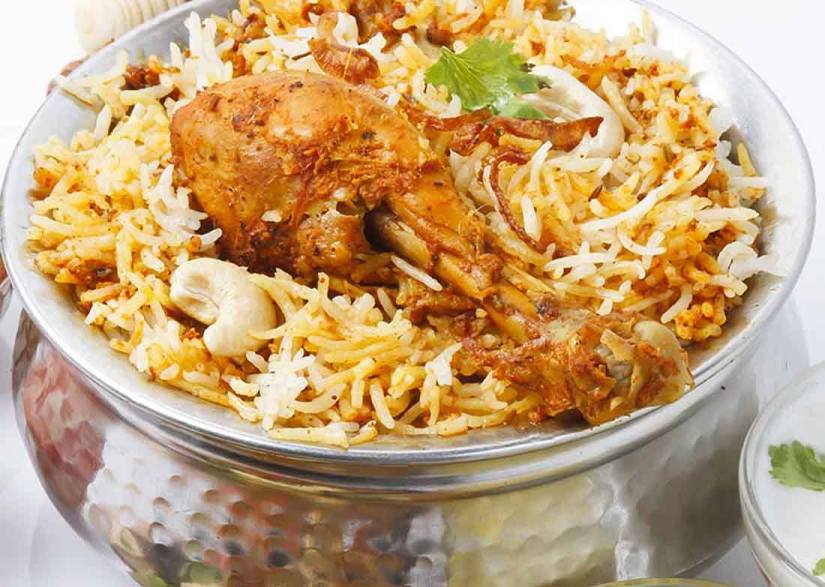
Trying to lose weight doesn’t automatically mean giving up the foods you grew up with. For many people, biryani sits in a category that feels untouchable during dieting—too rich, too filling, too easy to overeat. But weight loss rarely fails because of one specific dish. It usually fails because of how often that dish appears, how large the portions are, and what surrounds it.
A single bowl of biryani, eaten intentionally, doesn’t carry the same consequences as a restaurant platter eaten without thinking. The difference lies in structure, not restriction.
Understanding What’s Inside a Biryani Bowl

A biryani bowl is more than rice and meat layered together. Calories come from several quiet contributors working at once. The rice absorbs fat during cooking. Oils or ghee add flavor but also density. Garnishes like fried onions or nuts can double the energy load without changing how full you feel.
Chicken biryani bowls tend to land in a moderate range because protein helps slow digestion and extend satiety. Vegetable biryani bowls vary widely. When vegetables replace meat but oil stays the same, calorie counts often surprise people. Egg-based versions fall in between, while mutton biryani bowls are consistently the most difficult to fit into a calorie deficit.
This is why standardized portions matter. Many brands now work directly with a custom biryani bowl manufacturer to lock in predictable serving sizes instead of relying on visual guesswork.
Portion Size Is the Real Deal-Breaker
When people say they “only ate one bowl,” that bowl can mean very different things. A compact 200-gram biryani bowl can sit comfortably inside most weight-loss plans. A 400-gram serving starts to dominate the meal. At 600 grams, it often crowds out flexibility for the rest of the day.
Calorie targets change the equation. Someone eating 1,500 kcal daily has little margin for error. Someone closer to maintenance has more room. Timing also plays a role. A biryani bowl eaten earlier in the day is metabolically easier to manage than one eaten late at night after hours of sitting.
That’s why portion-controlled packaging has become standard in many meal programs. Working with an OEM biryani bowl supplier allows food brands to design bowls that feel satisfying without encouraging accidental overeating.
Choosing the Right Type of Biryani Bowl
Not all biryani bowls perform the same during weight loss. Vegetable biryani bowls often work best when oil is restrained and vegetables provide volume. Chicken biryani bowls offer better fullness due to higher protein content. Egg biryani bowls can be useful when portions are modest.
Mutton biryani bowls, while flavorful, are rarely ideal during active fat loss phases. Their richness makes portion control harder in practice. Seafood biryani bowls can be a reasonable alternative, but preparation methods vary too much to assume they are always lighter.
These differences are exactly why commercial kitchens often collaborate with a biryani bowl manufacturer to fine-tune rice-to-protein ratios instead of relying on traditional freehand methods.
Small Adjustments That Lower Calories Without Killing Flavor

Weight-loss-friendly biryani isn’t about removing what makes biryani enjoyable. It’s about shifting emphasis. Slightly less oil at the base reduces total calories more than most people expect. Increasing vegetables adds bulk and texture. Reducing rice by even a small amount changes the entire energy profile of the bowl.
Grain substitutions can help, but they aren’t mandatory. Many people succeed by keeping familiar basmati rice and focusing on quantity rather than novelty. Consistency beats perfection.
At scale, these decisions are easier to maintain when recipes are standardized. That’s why health-focused brands often partner with an ODM biryani bowl manufacturer to ensure every serving matches nutritional intent.
Making a Biryani Bowl Work Inside Your Daily Calories
Biryani fits best when it’s planned. In an 1,800-kcal day, a biryani bowl usually works well as lunch or an early dinner, with lighter meals built around it. When biryani becomes the centerpiece, the rest of the day should support it, not compete with it.
Activity levels matter. On low-movement days, portions need to be tighter. On active days, flexibility increases. This planning mindset is common in structured food programs designed for foodservice biryani bowl buyers, where consistency matters more than indulgence.
What You Eat With a Biryani Bowl Matters
Pairings can either help or hurt weight loss. High-fiber vegetables or a light salad slow digestion and improve fullness. Simple yogurt-based sides add protein without excessive calories.
What usually causes problems is stacking richness. Fried snacks, creamy sauces, or desserts push a controlled meal into excess. Even hydration plays a role. Eating a biryani bowl after drinking water often leads to naturally smaller portions.
Many modern meal concepts are built around this balance, often sourcing packaging from a biryani bowl packaging supplier that supports single-serve, balanced presentations.
Restaurant Biryani Bowls vs Home-Style Versions

Restaurant biryani bowls are designed to impress. Extra oil improves aroma and mouthfeel, but it also increases calories quickly. Portion sizes are rarely conservative, and “one bowl” can easily exceed daily targets.
Home-style biryani bowls offer control. You decide how much oil goes in and how large the serving is. Even when ordering takeout, splitting a portion or saving half changes outcomes significantly.
This difference explains why many ready-meal brands now emphasize home-style positioning and work closely with a portion-controlled biryani bowl factory rather than following restaurant norms.
Tracking Without Turning Food Into Math Homework
You don’t need laboratory precision to track biryani. Using consistent bowl sizes and honest estimates works for most people. One high-calorie meal doesn’t ruin progress. Overreacting often does.
Weight-loss plateaus are rarely caused by biryani itself. They usually come from frequency creep or portion inflation. People who succeed long term keep cultural foods in rotation instead of banning them outright.
That philosophy is increasingly reflected in product design, especially among brands sourcing from a reusable biryani bowl supplier focused on routine meals rather than short-term dieting.
Where Most People Go Wrong
Vegetable biryani bowls are often treated as unlimited, which leads to overeating. Others focus only on calories and ignore protein, resulting in hunger later. Some cut biryani entirely, only to binge weeks later.
Extreme fasting to compensate after eating biryani rarely works. Sustainable weight loss leaves room for enjoyment, not guilt.
Final Answer: Can Biryani Fit Into Weight Loss?
Yes. A biryani bowl can absolutely fit into a weight-loss plan—but only when portion size, preparation, and context are respected. Biryani isn’t incompatible with fat loss. Unstructured eating is.
When treated as a planned meal instead of an impulse, a biryani bowl becomes just another dish—not a setback.