
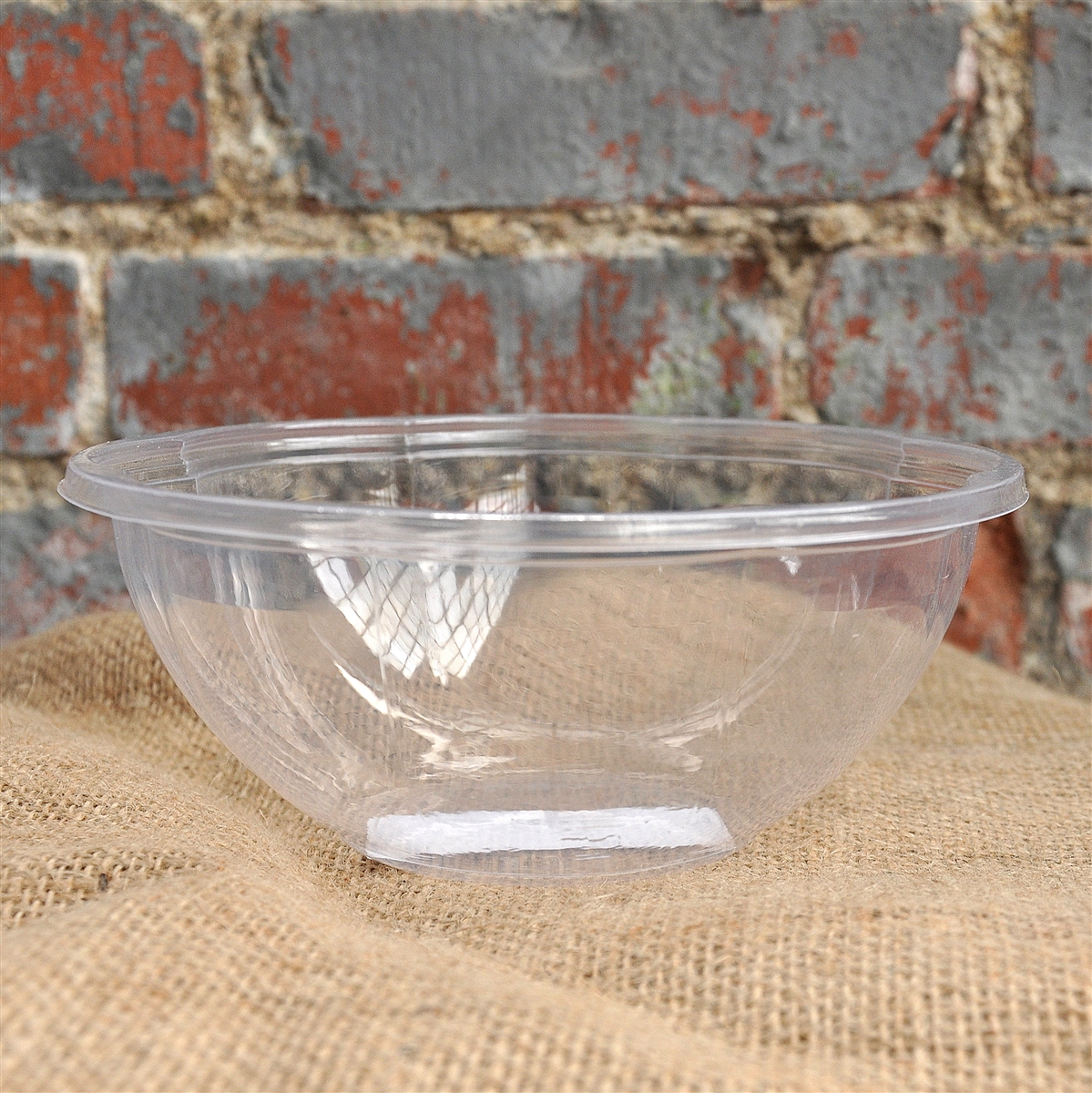
Sustainability in Malaysia is no longer just a buzzword found in corporate CSR reports; it has become a survival metric. As the government hammers out the details of the “Single-Use Plastics Roadmap 2022–2030,” the scramble for compliant materials is hitting the F&B sector hard. Polylactic Acid (PLA), derived from fermented plant starch, is leading the charge for cereal bowls. But here’s the reality: sourcing a durable PLA breakfast bowl factory partner in the Klang Valley involves more than just looking at a price tag. It’s about ensuring the product doesn’t warp under the Malaysian sun or fail the SIRIM compostability test.
1. Miniware: The Premium “Cassava” Tech from Hagi Baby

If you’re chasing the high-end retail crowd, Miniware is the undisputed heavyweight. They don’t just sell bowls; they sell a patented material science. Their “Avenue” collection uses a 40% starch-based PLA that is remarkably heat-resistant. While most bio-plastics melt into a puddle at 50°C, these withstand 140°C. They are the certified compostable cereal bowl supplier for eco-conscious retailers who can’t afford a product recall. Yes, RM100 per set is steep, but for parents obsessed with BPA-free safety, the peace of mind justifies the margin.
2. Green Eco Paradise: The Penang-Based Savior for SMEs
Not every cafe owner wants to buy 10,000 bowls just to test a new menu item. That’s where Green Eco Paradise wins. Based in Penang, they’ve positioned themselves as the go-to stocking distributor of PLA food containers in West Malaysia for small-batch buyers. Their MOQs are refreshingly low. If you’re running a Poke bowl pop-up in George Town and need 200 biodegradable cereal bowls by Tuesday, they usually have the stock ready to ship. No complex import paperwork, no 30-day lead times—just straightforward, local supply.
3. B Eco Packaging: The CPLA Specialists for Hot Congee
Standard PLA is great for cold granola, but pour hot Malaysian congee into it, and you’ve got a problem. B Eco Packaging solves this by focusing on CPLA (Crystallized PLA). This material is structurally reinforced to handle high temperatures. As a versatile PLA soup bowl factory partner for restaurant chains, they’ve optimized their design for stackability and lid-security. For high-volume takeaway joints in Kuala Lumpur, their bowls provide that crucial “snap-fit” that prevents messy spills during GrabFood deliveries.
4. Circlepac: Branding Beyond the Green Logo
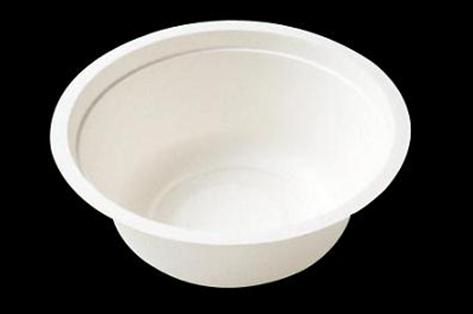
Circlepac is for the brand-conscious. They understand that in 2026, the packaging is the marketing. They offer a unique aesthetic—matte finishes and earthy tones that feel “expensive” to the touch. When you engage them as a private label PLA tableware developer for specialty cafes, you get access to their design consulting team. They can help you emboss your brand’s story directly onto the bowl using food-safe, soy-based inks. It’s the perfect move for wellness brands looking to justify a RM25 cereal bowl price point.
5. The Thai Connection: High-Volume Regional Sourcing
Look North. Thailand is currently the bio-plastic engine of Southeast Asia, thanks to its massive sugarcane and cassava industries. For Malaysian buyers moving massive volumes, the most logical step is to find Thailand-based biodegradable bowl exporters serving ASEAN markets. Because of the AFTA (ASEAN Free Trade Area) agreement, you’re looking at zero import duties. If your monthly requirement exceeds 50,000 units, the cost-per-unit drops significantly compared to buying from local middlemen. It’s a logistics play that pays off in the long run.
6. China-Based Giants: The OEM Powerhouse
When scale is your only priority, China is still the king. In provinces like Zhejiang, factories are churning out millions of units with surgical precision. If you are a multinational food brand, you’ll likely need a reputable China-based PLA bowl OEM for large-scale import. The secret is to demand TUV Austria “OK Compost” certifications up front. Don’t take their word for it; verify the certificate number. Shipping to Port Klang is efficient, and the sheer variety of molds—from 12oz snack bowls to massive 32oz cereal tubs—is unmatched.
7. EcoPack Malaysia: From CAD Drawing to Physical Bowl
Sometimes, the standard “off-the-shelf” bowl doesn’t fit your brand’s vision. EcoPack Malaysia fills this gap by offering end-to-end prototyping. They act as a custom PLA cereal bowl manufacturer for bespoke packaging projects, taking you from a digital design to a physical sample in record time. This is critical for meal-kit companies that need specific compartment dividers or unique bowl depths. They handle the technical heavy lifting of mold pressure and wall thickness, so your custom bowl doesn’t just look good—it performs.
8. Bamboo-Starch Hybrids: The Durable Middle Ground
Not every “eco” bowl needs to be single-use. Some of the most popular items on Motherhood.com.my are actually hybrids—bamboo fiber bound by a PLA resin. If your business model involves school canteens or childcare centers, you should look for a durable bio-composite cereal bowl wholesaler in Kuala Lumpur. These aren’t meant to be thrown away after one meal; they can go through an industrial dishwasher 500 times. It’s a different kind of sustainability—one based on longevity rather than rapid decomposition.
How to Dodge the “Greenwashing” Trap

Don’t just trust a “biodegradable” sticker. In the Malaysian sun, some plastics just break down into microplastics—that’s not composting. Ask your supplier these three questions:
-
“Can you provide the SIRIM Eco-Label certification for this specific SKU?”
-
“Is the heat distortion temperature (HDT) tested for 60°C or higher?”
-
“What is the actual percentage of PLA versus calcium carbonate fillers?”
Verdict: Which Supplier Wins?
If you’re a small cafe, Green Eco Paradise is your best bet for speed. If you’re a major brand aiming for a national rollout, the Thai-import route offers the best balance of cost and carbon footprint. Sourcing PLA isn’t just about saving the planet—it’s about future-proofing your business against the next wave of Malaysian environmental regulations.