
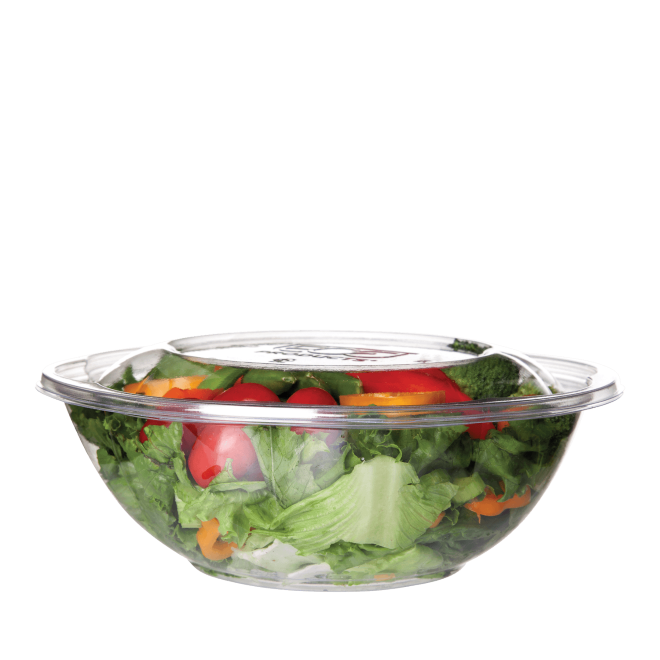
If you talk to UK foodservice buyers long enough, you start hearing the same sentence phrased different ways: “We want compostable, but we can’t afford supply issues.” That tension explains why PLA salad bowls are gaining traction while also frustrating procurement teams. On paper, PLA looks simple. In reality, sourcing it responsibly in the UK is anything but.
The biggest misconception is assuming that “UK supplier” automatically means “UK factory.” It rarely does. What actually matters is whether the company controls specifications, certifications, and long-term supply. The five factories below are not identical, not interchangeable, and not perfect. But they are the most realistic options for UK buyers who need certified PLA salad bowls without exposing themselves to compliance or continuity risk.
What “Premium” Really Means When You Buy PLA Salad Bowls in the UK
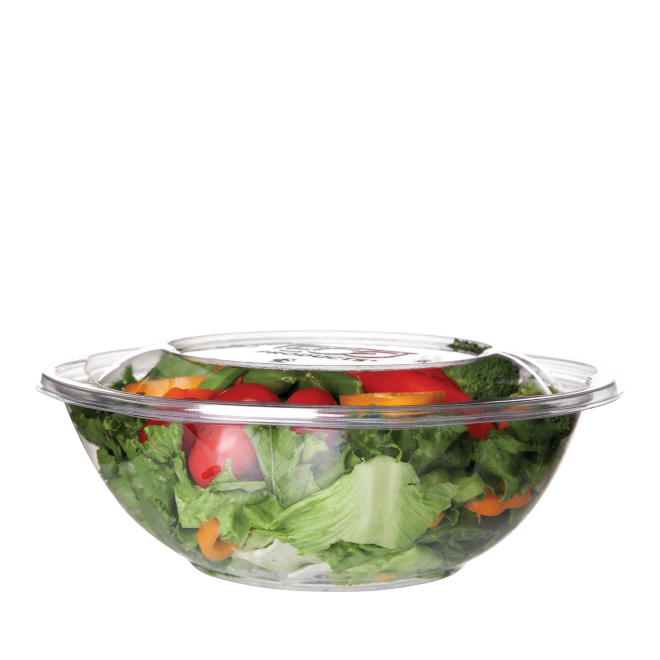
Premium, in this category, has nothing to do with design awards. It usually shows up when something goes wrong. A premium factory can explain exactly which PLA resin is used, which certification applies to which SKU, and why a bowl is approved for cold food but not hot filling. If a supplier cannot answer those questions quickly, it is not operating at factory level.
For buyers planning repeat orders, working with a custom compostable PLA salad bowl manufacturer often becomes a risk-control decision rather than a branding one. Factories that own their specifications are far more capable of adapting when composting rules, audits, or retailer requirements change mid-contract.
Why Factory Control Matters More Than Price
Many UK businesses initially choose compostable bowls based on unit cost. Problems tend to appear later: rejected loads, missing paperwork, or bowls that technically compost but are not accepted by local facilities. These issues almost always trace back to fragmented supply chains.
A supplier acting as an OEM PLA salad bowl factory can absorb those shocks better. They usually have direct testing data, clearer liability boundaries, and fewer surprises when volumes scale. Over time, that stability often offsets a higher upfront price.
Factory 1: Vegware
Vegware is often the first name UK buyers encounter, and for good reason. Its strength is not just product range but institutional familiarity. Many composting operators, universities, and contract caterers already recognise Vegware SKUs, which lowers friction during audits.
From a sourcing perspective, Vegware behaves like a PLA salad bowl manufacturer for wholesale foodservice buyers, even though production itself is not entirely UK-based. Design control, certification ownership, and market alignment sit firmly in the UK. The bowls perform reliably for cold applications, and documentation is rarely questioned. The downside is cost sensitivity. For smaller operators, Vegware can feel expensive, but for risk-averse procurement teams, that premium often buys peace of mind.
Factory 2: BioPak
BioPak approaches the UK market with a global mindset. It manufactures at scale and supports British buyers through local infrastructure. Where Vegware is conservative and UK-centric, BioPak is broader and more flexible in format.
For chains evaluating a private label PLA salad bowl supplier for multi-site operations, BioPak’s consistency across regions becomes a real advantage. Pricing improves noticeably at volume, and sustainability reporting is structured in a way that corporate teams appreciate. The trade-off is that BioPak expects commitment. Very small trial orders are not its strong suit.
Factory 3: Eco-Products
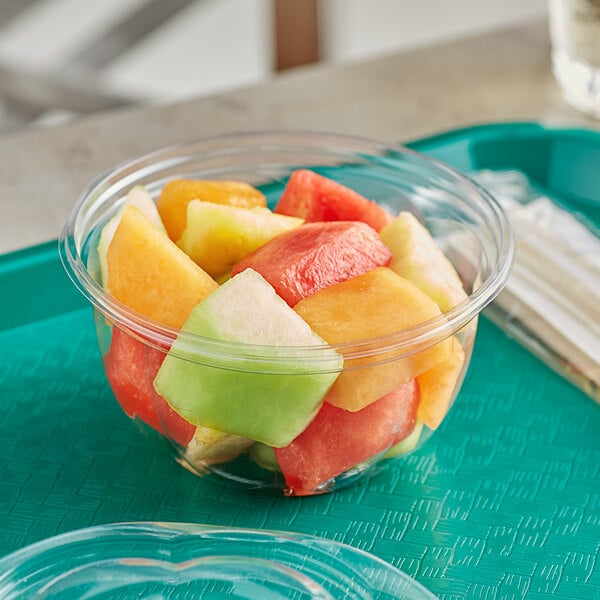
Eco-Products is less visible in the UK but highly respected by buyers who care about material performance. Its PLA bowls are particularly well suited to chilled retail displays, where clarity and rigidity influence sales as much as sustainability claims.
Sourcing through authorised channels makes Eco-Products viable as a PLA salad bowl supplier for bulk cold-food programmes, but not for urgent restocking. Lead times and logistics require planning. Buyers who treat packaging as part of a long-term SKU strategy tend to get the most value here.
Factory 4: Duni Group
Duni Group rarely markets itself aggressively in the PLA space, yet it appears repeatedly in professional catering contracts. Its advantage is predictability. European manufacturing standards, consistent compliance documentation, and steady supply define its offer.
For organisations seeking a factory-direct compostable salad bowl manufacturer for corporate catering, Duni fits best where packaging is standardised rather than experimental. Customisation exists, but it is structured and deliberate, not reactive.
Factory 5: Huhtamaki
Huhtamaki operates on a different scale entirely. It supplies packaging as part of long-term procurement strategies rather than transactional orders. For most small businesses, Huhtamaki is inaccessible. For large retailers, it is often unavoidable.
As an industrial-scale PLA salad bowl factory for high-volume contracts, Huhtamaki excels in supply security and regulatory preparedness. Buyers working at national or international level often choose Huhtamaki precisely because it removes operational uncertainty, even if flexibility is limited.
How Buyers Should Read This List
There is no universally “best” factory here. Independent cafés often prioritise availability and manageable order sizes. National caterers prioritise audit alignment. Retailers care about presentation and shelf performance. The right PLA salad bowl manufacturer for professional buyers depends on which risk you are trying to minimise: cost, compliance, or continuity.
Checking Compostability Claims Before You Sign Anything

UK buyers should never rely on brand-level claims alone. Certifications apply to specific products, not entire catalogues. Asking for test reports, Declarations of Compliance, and resin sourcing details is standard practice when dealing with a certified compostable packaging factory serving UK food businesses. Any hesitation at this stage is usually a warning sign.
Why PLA Salad Bowls Still Make Commercial Sense in the UK
PLA salad bowls are not the cheapest option. They are also not a trend. Between plastic taxes, EPR reporting, and buyer pressure from retailers, compostable packaging is becoming part of baseline compliance. For many food businesses, the question is no longer whether to switch, but which supplier can support that switch without creating new operational risks.
For UK buyers willing to work at factory level rather than chasing the lowest price, the five suppliers above represent the most credible paths forward today.