
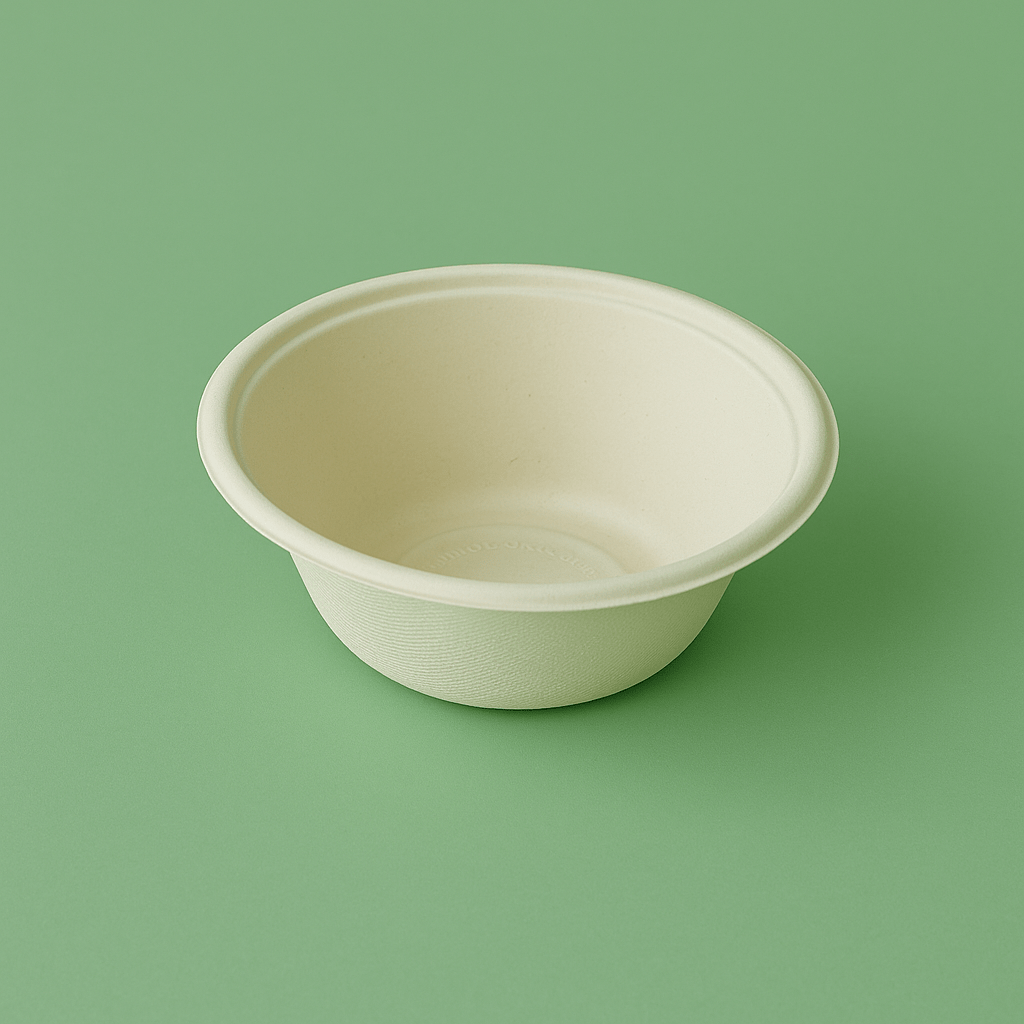
The global food service landscape is currently navigating a high-stakes pivot toward circular economy models, placing the humble cereal bowl at the heart of a massive material overhaul. As procurement teams move away from the “legacy” expanded polystyrene (EPS) and petroleum-based plastics, high-performance plant fibers have moved from a niche alternative to a central requirement. Sugarcane bagasse—the fibrous byproduct of sugar refining—is now the undisputed gold standard for disposables. For B2B buyers, however, sourcing from China in 2026 requires more than a simple price check; it demands a forensic look at fiber density, PFAS-free chemistry, and factory-scale reliability. This guide breaks down the top partners for those needing a certified sugarcane bagasse cereal bowl factory capable of sustaining global supply chains.
Why Bagasse is Dominating the 2026 Sustainable Market

Bagasse isn’t just “paper.” It is the residue left after crushing sugarcane stalks. Unlike timber, which takes decades to grow, sugarcane is a rapid-cycle crop. When these fibers are pulped, they possess a naturally interlocking physical structure that creates a rigid substrate without requiring heavy chemical binders. Under industrial composting conditions, these bowls vanish within 60 to 90 days, leaving zero microplastics behind.
In the cereal bowl category, bagasse offers a thermal resilience that standard paper cannot match. It handles 100°C water and 120°C oil with ease, which is vital for both ice-cold milk and boiling oatmeal. Crucially, its leak-proof properties come from mechanical high-pressure molding rather than plastic films. This ensures the product stays “PFAS-free,” a non-negotiable trait for entering the North American and EU markets today. Current data shows bagasse production emits roughly 60% less carbon than traditional plastics, a win for any corporate ESG ledger.
The Engineering Hurdles of Cereal Bowl Production

Manufacturing a deep bowl is significantly harder than pressing a flat plate. The primary technical risk is “bottom-softening.” If the pulp density is inconsistent, the bowl becomes spongy after 15 minutes of liquid contact. High-tier buyers must therefore vet for a premium sugarcane bagasse bowl supplier for bulk orders that utilizes advanced vacuum-forming technology.
Standard bowls require a precise wall thickness—usually between 0.5mm and 0.8mm—to prevent moisture migration. There is also the “scent” factor. Lower-end factories often cut costs by mixing in recycled cardboard or using aggressive bleaching agents, which results in a “wet paper” smell when the bowl hits hot food. Premium Chinese exporters have refined their precision molding to ensure a smooth, non-absorbent interior that feels as solid as ceramic.
Top 8 Manufacturers for 2026 Sourcing
Based on 2025-2026 export data and technical audits, these eight players represent the best of the Chinese manufacturing landscape.
ZS (Zhongxin) Packing remains the heavy hitter in Zhejiang. Their facility is almost entirely automated, churning out over 2 billion units annually. Because they offer the tightest tolerances for high-volume retail contracts, they are the go-to high-volume bagasse cereal bowl factory for global distributors.
GangXuan Eco-Pack plays a different game by sitting right in the heart of Guangxi’s sugar country. By piping raw pulp directly from the mills to the molding machines, they slash logistics costs and carbon footprints simultaneously. This vertical integration makes them a notoriously competitive sugarcane bagasse bowl wholesaler in China.
Xiamen Bioleader focuses on the “boutique-at-scale” model. They are the specialists for OEM/ODM bagasse cereal bowl services for brand owners, offering intricate custom embossing and custom color pulps. Their 12oz “grab-and-go” bowls are currently a staple in several major US coffee chains.
Hefei Craft Tableware is a veteran listed company that excels in “heavy-duty” specs. Their bowls use a higher fiber-to-water ratio during the molding phase, resulting in a rock-solid finish. They are currently the top heavy-duty bagasse cereal bowl manufacturer for institutional catering, specifically for the high-impact environments of hospitals and schools.
MVI ECOPACK, headquartered in Suzhou, has mastered the “natural” aesthetic. They lead the market in unbleached, wheat-colored fibers that appeal to the organic food sector. This makes them a preferred unbleached bagasse cereal bowl supplier for eco-conscious retailers who want the packaging to tell a sustainability story at first glance.
Guangzhou Huahao is the technical choice for food processors. Their bowls are engineered with ultra-flat rims, a necessity for automated heat-sealing. For those in the pre-packaged meal sector, Huahao is the ideal heat-sealable bagasse bowl factory for pre-packaged meals, ensuring a perfect seal every time.
Shenglin Packaging offers the most diverse SKU list in the industry. They specialize in “full-set” solutions, providing matching bagasse lids and compostable cutlery in one shipment. They function as a highly efficient one-stop bagasse cereal bowl manufacturer for wholesale buyers, allowing for mixed-product containers that significantly lower warehouse overhead for mid-sized importers.
Sincere EcoTech has built its reputation on regulatory foresight. They were among the first to fully purge PFAS from their lines and provide the specific paperwork required for the EU’s Single-Use Plastics Directive (SUPD). They are widely considered the most EU-compliant bagasse cereal bowl factory for European importers.
Sampling and Quality Verification
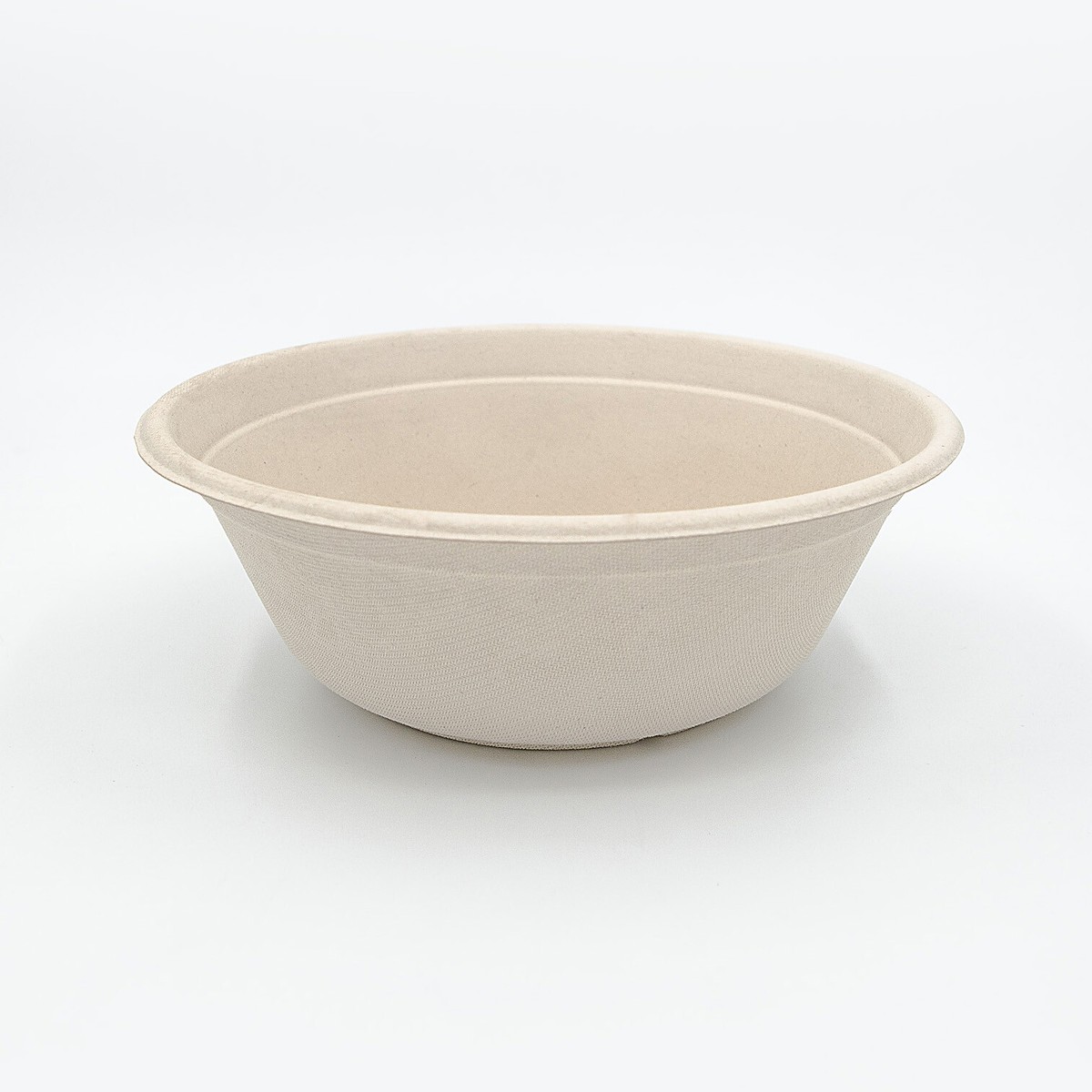
Never sign a container-load contract without a “Stress Test” of production-run samples. Fill the bowl with boiling water and let it sit for 10 minutes, then immediately swap it for ice-cold milk. This forces the fiber bonds to expand and contract rapidly, revealing any latent cracking or delamination issues.
Additionally, perform a “Stacking Compression Test” in a high-humidity room. Bagasse is hygroscopic; if the density isn’t high enough, the bottom bowls in a pallet will collapse during the 30-day sea voyage through the tropics. Ensure your factory partner guarantees an AQL (Acceptable Quality Limit) of under 0.5% before the goods leave the port.
Navigating the 2026 Regulatory Landscape
The era of “greenwashing” is over. With the EU’s updated SUPD and new US state laws, “compostable” claims must now be backed by forensic-level documentation. Choosing a top-tier Chinese manufacturer is no longer just about the unit price; it’s about securing a partner who understands the legal gatekeeping of international customs. In the 2026 economy, high-quality sugarcane bagasse isn’t just a “nice-to-have”—it is a critical hedge against the rising costs of plastic taxes and environmental non-compliance.