
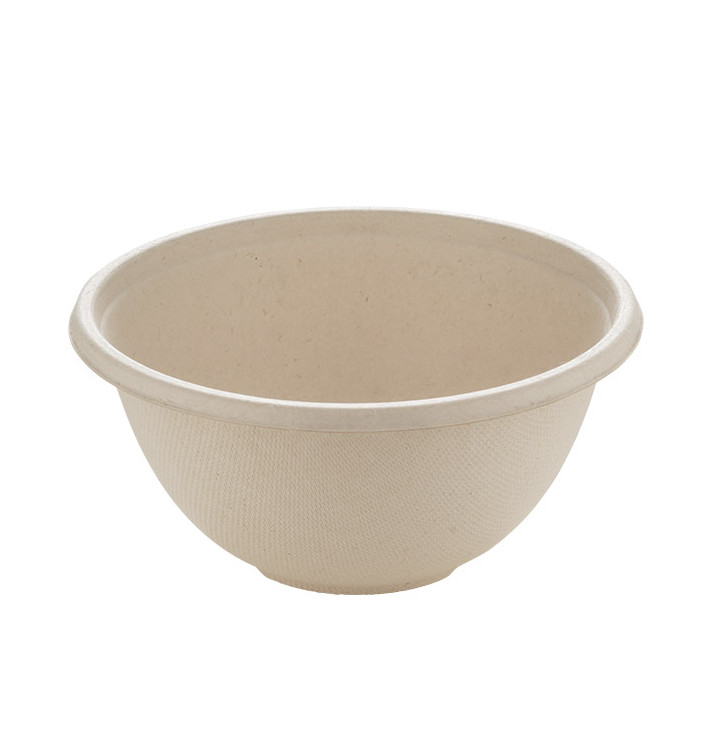
Sushi Packaging in Europe Is No Longer a Material Question
For many European buyers, sushi packaging used to sit quietly in the background. Taste and sourcing were the visible priorities, while containers were expected to perform without discussion. That balance has shifted. Cold-chain logistics, waste regulation, and customer scrutiny have turned sushi bowls into a compliance-sensitive item rather than a neutral accessory.
Plastic bowls still circulate, but they increasingly feel like a temporary fix. Sugarcane bagasse bowls are being adopted not because they are fashionable, but because they create fewer downstream problems. In procurement conversations, they are now framed less as a sustainability upgrade and more as a way to reduce regulatory and operational risk.
Why Bagasse Performs Differently in Sushi Applications
Bagasse is often described simply as sugarcane waste, yet that label misses why it works particularly well for sushi. Its fiber structure absorbs and redistributes moisture instead of trapping it at the surface. In practice, rice remains intact longer, oils do not pool, and the container holds its shape even after hours in refrigeration.
PLA and coated paper can perform adequately with hot food, but sushi exposes their weaknesses. Condensation, acidity, and extended holding times quickly reveal material limits. Buyers who test packaging under real service conditions tend to narrow their options quickly, often arriving at bagasse through experience rather than theory.
Sustainability in Europe Is Defined After Disposal
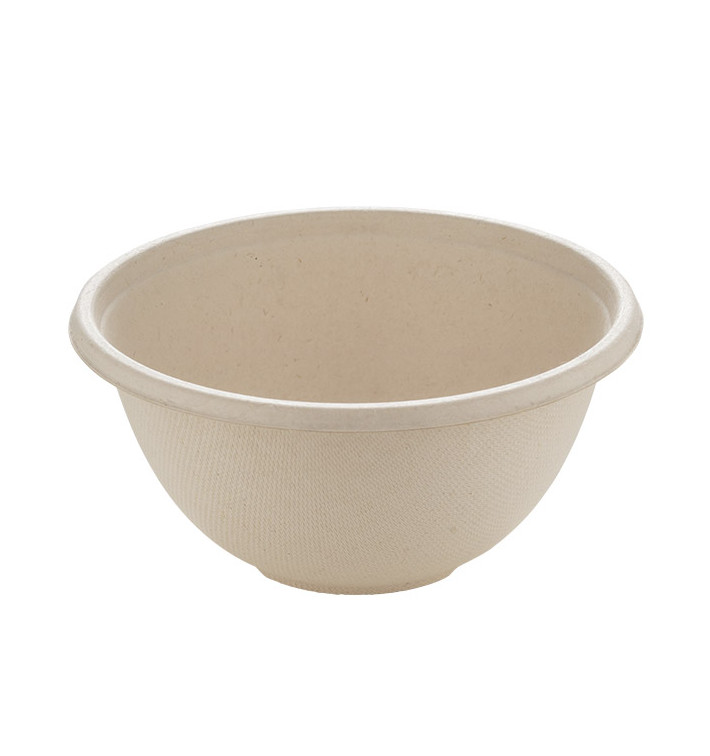
In the European market, sustainability is judged at the point of disposal, not at the checkout counter. Most sushi packaging enters centralized waste streams. If a bowl cannot be processed through industrial composting systems, it becomes contamination rather than compost.
This is why EN13432 certification carries real weight. It signals compatibility with existing infrastructure. From a sourcing perspective, working with a certified sugarcane sushi bowl supplier aligned with EU waste standards is not a branding exercise. It is a practical safeguard against rejected waste loads and compliance disputes that surface long after purchase.
Certification Fatigue and What Buyers Actually Rely On
Suppliers often promote long lists of certifications, yet buyers rarely use all of them. What matters is clarity and relevance. EN13432 documents must correspond to the exact SKU being shipped. Food contact declarations must reflect cold, acidic foods, not generic use cases.
Suppliers that understand how these documents are reviewed tend to move through approval processes faster. Those that do not often stall procurement timelines. This is why many buyers gravitate toward a biodegradable sushi bowl manufacturer experienced in EU audit requirements, even if alternatives appear cheaper on paper.
1. Bioleader®: Chosen for Predictability, Not Hype
Among international manufacturers, Bioleader is frequently selected by European buyers who value consistency. Its sugarcane sushi bowls are engineered for cold and wet foods, maintaining structural stability across refrigeration, delivery, and disposal.
Bioleader is often engaged as a sugarcane sushi bowl manufacturer supporting OEM production programs, particularly when buyers need packaging alignment across multiple markets. The ability to adjust dimensions, branding, and lid compatibility without altering the base material reduces operational friction over time.
2. Luzhou Pack and the Logic of Certification-First Sourcing
For buyers operating in certification-sensitive regions, Luzhou Pack fits a documentation-driven sourcing approach. Its bagasse bowls are positioned for sushi and cold food service and supported by certifications that resonate with European distributors.
Luzhou Pack is commonly viewed as a compostable sushi packaging factory serving European distribution channels, where regulatory alignment outweighs design differentiation. This approach suits standardized product portfolios sold across multiple customer accounts.
3. BePulp via Monouso: When Speed Matters More Than Customization

Not every buyer wants to manage overseas production. BePulp products distributed through Monouso address a different need: availability. Their sugarcane bowls are stocked within the EU, reducing lead times and eliminating import complexity.
Although not designed exclusively for sushi, certain formats have proven workable in practice. For smaller operators, BePulp functions as a ready-availability sugarcane sushi bowl supplier for regional foodservice buyers, especially when simplicity matters more than customization.
4. Biofutura and the Value of Local Distribution
European distributors play a key role in simplifying procurement. Biofutura positions itself as a sustainability-focused partner rather than a manufacturer.
Its sugarcane bowl range supports sushi and other cold food uses, backed by EN13432 certification and local customer support. Biofutura is often selected as a European compostable bowl supplier for foodservice chains, where continuity of supply is prioritized over factory-level flexibility.
5. Ever Green Packaging and Retail-Oriented Sushi Presentation
Retail sushi introduces different constraints. Visibility, condensation control, and stacking stability become central concerns. Ever Green Packaging addresses this niche through fiber-based trays paired with clear anti-fog lids.
These products are best understood as part of a system rather than a standalone bowl. Many buyers treat Ever Green as a specialized sushi tray manufacturer focused on chilled retail formats, complementing bowl suppliers used for takeaway and delivery.
6. Sincere Packing and Structural Demands of Premium Menus
Some sushi concepts are heavier by design. Large portions, layered ingredients, and sauces place greater stress on packaging. Sincere Packing focuses on deeper, more rigid bagasse bowls designed to maintain shape under load.
Buyers sourcing from Sincere Packing often regard it as a heavy-duty sugarcane sushi bowl factory for premium takeaway brands, where container performance directly affects perceived food quality.
7. Vegware: Familiar Territory for Risk-Averse Buyers

For organizations with strict internal approval processes, Vegware remains a familiar option. Its sugarcane-based bowls are suitable for cold food service and supported by extensive compliance documentation.
Vegware is often chosen as a UK-based compostable sushi bowl supplier for institutional buyers, particularly where governance structures favor established brands over emerging manufacturers.
8. Duni: Established European Option for Large-Scale Foodservice
Duni appeals to buyers managing multi-country operations. Its sugarcane bowl offerings are supported by strong brand recognition, regulatory familiarity, and broad distribution networks.
Duni is frequently selected as a trusted European sugarcane sushi bowl supplier for cross-border foodservice operations, even when unit costs exceed those of direct manufacturers.
How Buyers Actually Narrow Their Shortlist
In practice, supplier selection rarely follows a neat checklist. Buyers test bowls under refrigeration, stack filled containers, and observe deformation over time. Certification files are requested early, and supplier responsiveness becomes part of the evaluation.
Some organizations work with a custom sushi bowl supplier offering ODM development for private labels to build differentiation. Others prioritize distributors that can replenish stock quickly. The right decision depends on scale, risk tolerance, and internal resources.
A Realistic View of the European Market
Sugarcane bagasse sushi bowls are no longer experimental. They have become a default choice because they fit both regulatory frameworks and operational realities in Europe. The suppliers discussed here represent different responses to the same challenge: packaging sushi in a way that works before and after disposal.
For European buyers, the objective is not perfection. It is consistency.