
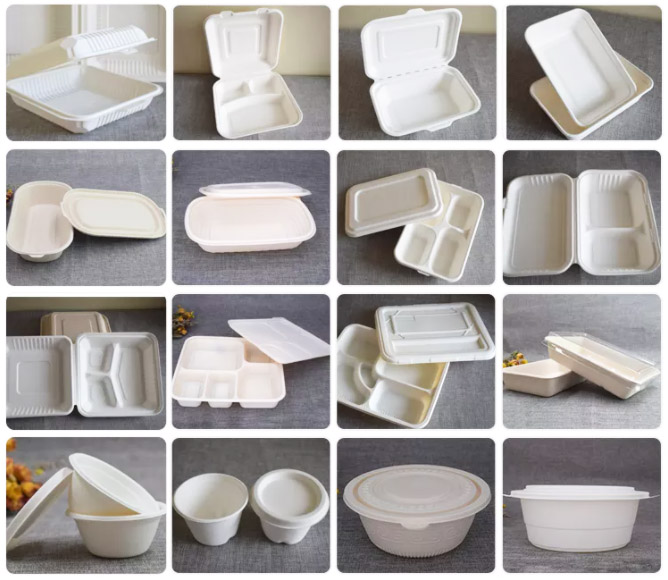
For companies operating in fresh produce packaging, the discussion around sustainability has gradually shifted away from concepts and commitments toward execution. In many export-driven vegetable supply chains, the choice of packaging materials is now closely tied to regulatory access, composting infrastructure availability, and the expectations of downstream retailers.
PLA veggie trays have gained traction in this environment not because they are universally superior, but because they fit within existing industrial composting systems in several major markets. That said, not all PLA trays perform or scale in the same way. Differences in material formulation, manufacturing control, and commercial policies can significantly affect long-term sourcing outcomes.
The manufacturers reviewed below are active participants in global PLA veggie tray supply. The focus here is not branding, but how each supplier operates in real procurement scenarios.
1. YITO Pack (China)
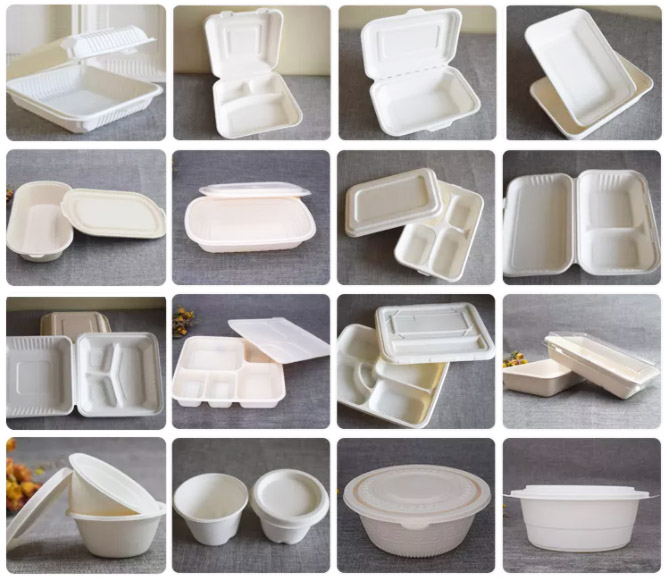
YITO Pack represents a typical large-scale Asian manufacturer with a strong emphasis on export production. The company entered the compostable packaging field more than two decades ago and has since expanded its operations around automated thermoforming equipment designed for consistent, high-volume output.
Its PLA veggie tray range is structured to accommodate multiple retail formats. Smaller trays are commonly used for cut vegetables or single-serve produce, while larger formats support bulk-packed vegetables intended for secondary handling or redistribution. Structural rigidity is addressed through tray geometry rather than excessive material thickness, which helps reduce deformation during stacking and cold storage.
Transparency levels are not fixed. Depending on the application, customers can specify different clarity and thickness combinations, allowing trays to meet merchandising requirements without compromising load performance. This flexibility is often relevant for private-label programs where shelf presentation standards differ between markets.
From a raw material perspective, YITO primarily works with certified corn-based PLA resins. Fiber-based materials, including sugarcane bagasse and bamboo fiber, are integrated into selected product lines when opacity or increased stiffness is required. Under controlled industrial composting conditions, most PLA trays complete degradation within a three- to four-month window, aligning with EN13432 parameters.
The company supplies clients across North America, Europe, and Asia-Pacific. Its customer base includes produce exporters, food processors, and retailers managing multiple SKUs. Compared with brand-driven suppliers, YITO typically offers more adaptable MOQ thresholds and tooling options, which can support phased launches or regional customization.
2. Eco-Products (USA)
Eco-Products has been involved in compostable food packaging in the United States since the early stages of market adoption. Its PLA veggie trays are developed primarily for retail produce environments rather than foodservice applications, with design choices reflecting shelf presentation and standardized sizing.
Certification coverage is a defining aspect of the company’s offering. PLA trays are verified under BPI, CMA, and ASTM D6400, ensuring compatibility with industrial composting facilities operating under U.S. standards. In procurement terms, this certification clarity often simplifies compliance discussions with retailers and waste management partners.
Cost comparisons between PLA and conventional plastic trays remain relevant, but Eco-Products’ customers typically evaluate pricing within a broader sustainability framework. For many grocery chains and organic brands, packaging decisions are influenced by corporate mandates or local regulations rather than unit price alone.
Distribution is handled through an established network that supports availability beyond the U.S. market, including Europe and selected Asia-Pacific regions. Customization options are more limited compared with OEM-style manufacturers, but supply stability and documentation transparency are key reasons buyers continue to source from Eco-Products.
3. Vegware (UK)

Vegware operates within a European market environment where compostability standards and waste separation practices are relatively mature. Its experience across foodservice, institutional catering, and retail channels has shaped how its PLA veggie trays are specified.
Temperature behavior is a central consideration. Vegware’s trays are designed to remain stable throughout chilled distribution, typically tolerating conditions between -5°C and +40°C. This performance range supports use in vegetable cold chains where products may move between refrigerated storage, transport, and ambient handling.
Compliance with EN13432 is integral to Vegware’s portfolio, supplemented by additional certifications for non-European destinations. Rather than treating compostability as a product-only issue, the company invests in education programs and collaborates with commercial composting operators to improve end-of-life outcomes.
Exports beyond the EU have increased steadily as global demand for certified compostable packaging expands. Pricing generally reflects a mid-range positioning, with structured discounts for bulk purchasing and a defined sampling process to support procurement evaluation.
4. World Centric (USA)
World Centric approaches packaging supply through a social enterprise model, combining commercial sales with broader environmental initiatives. Its veggie tray assortment includes both PLA and sugarcane bagasse options, giving buyers flexibility depending on appearance preferences or composting system compatibility.
All compostable products are subjected to third-party testing, ensuring alignment with recognized standards. World Centric has achieved strong uptake within organic and natural food retail segments, where sustainability credentials frequently influence supplier selection.
Logistics considerations form part of the company’s sustainability strategy. Tray designs emphasize shipping efficiency to reduce transport-related emissions, particularly for international orders. Relatively low MOQs and introductory pricing structures make World Centric accessible for smaller buyers or pilot projects.
5. Genpak – Compostable Line (USA)

Genpak’s compostable offerings sit alongside a broader portfolio of conventional foodservice packaging products. While compostable trays account for a smaller share of total output, ongoing investment in material development supports gradual performance improvements.
In addition to PLA trays, Genpak supplies solutions combining PLA with recycled PET, addressing scenarios where full compostability may not meet functional or economic requirements. ISO 9001 quality management systems are applied across production, supporting consistent forming and sealing characteristics.
With manufacturing and distribution concentrated in the United States, Genpak is positioned to offer short lead times and stable inventory for domestic customers. Its value proposition is strongest in customized programs for large restaurant chains and retail operators that require technical coordination and predictable delivery.
Selecting a PLA Veggie Tray Supplier: Practical Considerations
Supplier evaluation typically begins with certification alignment. Compostability standards differ by region, and mismatches can limit market access. Buyers should verify that certifications correspond directly to target sales markets rather than assuming universal acceptance.
Performance testing should reflect real distribution conditions, including cold exposure, stacking pressure, and handling frequency. Beyond product characteristics, operational factors such as production capacity, lead time consistency, and inventory planning influence sourcing reliability.
Total cost assessments are more effective when they extend beyond unit pricing to include logistics, duties, certification maintenance, and waste management implications. Post-sale support—particularly how quality issues are handled—often determines whether a supplier can support long-term programs.
Verifying Sustainability Claims for PLA Veggie Trays
International certifications including BPI, TÜV, DIN CERTCO, and AS 4736 define compostability under industrial conditions. These should not be confused with home composting claims, as PLA materials typically require controlled environments to break down effectively.
Lifecycle assessments provide additional insight by examining emissions from feedstock cultivation through end-of-life processing. Buyers are increasingly expected to verify sustainability claims with documentation rather than relying on generalized “biodegradable” statements.
Closing Notes
PLA veggie trays have become a practical packaging option within many fresh produce supply chains. Selecting the right supplier depends less on headline claims and more on manufacturing control, certification relevance, and commercial alignment. For buyers operating across regions, a structured evaluation of these factors can support both regulatory compliance and operational continuity.