
Most people don’t consciously choose between a relish tray and a veggie tray. They react to whatever is placed in front of them. A hand reaches out, pauses for half a second, and either grabs a carrot stick or a small pickle. That tiny hesitation says more about the difference between these trays than any formal definition ever could.
On paper, both trays fall into the same category. They arrive early, they are meant for sharing, and they disappear quietly once the main food takes over. In reality, they behave very differently. Those differences start to matter the moment food is prepared at scale, timing becomes tight, and someone has to source containers from a custom food tray manufacturer instead of assembling things casually at home.
What Is a Relish Tray?

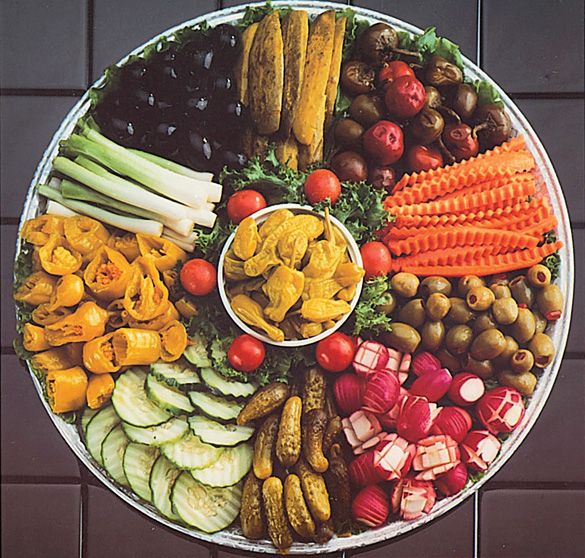
A relish tray makes sense once you stop thinking of it as a snack and start thinking of it as a signal. Historically, it showed up before the meal not to fill people up, but to change how their mouth felt. Pickled vegetables, olives, and marinated items were sharp on purpose. They were meant to wake people up.
That role still exists, even if the reason has changed. A modern relish tray is built around foods that have already been transformed. Salt, vinegar, oil, and time have done most of the work. The flavors are concentrated, sometimes even confrontational, and that is exactly the point.
The structure of the tray reflects this intensity. Items are rarely mixed. Liquids are contained. Everything has its own space. This is not about being neat; it is about control. Anyone who has dealt with leaking brine understands why large events rely on formats developed by an OEM relish tray supplier that treats separation as a functional requirement, not a design preference.
Relish trays also encourage restraint. People take small portions. They pause. They talk. Then they come back later. The tray is present without demanding attention.
What Is a Veggie Tray (Crudités)?
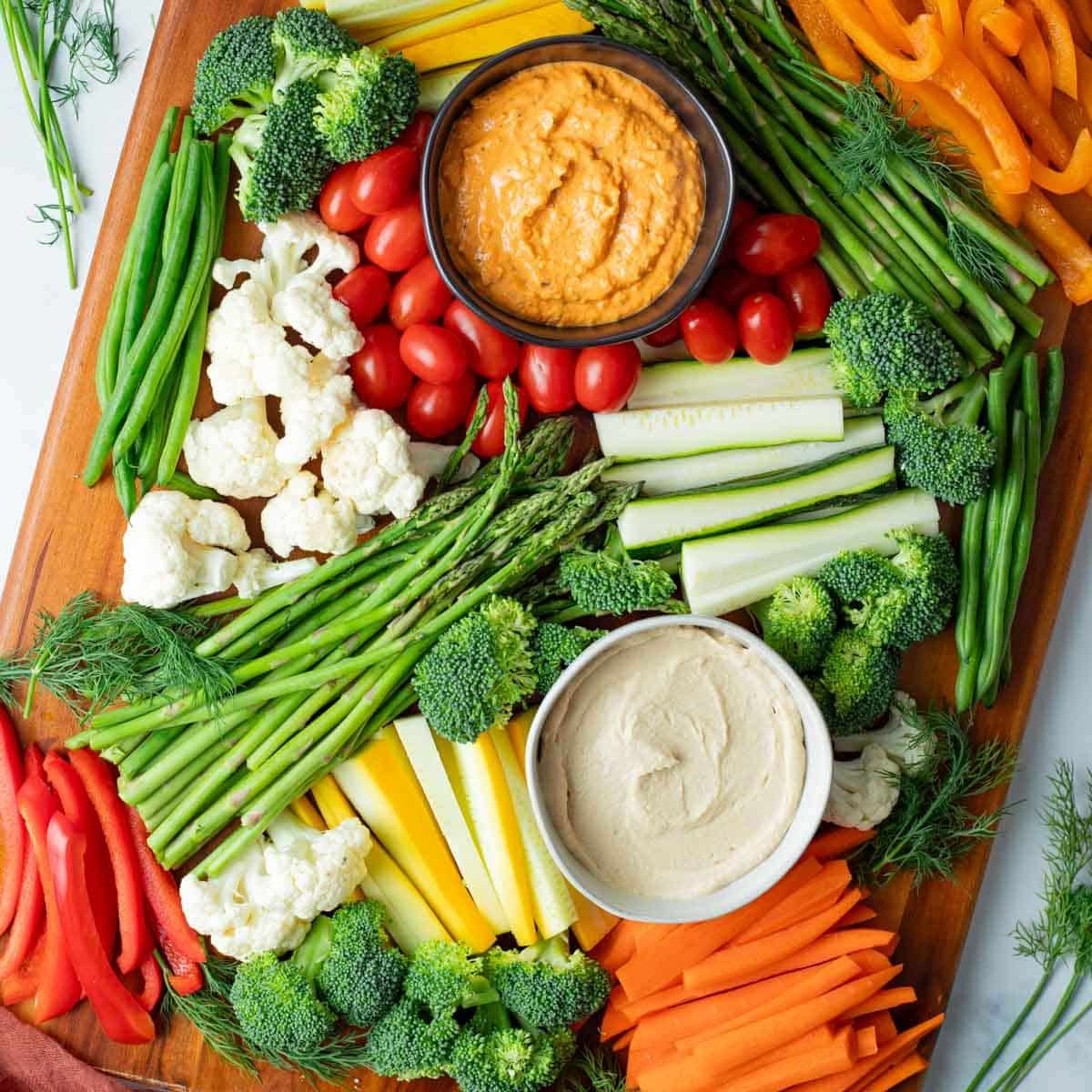
Veggie trays operate on almost the opposite logic. They are not about transformation; they are about immediacy. The vegetables are still raw, still recognizable, and still doing most of the talking themselves.
Crudités work because they are obvious. No one needs context to eat a cucumber slice. That simplicity is what makes veggie trays so common in casual settings. They are easy to approach and easy to ignore.
Flavor plays a secondary role here. Dips exist to make raw vegetables more appealing, not to redefine them. The vegetables stay mild, clean, and familiar. This is why timing becomes the critical factor. Once moisture builds or temperature shifts, the entire tray starts to lose momentum. At scale, this is why operators often coordinate with a custom veggie tray manufacturer that understands how quickly quality drops once vegetables are cut.
Veggie trays move fast. People grab, dip, walk, and repeat. There is very little ceremony involved.
Relish Tray vs. Veggie Tray: Where the Real Differences Show Up
The gap between these trays becomes obvious long before guests arrive. A relish tray forgives delays. Its components are stable. Some even improve with time. A veggie tray does not offer that luxury.
Taste mirrors that reality. Relish trays lean acidic, salty, and sometimes challenging. Veggie trays stay neutral and flexible. One tray asks for attention; the other blends into the background.
Health perceptions split along similar lines. Some guests associate pickled items with fermentation and intentional eating. Others feel more comfortable with raw vegetables that look untouched. Shelf life reinforces those instincts and influences purchasing decisions for buyers working with a relish tray manufacturer for hospitality settings who value predictability over speed.
Choosing the Right Tray Is About Context, Not Taste
People often frame the choice between these trays as a matter of preference, but that misses the point. Context does more of the deciding than taste ever will.
Relish trays feel natural at structured events. Holiday meals, formal dinners, and cocktail gatherings benefit from flavors that can stand next to alcohol and rich food without disappearing. The tray feels deliberate, almost traditional.
Veggie trays belong where movement matters. Offices, outdoor events, and family gatherings reward food that can be eaten without thinking. Fresh vegetables fit that role because they do not demand commitment.
Preparation pressure usually settles the debate. Relish trays reduce last-minute stress. Veggie trays concentrate it into a narrow window. Anyone planning events regularly understands this, which is why many rely on a food tray supplier for catering operations that supports both slow prep and fast turnover.
Assembling a Relish Tray Without Making It Complicated

Relish trays tend to suffer when people try too hard. Adding more items rarely improves the experience. It usually just creates noise.
Balance comes from contrast, not quantity. Separation matters because liquids and flavors are not meant to mingle. Visual interest comes from variation, not symmetry. Garnishes should feel casual, almost accidental.
In commercial environments, these choices shape equipment requirements. Buyers often turn to an ODM appetizer tray factory that designs with cleanup, leakage, and repeated handling in mind rather than idealized presentation.
Making a Veggie Tray That Actually Gets Eaten
Veggie trays fail quietly. No one complains when vegetables soften. They simply stop reaching for them.
Texture is the earliest signal. Crisp vegetables disappear faster than soft ones, regardless of how carefully they were arranged. Storage decisions often matter more than preparation. Moisture control buys time, but not much of it.
Dip balance also affects consumption. When dips overpower vegetables, people lose interest quickly. Portion planning matters because veggie trays tend to empty suddenly once guests arrive. These realities explain why large buyers look for solutions from a veggie tray packaging manufacturer serving bulk buyers who design for real use rather than ideal conditions.
When the Lines Start to Blur
Many hosts no longer bother choosing one tray type. Hybrid trays mix pickled items with fresh vegetables, letting guests decide without committing the table to a single style.
Premium variations push the idea further, layering in specialty items or regional influences. Dietary needs increasingly shape these designs, with low-sodium, vegan, and allergen-aware options becoming expected rather than optional. Scaling these concepts usually requires coordination with a tray solution manufacturer for foodservice distributors that can handle variation without slowing operations.
Final Thoughts
Relish trays and veggie trays share a table, but they serve different instincts. One is about patience, transformation, and intensity. The other depends on freshness, speed, and familiarity.
Choosing between them is rarely about which tastes better. It is about timing, setting, and how people are expected to move through the space. When those factors align, the tray does its job quietly, without drawing attention to itself.