
Veggie trays tend to get a free pass. They appear quietly, usually next to foods people already feel slightly guilty about, and no one really questions them. They don’t announce themselves as health food, but they benefit from the assumption anyway.
That assumption is where things get blurry. Veggie trays aren’t unhealthy by default, but they also don’t automatically deserve the reputation they’ve built. Whether they help or not depends on details that are easy to overlook and rarely discussed.
What a Veggie Tray Usually Becomes After Packaging
When people imagine a veggie tray, they picture fresh vegetables, recently cut, maybe assembled that morning. That image is comforting. It’s also often inaccurate.
Most commercially sold veggie trays are built to last. Not forever, but long enough to survive shipping, refrigeration, display, and handling. That requirement shapes everything from vegetable choice to preparation method.
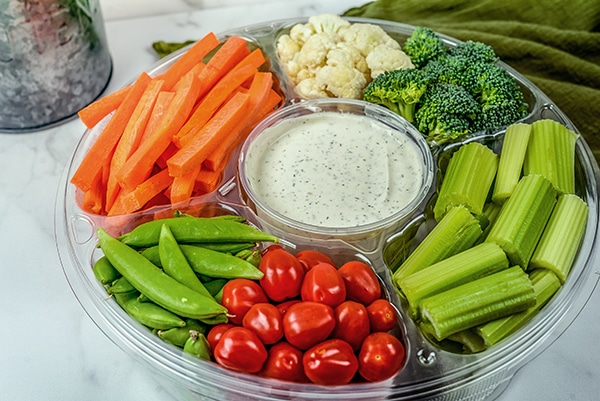
Carrots, celery, broccoli stems, and tomatoes dominate because they behave predictably once cut. They don’t wilt easily. They don’t discolor quickly. Softer vegetables are usually avoided, not because they’re less nutritious, but because they don’t tolerate time very well.
Once vegetables are cut, subtle changes begin. Vitamins degrade gradually. Moisture escapes. Texture shifts before flavor does. These changes aren’t dramatic, and they don’t make the food unsafe, but they do move it further away from the “fresh vegetable” people think they’re eating.
From a production perspective, a custom veggie tray manufacturer isn’t trying to maximize nutrition. The priorities are safety, consistency, and shelf stability. Nutrition becomes a constraint, not a target. That distinction explains a lot about why veggie trays feel healthy but often underdeliver.
Why Veggie Trays Still End Up Being Eaten
Criticism aside, veggie trays exist because they solve a real problem. People don’t eat vegetables consistently, even when they know they should.
Cutting, washing, and preparing vegetables takes time and effort. When that work is already done, people snack differently. They reach for what’s available. In offices, schools, and hospitals, veggie trays get touched in a way whole vegetables rarely do.
Even small amounts of fiber, eaten regularly, can support digestion and help regulate appetite. The same goes for vitamins like A and C. The levels might not be impressive on paper, but over time, consistency matters.
That’s why institutions keep sourcing from a fresh vegetable tray supplier even when nutritional critiques circulate. The tray isn’t perfect, but it performs better than the alternative, which is often no vegetables at all.
With children, the benefit is less about nutrients and more about familiarity. Seeing vegetables repeatedly, without pressure, changes how normal they feel. That effect doesn’t show up on labels, but it matters.
Where Veggie Trays Start to Work Against Themselves
The problem usually begins once expectations rise. Veggie trays look like a health solution, and people treat them as such.
Dips are a major factor. They’re technically optional, but socially expected. Most people don’t dip lightly. A few vegetables quickly become a vehicle for salt and fat. At that point, the nutritional math shifts.
There’s also sodium in places people don’t notice. Some vegetables are treated with mild solutions to preserve crunch and color. The salt isn’t obvious, but it’s there, especially when trays sit longer than intended.
Another issue is repetition. Many trays look generous but offer limited variety. The vegetables repeat across brands and formats. Nutrient diversity suffers quietly.
An OEM vegetable tray factory isn’t hiding this. It’s simply operating within cost and logistics limits. Those limits just don’t line up neatly with nutritional ideals.
How to Decide If a Veggie Tray Is Actually Helping

Not every veggie tray deserves the same judgment. Some are clearly better than others, even if the difference isn’t advertised.
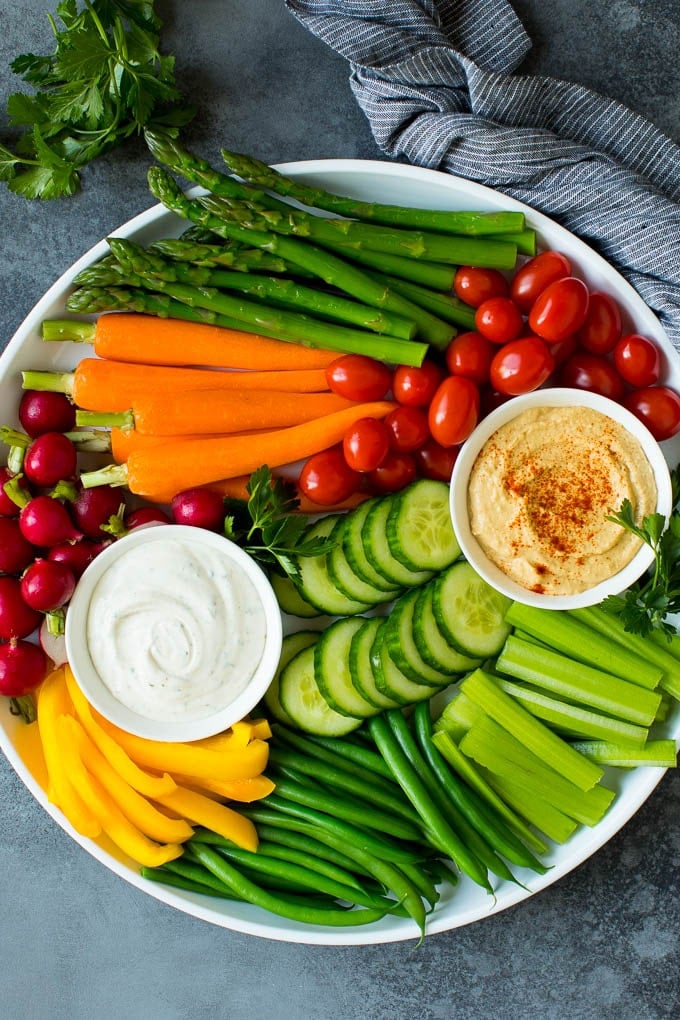
Ingredient simplicity helps, but color tells a stronger story. Deeper greens, reds, and oranges usually signal a broader nutrient profile. Turnover matters too. A tray meant to sell quickly tends to retain more texture and nutritional value than one designed to linger.
Context matters just as much. Veggie trays work best when they’re part of a meal pattern, not when they’re expected to compensate for everything else on the table.
This is why some retailers collaborate with a private label veggie tray manufacturer to produce smaller-batch or faster-rotation trays. They don’t fix every issue, but they narrow the gap.
Making Veggie Trays Fit How People Actually Eat
Veggie trays work when they’re treated realistically. They’re not meals. They’re not complete nutrition. They’re a convenience food with benefits and limits.
For weight-conscious eaters, they can help control snacking if dips are kept in check. For heart health, sodium awareness matters more than vegetable count. For busy households, consistency often beats optimization.
Homemade trays offer more control, but control costs time. That trade-off is real. It’s why large organizations rely on a foodservice veggie tray supplier for institutional buyers instead of insisting on fresh prep every time.
Storage habits matter, too. Veggie trays decline quietly. The longer they sit, the less they offer. Freshness isn’t just about taste.
What Research Suggests—And Where It Stays Silent

There’s no large body of research focused specifically on veggie trays. Most conclusions come from broader vegetable intake studies.
Those studies consistently support higher vegetable consumption, but they don’t guarantee benefits from every format. Veggie trays help when they increase intake without replacing balanced meals or adding excess calories through dips.
Convenience improves adherence. That’s well established. It explains continued demand from organizations working with a bulk veggie tray packaging manufacturer. The tray isn’t ideal, but it’s practical.
Marketing tends to flatten this nuance. When veggie trays are presented as solutions instead of tools, expectations get distorted.
So, Are Veggie Trays Actually Healthy?
Sometimes they are. Sometimes they aren’t. And often, they’re somewhere in between.
Veggie trays can support better habits when freshness, variety, and context align. They fall short when they’re treated as nutritional insurance.
As expectations shift, more buyers look toward partners like a sustainable vegetable tray manufacturer for commercial clients who can balance convenience with responsibility. That evolution suggests the category isn’t static, even if its reputation hasn’t caught up.
Veggie trays don’t need praise or rejection. They need perspective. Used with awareness, they help. Used blindly, they just look healthy.