
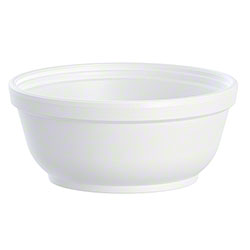
For many Australian ramen operators, packaging decisions are made under pressure. Service speed, food temperature stability, storage space, and cost control all collide during peak hours. In that environment, PS ramen bowls remain a practical choice for bulk orders, especially in takeaway-heavy and high-turnover formats.
While sustainability conversations continue to evolve, polystyrene bowls still occupy a clear role in Australia’s food service ecosystem. Understanding where PS fits, and which suppliers can deliver consistently at scale, is far more valuable than chasing abstract material trends. This guide focuses on suppliers that operate within real Australian procurement conditions, not theoretical packaging ideals.
Understanding What PS Ramen Bowls Really Are
Polystyrene, commonly referred to as PS, is a food-grade plastic widely used in disposable soup and noodle bowls. Its popularity is not accidental. PS offers stable molding, reliable insulation, and predictable performance with hot liquids. For ramen, where broth temperature and structural integrity matter, those characteristics explain why PS remains common in takeaway and event catering.
Unlike melamine or ceramic bowls, PS products are designed for single use. They do not require washing infrastructure, staff handling, or return logistics. That distinction alone makes PS bowls attractive for ghost kitchens, pop-up operations, and catering setups where speed and simplicity matter more than reusability.
Australian buyers should also be clear about regulatory context. PS food containers used for ramen comply with FSANZ food-contact standards when sourced from legitimate suppliers. While PS is not biodegradable, it remains legally accepted and widely distributed across Australia’s food service supply chain.
What Bulk Buyers Should Evaluate Before Choosing a Supplier

Choosing a PS ramen bowl supplier is rarely about the bowl alone. Procurement teams evaluate reliability first. MOQ thresholds determine whether a supplier fits a single-location shop or a multi-site operator. Some suppliers cater to low-volume buyers with flexible cartons, while others focus on pallet-level distribution.
Pricing transparency also matters. In Australia, bulk pricing may or may not include GST, and freight surcharges can quietly erode perceived savings. Buyers sourcing at scale learn quickly that the cheapest unit price does not always equal the lowest total cost.
Logistics is another decisive factor. Warehousing in Sydney, Melbourne, or Brisbane can dramatically shorten lead times, which matters when daily ramen volume is measured in hundreds of bowls rather than dozens. Finally, some buyers explore branding opportunities. While PS bowls are less commonly customized than paper alternatives, OEM or private label options do exist for chains willing to commit to volume.
Castaway Food Packaging and Practical Bulk Supply
Among Australian suppliers, Castaway Food Packaging has built a reputation around serving hospitality operators who value predictability. Its PS ramen bowls are positioned as core items rather than secondary add-ons, which simplifies reordering and stock planning.
Castaway’s strength lies in aligning with everyday restaurant realities. Bowl sizes are designed for hot soup applications, lids fit securely during transport, and carton quantities remain manageable for both independent shops and growing chains. For buyers exploring branding at scale, Castaway can function as a custom PS ramen bowl manufacturer, provided volume thresholds justify tooling and print setup.
For many operators, the deciding factor is not innovation but consistency. In that regard, Castaway’s local presence and established distribution network reduce risk during peak demand cycles.
Solo Packaging and High-Volume Catering Needs
For large catering companies and contract food service providers, volume stability outweighs flexibility. Solo Packaging operates squarely in that space. With decades of experience in Australia’s packaging sector, Solo supplies PS bowls that integrate smoothly into high-throughput environments.
Solo’s model favors account-based purchasing rather than one-off transactions. This suits buyers managing multiple venues or servicing large events where repeat orders and consistent specifications are essential. In that context, Solo Packaging acts as a PS ramen bowl supplier for catering operators, prioritizing supply continuity over customization.
Reward Hospitality as a One-Stop Solution
Some ramen businesses prefer to simplify procurement by consolidating suppliers. Reward Hospitality appeals to that mindset. Beyond PS ramen bowls, Reward supplies lids, utensils, and complementary takeaway items, allowing buyers to source complete kits through a single account.
This approach reduces administrative friction, especially for groups managing multiple SKUs across locations. Reward’s warehousing capacity also supports urgent replenishment, which can be critical during seasonal surges or promotional periods. For procurement teams seeking operational efficiency, Reward Hospitality often functions as a PS ramen bowl factory for bulk foodservice supply, even though it operates primarily as a distributor rather than a manufacturer.
Nisbets Australia and Speed-Driven Procurement

Not every buyer plans months in advance. For small ramen shops or new concepts testing takeaway formats, speed can matter more than long-term pricing optimization. Nisbets Australia has positioned itself as a fast-moving supplier with a strong online ordering platform.
Nisbets’ PS ramen bowls are typically stocked locally and available for rapid dispatch. While customization options are limited, the ease of ordering and short delivery windows make Nisbets a practical PS ramen bowl supplier for small restaurant buyers who need immediate solutions rather than long negotiations.
Multigate and Cost-Focused Bulk Purchasing
At the price-sensitive end of the market, Multigate attracts buyers whose priority is unit cost. Multigate’s PS ramen bowls are generally import-driven, which allows competitive pricing for high-volume orders.
This positioning suits businesses operating on thin margins, such as festival vendors or high-turnover takeaway outlets. While branding and premium finishes are not the focus, Multigate fills an important role as a budget PS ramen bowl manufacturer alternative for buyers willing to trade customization for savings.
Custom and OEM Possibilities in the PS Category
Although PS bowls are most often purchased as standard items, custom programs are not unheard of. Chains with sufficient volume sometimes pursue OEM arrangements to align bowl size, clarity, or branding with their concept. These programs typically require higher MOQs and longer lead times, making them unsuitable for first-time buyers.
When executed correctly, custom PS bowls can reinforce brand recognition in takeaway-heavy markets. For operators exploring this path, working with an experienced OEM PS ramen bowl manufacturer for Australian brands helps manage tooling, compliance, and quality control.
How Australian Buyers Should Approach Their First Bulk Order

First-time bulk buyers often underestimate how quickly PS ramen bowls move through inventory. Capacity planning should account not only for daily covers but also for delivery buffers and seasonal spikes. Ordering too conservatively can lead to emergency purchases at unfavorable prices.
Clear communication with suppliers is essential. Quantity, bowl dimensions, lid requirements, and delivery timelines should be confirmed upfront. Providing an ABN often unlocks wholesale pricing and simplifies account setup. Experienced buyers also evaluate after-sales support, knowing that damaged cartons or transport issues occasionally occur even with reliable suppliers.
Final Perspective for Bulk PS Ramen Bowl Procurement
PS ramen bowls remain a practical solution in Australia’s food service landscape, particularly where speed, cost control, and heat performance intersect. The suppliers covered here reflect different procurement priorities, from flexibility and speed to scale and pricing efficiency.
For bulk buyers, the smartest decisions come from matching supplier strengths to operational realities rather than chasing idealized packaging narratives. Whether sourcing for a single takeaway shop or a nationwide catering operation, aligning with a reliable PS ramen bowl manufacturer for Australian wholesale operations ultimately protects service quality and business continuity.
In a market shaped by daily demand and narrow margins, informed sourcing is not just a purchasing task. It is part of operational strategy.