
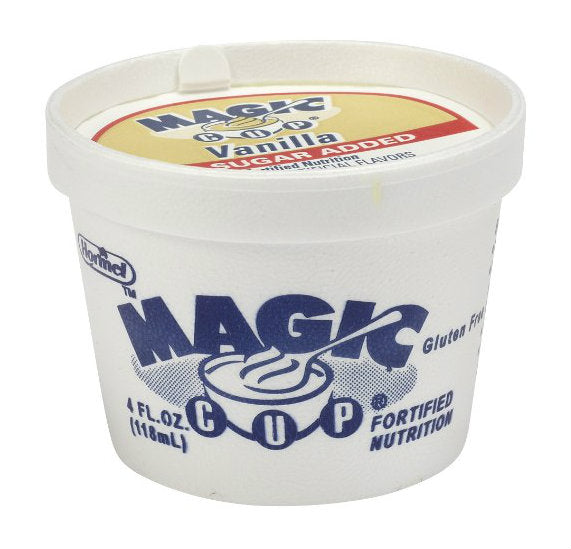
In the high-stakes environment of institutional healthcare, nutrition isn’t just about filling a plate—it’s a calculated clinical intervention. Magic Cup sits at the heart of this sector, bridging the gap between a comforting frozen treat and a high-performance medical supplement. To the untrained eye, it’s just a snack; to a clinical dietitian, it’s a precision tool for patient recovery. For procurement teams, understanding what goes into these cups is the first step in maintaining high standards of care. This deep dive uncovers the technical DNA of Magic Cup and why it has become a non-negotiable staple for modern care providers.
The “Phase-Change” Miracle: More Than Just a Treat
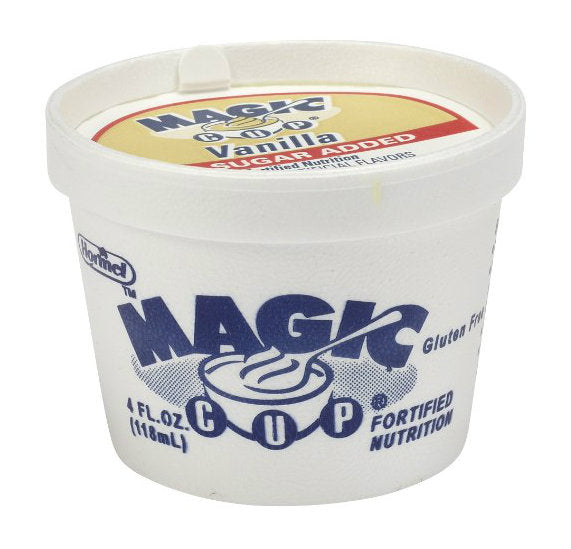
What exactly is Magic Cup? It’s a high-calorie, high-protein powerhouse engineered for those battling involuntary weight loss (UWL) or the daily struggle of dysphagia. Unlike the thin, sugary pints in a grocery aisle, this is a medically tailored innovation. Its defining “magic” is its ability to change phases without losing safety. When frozen, it’s an ice cream; as it thaws, it transforms into a stable, cohesive pudding that never turns into a runny liquid.
This isn’t just for show. For patients with compromised swallowing, thin liquids are a direct ticket to aspiration pneumonia. Magic Cup is formulated to be a reliable IDDSI Level 4 Pureed diet manufacturer solution, staying thick and safe even at room temperature. For facility directors, choosing a certified medical grade frozen dessert supplier means providing a safety net for residents who can no longer handle standard textures but still need massive caloric support.
Inside the Matrix: A Breakdown of Ingredients
If you look at the label, you’ll see Magic Cup ignores the traditional “cream and sugar” playbook. Instead, it builds a nutritional fortress using skim milk, palm oil, and milk protein concentrate. This specific lipid-and-protein architecture is what allows for such a concentrated dose of energy in a tiny 4-ounce footprint. It’s about biological efficiency, not just creamy mouthfeel.
The real engineering happens with the stabilizers. A heavy-duty blend of modified food starch, gelatin, and a “triple-threat” of gums (xanthan, carrageenan, and cellulose) creates a molecular web. This web holds the fat and water in a tight grip, preventing the “weeping” or separation often seen in cheaper alternatives. When a health system partners with a high-protein pudding cup factory for long-term care, they are paying for this structural reliability. The protein isn’t just an additive; it’s the backbone of the entire product’s physical integrity.
Caloric Punch: 290 Calories in 4 Ounces
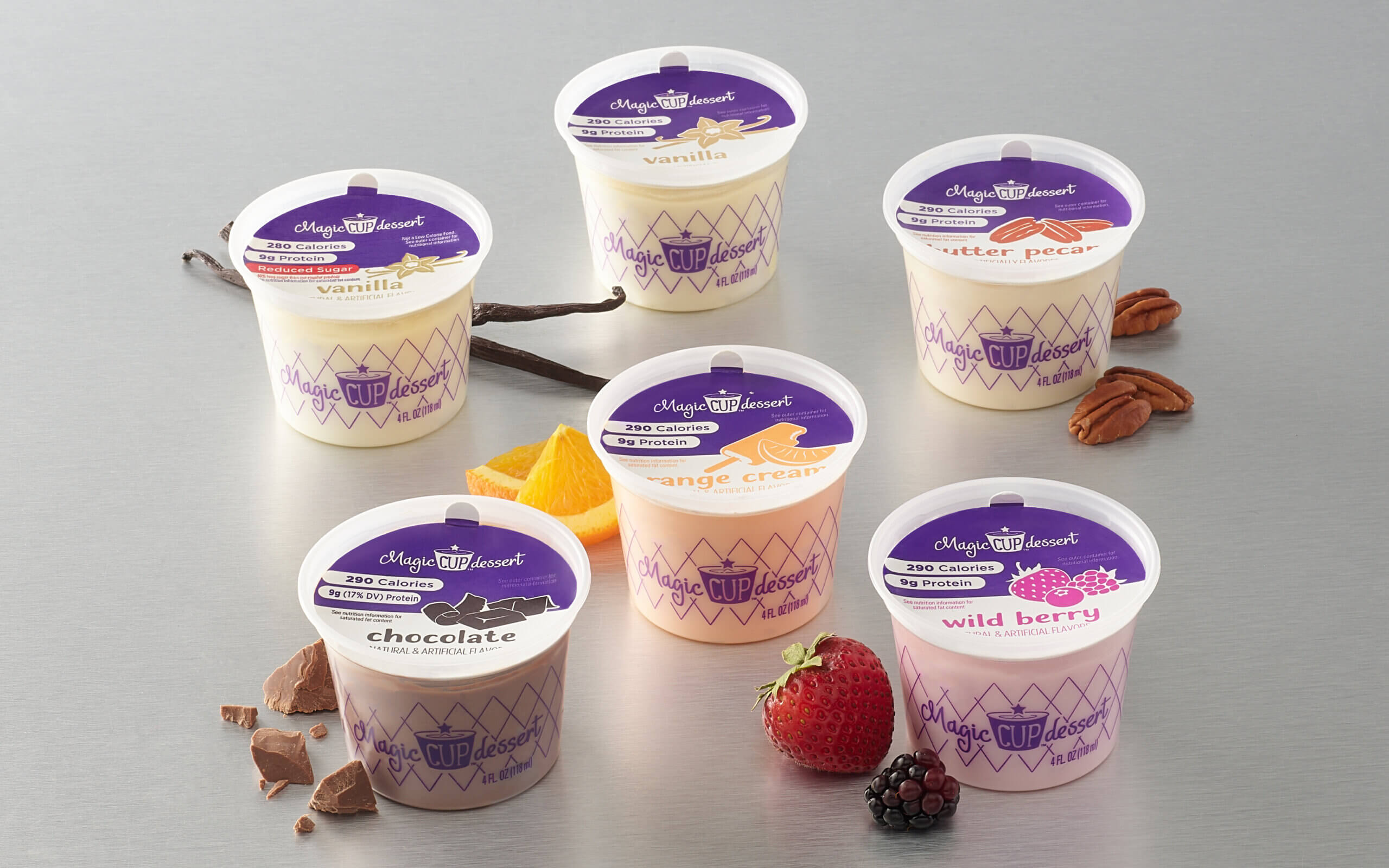
The math behind Magic Cup is staggering. While your typical store-bought vanilla scoop might offer 130 calories, Magic Cup delivers a massive 290 calories and 9 grams of protein in the same volume. For a patient with a “fading appetite” who can only manage three or four bites, this density is the difference between maintenance and decline. It’s a “small-volume, high-yield” strategy.
Beyond the raw energy, the formula is spiked with 20+ essential vitamins and minerals. We’re talking 25% of the daily Vitamin A requirement and a robust B-complex profile. This effectively turns a simple dessert into a meal replacement. For organizations vetting a specialized dysphagia food supplier for hospital networks, this “all-in-one” fortification simplifies the job for the nursing staff. Even the Sugar-Free Vanilla version, which swaps high-fructose corn syrup for polydextrose and sucralose, maintains the caloric heft needed for diabetic patients who are also at risk of malnutrition.
The Safety Gap: Why Regular Ice Cream Fails
The biggest mistake a caregiver can make is assuming regular ice cream is a fine substitute. It’s a safety hazard. Once standard ice cream hits a warm bedside table, it melts into a thin, watery mess—the exact consistency that triggers choking in dysphagia patients. Magic Cup, by design, refuses to melt into a thin liquid. It reaches the “pudding stage” and stops there.
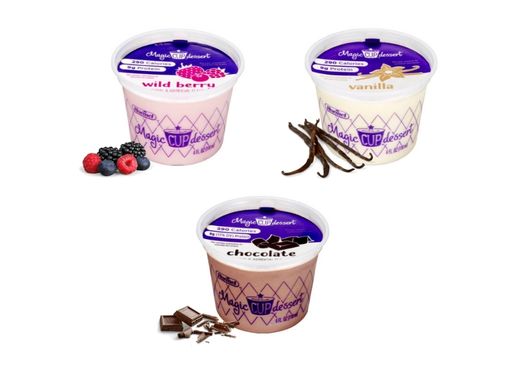
This functional limit is what separates “pleasure food” from “medical food.” While a wholesale bulk nutritional dessert manufacturer will ensure the Wild Berry and Butter Pecan flavors taste great, the primary design goal is always viscosity control. This is why it’s a staple in “med-pass” programs. When you source from a private label nutritional supplement factory for healthcare, you aren’t just buying calories; you’re buying a standardized, predictable texture that mitigates clinical risk.
Clinical Utility: Who Needs the Magic?
This isn’t a snack for the general public. It’s a targeted intervention for:
-
Oncology Units: Where cold textures soothe mouth sores while providing much-needed energy.
-
Memory Care: Where residents might forget to eat and need every bite to count.
-
Rehabilitation Centers: For post-op patients needing rapid protein for wound healing.
For those managing the books, working with a bulk frozen medical food supplier for nursing homes ensures that these specialized diets are always in stock. Plus, since the entire line is Gluten-Free, it removes another layer of dietary complexity for the kitchen staff.
Procurement and Operational Ease
In the chaos of a professional kitchen, Magic Cup is a breath of fresh air. It’s versatile. You can serve it straight from the freezer as a refreshing treat or let it sit for 15 minutes to serve as a pudding. This “one-cup-fits-all” approach cuts down on the need to stock multiple different dessert types for various texture diets.
When negotiating with a high-calorie nutritional cup manufacturer for professional distributors, the focus should always be on the cold chain. Because this product relies on its initial frozen state to set its molecular structure, temperature control during shipping is everything. For most facilities, the 48-count case is the “sweet spot” for balancing storage space with high-volume patient needs.
Closing the Nutritional Gap
Magic Cup is a masterclass in functional food design. it takes the psychological comfort of a childhood favorite and re-engineers it into a life-saving clinical tool. It proves that medical nutrition doesn’t have to be clinical or unappealing. For the professionals on the front lines, partnering with a reliable medical nutrition factory for wholesale orders is more than a business deal—it’s a commitment to the dignity and health of their patients. By turning every spoonful into a concentrated dose of recovery, Magic Cup remains the gold standard in the specialized world of medical desserts.