
Keeping a frozen dessert perfectly intact is a relentless sprint against thermodynamics. In the high-pressure worlds of hospitality and clinical care, a melted ice cream cup is a wasted asset and a logistical headache. Whether you’re steering a massive hospital cafeteria or a niche catering boutique, the goal is identical: locking in that sub-zero core from the loading dock to the patient’s tray. This isn’t just about turning the freezer dial down; it’s about mastering a series of professional “micro-interventions” across the entire supply chain.
The Physics of the “Melat”: Why One Degree Matters

Ice cream is a fragile equilibrium of air, fat, and ice. When temperatures nudge even slightly above the danger zone, the fine ice crystals inside start to liquefy. The real trouble begins when you re-freeze them; they don’t return as tiny, smooth crystals but as large, jagged shards. This “heat shock” is the primary killer of texture. To fight this, your storage environment must be a fortress of stability.
Most experts agree on a hard line: -18°C (0°F). Anything warmer triggers a structural collapse that no amount of “flash freezing” can later fix. This reality is why working with a reliable frozen dessert supplier for large-scale events is the only way to start on the right foot. You need the product to arrive “rock-hard”—if the transition from the truck to your walk-in takes too long, the quality rot has already set in. The integrity of the final serve is decided in those first few minutes on the loading dock.
Packaging: Your First Line of Defense
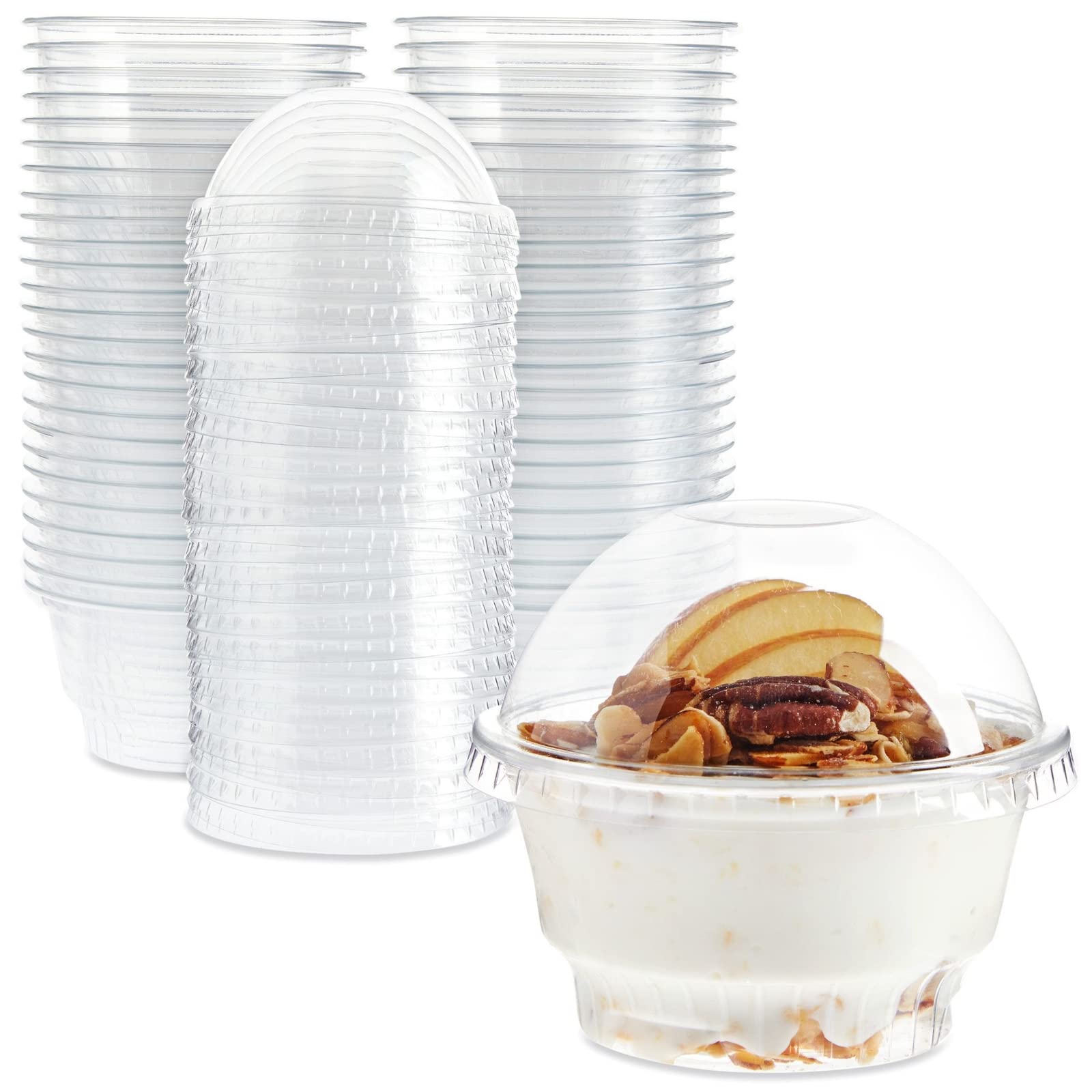
Don’t underestimate the cup itself. It’s not just a container; it’s a thermal shield. In professional settings, standard paperboard often falls short for long-haul storage. High-density materials or insulated double-walled designs are the industry’s answer to heat transfer. The denser the wall, the slower the ambient heat can claw its way to the center of the dessert.
But the real secret is often in the seal. A loose lid is an invitation for air exchange, which leads directly to that unappealing “freezer frost.” Many savvy operators now source from a custom printed ice cream cup factory that specializes in induction-sealed foil liners. This creates an airtight vault, keeping moisture out and the creamy texture in. When you’re managing a complex B2B inventory, these packaging specs are just as important as the ingredients inside.
Freezer Mastery: It’s About Airflow, Not Just Cold
The biggest mistake in professional storage? Stacking boxes like bricks. If air can’t move, the “cold” can’t reach the center of the pallet. In a crowded walk-in, you need to leave breathing room. Always use slatted shelves and keep a clear gap between the product and the freezer walls to avoid “warm spots” that the thermostat won’t catch.
For smaller operations, use the “Deep-Freeze Zone.” The back-bottom corner of your unit is the most stable spot in the house, far away from the constant blast of warm air every time the door swings open. If you’re sourcing from a premium gelato cup manufacturer for luxury hotels, they’ve already done the hard work of crafting a high-end product; don’t ruin it by shoving it in the door rack where temperatures swing like a pendulum. A simple sheet of parchment paper pressed against the surface can also add a final, low-tech layer of protection against freezer burn.
Logistics: Winning the “Last Mile” Battle

Moving frozen goods is where the real stress begins. For a quick cross-town trip, gel packs might cut it. But for anything longer than two hours, dry ice is the undisputed king. At -78.5°C, it provides a “thermal buffer” that standard ice packs can’t touch. The goal isn’t just to keep things cold—it’s to keep them frozen solid.
The box-within-a-box method is your best friend here. Think of it as a thermal nesting doll: the cup, an insulated sleeve, and a heavy-duty outer shipper. This creates “dead air” zones that act as natural insulation. When vetting a wholesale ice cream cup supplier for international shipping, their packing protocol is more important than their price point. If they don’t understand the science of thermal conduction, you’ll end up with a box of expensive milkshakes.
Serving Under Pressure: The Event Strategy
When it’s time to serve, especially at an outdoor event or a busy buffet, you need an “active cooling” plan. The old-school ice-salt bath is still the gold standard. By adding rock salt to your ice, you drop the temperature of the slush well below freezing. It’s messy, but it works better than any fancy display case.
The most vital tip for service? Stop the “Mass Exodus” from the freezer. Don’t pull 100 cups at once if you’re only serving 10 people at a time. Staggered replenishment keeps the majority of your stock in the deep freeze until the very last second. This is a tactic used by every innovative frozen snack factory for retail chains when they design their point-of-sale displays. Keep the exposure time to an absolute minimum.
Avoiding the “Refreeze” Trap and Other Errors

We’ve all seen it: the slightly soft cup that gets tossed back in the freezer for tomorrow. Don’t do it. Once the structure has melted, the fat and water separate, and the resulting “icy” texture is a hallmark of poor quality. Even worse, it’s a safety risk.
Another silent killer is the “Loading Dock Delay.” Ten minutes in the sun might not seem like much, but it’s enough to raise the internal temperature of a pallet by 5 degrees. This is why a reputable medical nutrition cup manufacturer for healthcare facilities mandates a “zero-dwell-time” policy. In a hospital, where the texture of a supplement (like a Magic Cup) can be the difference between a safe swallow and a choking hazard, these rules are set in stone.
The Bottom Line on Sub-Zero Success
Protecting your frozen inventory is a game of discipline. It’s about picking the right partners, like a specialized paper ice cream cup supplier for eco-friendly brands, and then following through with rigorous on-site habits. Every time a door stays shut or a pallet is moved quickly, you’re saving money and protecting your brand’s reputation.
Master the cold chain, and you master the product. When that cup finally reaches the end-user, and the texture is exactly as the maker intended, all that logistical sweat pays off. It’s the difference between a forgettable snack and a perfect, creamy experience that keeps clients coming back.