
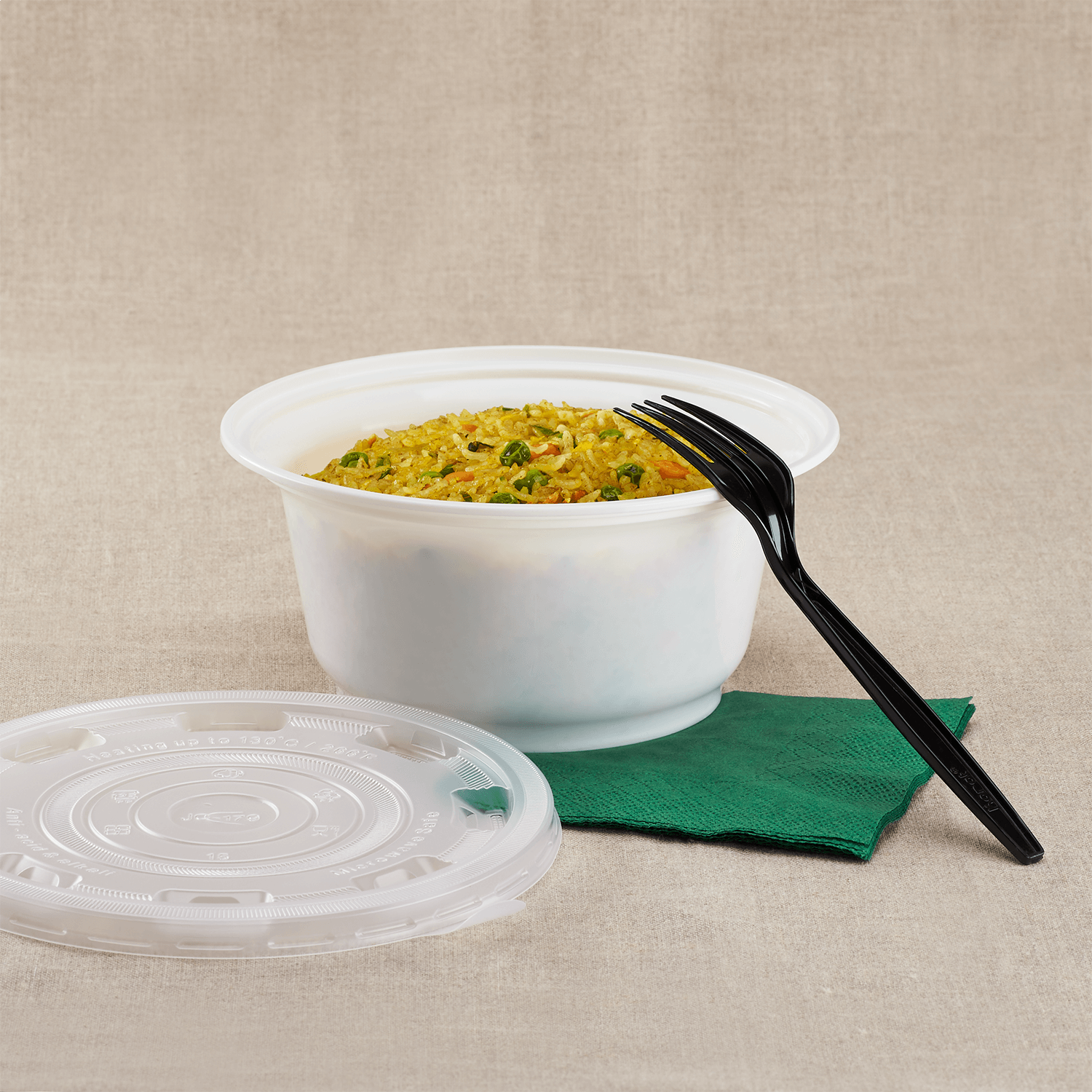
In many European markets, biryani did not grow as a packaged food category overnight. It entered slowly, first through ethnic catering, then through foodservice wholesalers, and only later through supermarket ready-meal shelves. That gradual expansion has shaped how buyers think about packaging. What works for pasta or noodles often fails with rice-heavy, oil-rich dishes. For that reason, procurement teams increasingly look beyond generic containers and focus on identifying a PP biryani bowl manufacturer for European food brands that understands real-use conditions rather than lab assumptions.
From a sourcing perspective, biryani packaging is rarely treated as a low-risk line item. A cracked bowl, warped base, or leaking seal does not just cause returns; it undermines retailer confidence. Buyers working with a PP biryani bowl supplier for ready-meal production often discover that material choice, wall thickness, and heat behavior matter more than nominal capacity or appearance. This is why polypropylene has become the default material in European RFQs for rice-based meals that require reheating.
What Buyers Actually Mean by a PP Biryani Bowl

In commercial use, a PP biryani bowl is expected to survive multiple stress points. It may be filled while hot, sealed under pressure, stored chilled or frozen, and reheated by the end consumer. Polypropylene performs well in this environment because it retains stiffness close to one hundred twenty degrees Celsius and resists oil absorption over time. These characteristics are the reason most buyers specify PP when approaching a high-temperature PP biryani bowl supplier.
Other materials continue to appear in early-stage discussions but tend to fall away during testing. PET may soften after repeated reheating, while compostable materials struggle with steam and oil. Even when these options meet initial compliance checks, they often fail in real distribution. For European buyers, PP has become less a preference and more a practical necessity.
Regulatory exposure further narrows the field. Any PP biryani bowl entering the EU market must comply with Regulation 10/2011, including migration limits and material traceability. Buyers sourcing outside Europe frequently treat documentation review as a filter, eliminating suppliers that cannot provide credible reports. This step alone often determines whether a PP biryani bowl manufacturer for EU importers proceeds to sampling.
1. Faerch
Faerch is often the first name raised when European buyers discuss ready-meal packaging. With roots in Denmark and production spread across the EU, the company has long supplied PP bowls for chilled and reheated meals sold through major retailers.
Its deeper PP formats are commonly used for rice dishes because they maintain shape during microwave heating and tolerate prolonged oil contact. Buyers evaluating a custom PP biryani bowl manufacturer for supermarket programs tend to value Faerch’s regulatory consistency as much as its product design. The bowls are rarely experimental, but they are dependable, which matters in high-volume retail.
2. Coveris
Coveris approaches PP packaging from an industrial efficiency standpoint. Its thermoformed PP bowls are designed to integrate smoothly into automated filling and sealing lines, which appeals to large-scale ready-meal producers.
For biryani, this matters because uneven rice distribution and oil content can stress weaker containers. Buyers looking for a PP biryani bowl supplier with EU manufacturing capability often shortlist Coveris due to its ability to deliver consistent batches with minimal variation. In procurement discussions, reliability usually outweighs novelty.
3. Greiner Packaging
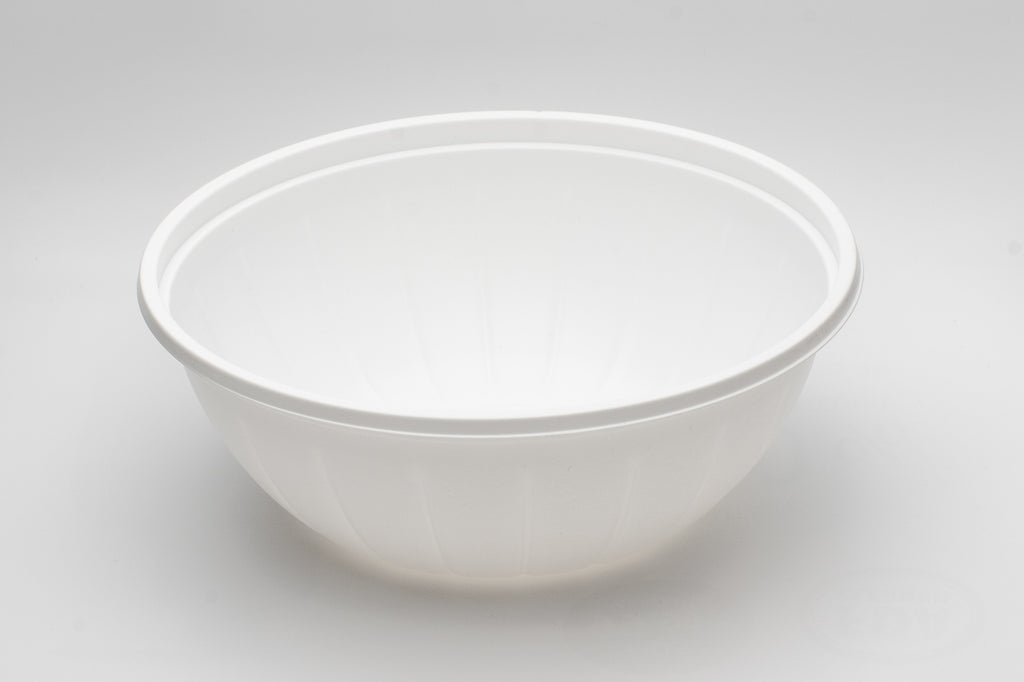
Greiner Packaging is evaluated differently from volume-driven suppliers. Based in Austria, the company is known for material innovation and sustainability-oriented solutions rather than aggressive pricing.
Its PP bowls are engineered for demanding food applications, including oily and heat-intensive meals. Brands with longer-term positioning goals often assess Greiner as a PP biryani bowl factory for premium and sustainability-led products, even when unit costs are higher. In those cases, packaging becomes part of brand messaging, not just logistics.
4. Berry Global
Berry Global’s strength lies in scale and standardization. With production facilities across Europe, the company supplies PP containers to multinational food groups that operate across several markets.
For biryani producers distributing in multiple countries, Berry’s appeal is operational predictability. Buyers selecting a PP biryani bowl manufacturer for cross-border distribution often prioritize documentation depth and consistent specifications, areas where Berry is well established. This reduces friction during retailer audits and product launches.
5. Berlin Packaging
Berlin Packaging does not manufacture bowls directly, but its role in European procurement is significant. Acting as a sourcing and solutions partner, it aggregates PP food containers from qualified producers and supports logistics and design.
For expanding biryani brands, this model simplifies supplier management. Instead of coordinating multiple factories, buyers work with Berlin Packaging as a PP biryani bowl sourcing partner for European expansion, particularly when entering several markets at once. This approach trades some cost efficiency for speed and coordination.
6. JunhuiPack
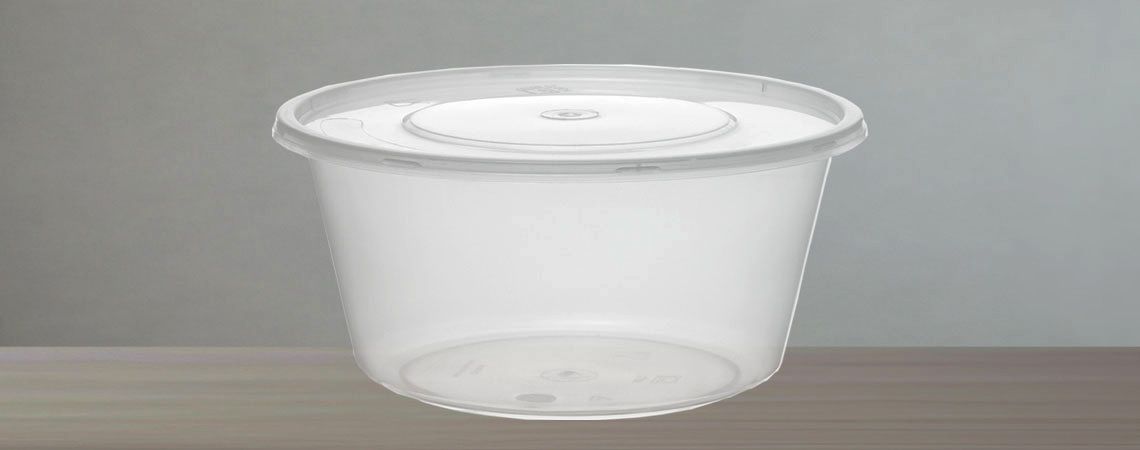
JunhuiPack reflects a broader shift among Asian manufacturers toward EU-focused compliance. The company produces deep PP bowls in sizes typically used for biryani portions and has adjusted designs to handle oil and heat more effectively.
Reinforced rims and thicker walls help reduce leakage during reheating. Buyers considering offshore options often review JunhuiPack as an OEM PP biryani bowl manufacturer for private-label sourcing, provided that EU migration testing and traceability documents are in place. Cost savings are meaningful, but only when compliance risk is controlled.
7. Dashan Packing
Dashan Packing supplies PP bowls commonly used in frozen-to-microwave meal formats. Its products are designed to tolerate temperature swings without cracking, which is relevant for biryani sold through catering or wholesale channels.
Price competitiveness remains its main attraction. Buyers sourcing from Dashan typically view it as a PP biryani bowl supplier for foodservice operations, where margins are tighter and branding requirements are lower. Compliance documentation still plays a gatekeeping role, but unit economics drive the final decision.
8. LC Packaging
LC Packaging focuses on transparency and regulatory alignment within Europe. Its PP food containers include formats suitable for hot food, though customization options are more limited than those of larger manufacturers.
For procurement teams operating in highly regulated environments, LC Packaging is often evaluated as a PP biryani bowl supplier for compliance-sensitive European markets. The appeal lies less in innovation and more in audit readiness and documentation clarity.
Closing Perspective for European Buyers
Selecting a PP biryani bowl manufacturer is rarely about finding the cheapest option. It is about minimizing failure points across production, distribution, and consumption. European suppliers often reduce regulatory and logistics risk, while EU-compliant Asian manufacturers can deliver cost advantages when properly vetted.
As biryani continues to gain ground in Europe’s ready-meal sector, packaging choices will increasingly influence retailer confidence and brand reputation. For procurement teams, the right PP biryani bowl supplier is not just a vendor, but part of the product’s commercial foundation.