
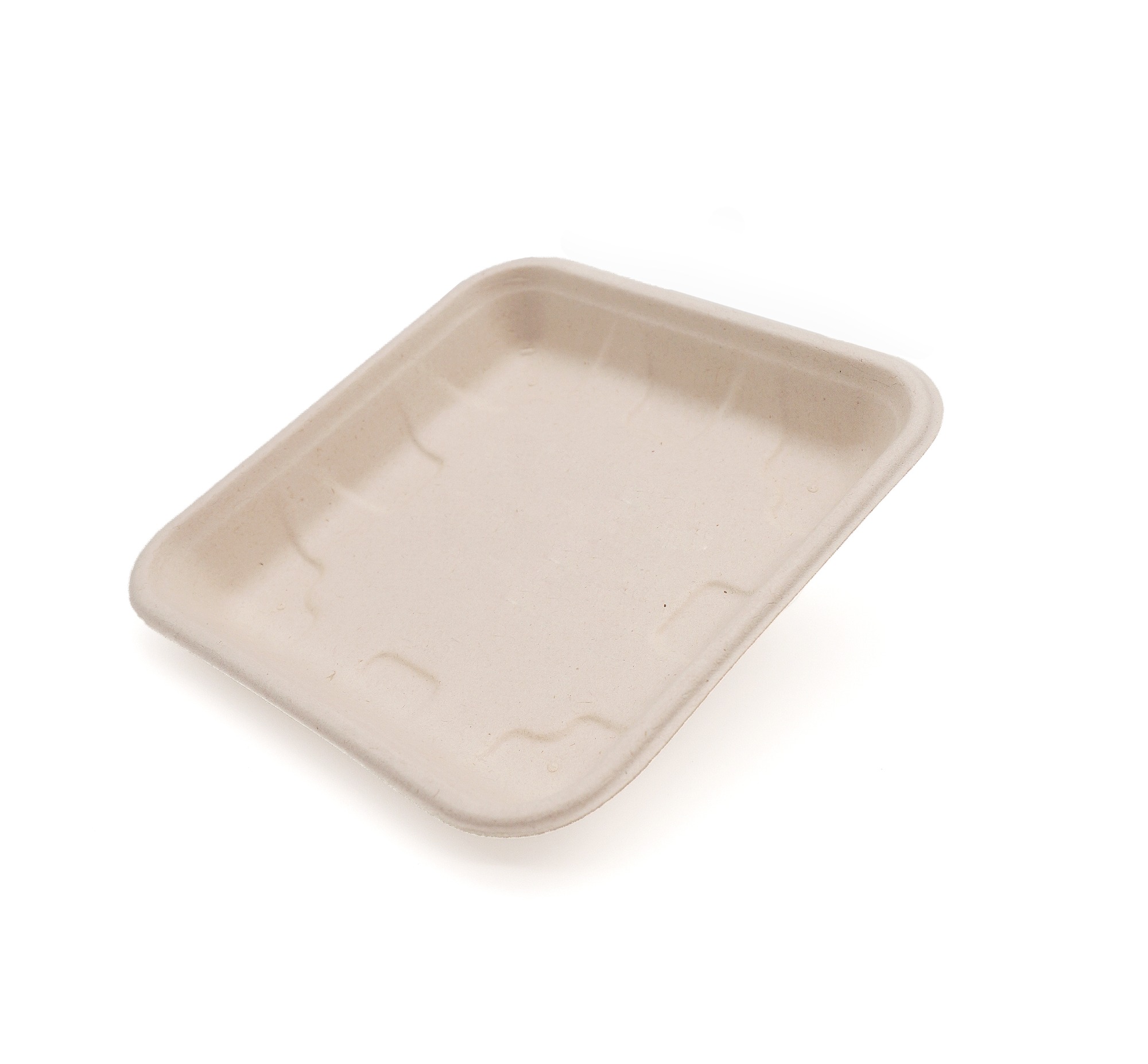
For many UK foodservice buyers, switching to sugarcane bagasse veggie trays was not originally a strategic move. In most cases, it began as a reaction—first to plastic bans, then to rising compliance costs, and later to customer scrutiny around sustainability claims. Over time, however, the tone of procurement discussions shifted. Bagasse trays are no longer positioned as temporary eco substitutes but evaluated as standard formats that must function reliably across operations, budgets, and regulatory frameworks. For purchasing teams working with a commercial sugarcane bagasse veggie tray supplier, this shift has changed how packaging decisions are justified internally.
This article examines five UK suppliers that genuinely provide sugarcane bagasse veggie trays, reviewed from a buyer’s perspective rather than a marketing lens. The assessment focuses on supply consistency, certification credibility, and real-world performance—criteria typically used when shortlisting a food-grade veggie tray manufacturer for bulk sourcing rather than selecting a branded consumer product.
Why Sugarcane Bagasse Makes Sense for Veggie Trays
Sugarcane bagasse is not a newly introduced material. It is the fibrous residue left after sugarcane is pressed for juice, historically treated as agricultural waste. Its relevance today lies in how efficiently this by-product can be converted into moulded fibre trays that meet food-contact standards at scale. For buyers evaluating an industrial compostable veggie tray factory partner, this conversion process is now well established rather than experimental.
In vegetable applications, material behaviour matters more than surface appearance. Veggie trays are routinely exposed to moisture, light oils, temperature variation, and stacking pressure—often within a single service window. Bagasse performs consistently under these conditions. It retains rigidity in chilled storage, resists softening from roasted vegetable oils, and tolerates reheating without releasing odours or distorting in typical foodservice environments. These characteristics are why many operators now treat bagasse as a practical option when working with a reliable veggie tray supplier for catering operations, rather than a compromise solution.
From a procurement standpoint, the appeal is not purely technical. There is also a strategic dimension. Buyers increasingly favour materials that minimise reliance on virgin resources and simplify sustainability reporting. Because bagasse uses an existing agricultural by-product, it supports environmental claims that are easier to substantiate during audits and tenders, particularly when sourced through a certified sugarcane bagasse veggie tray manufacturer for professional buyers.
Bagasse vs Plastic Trays: Where the Real Difference Shows Up
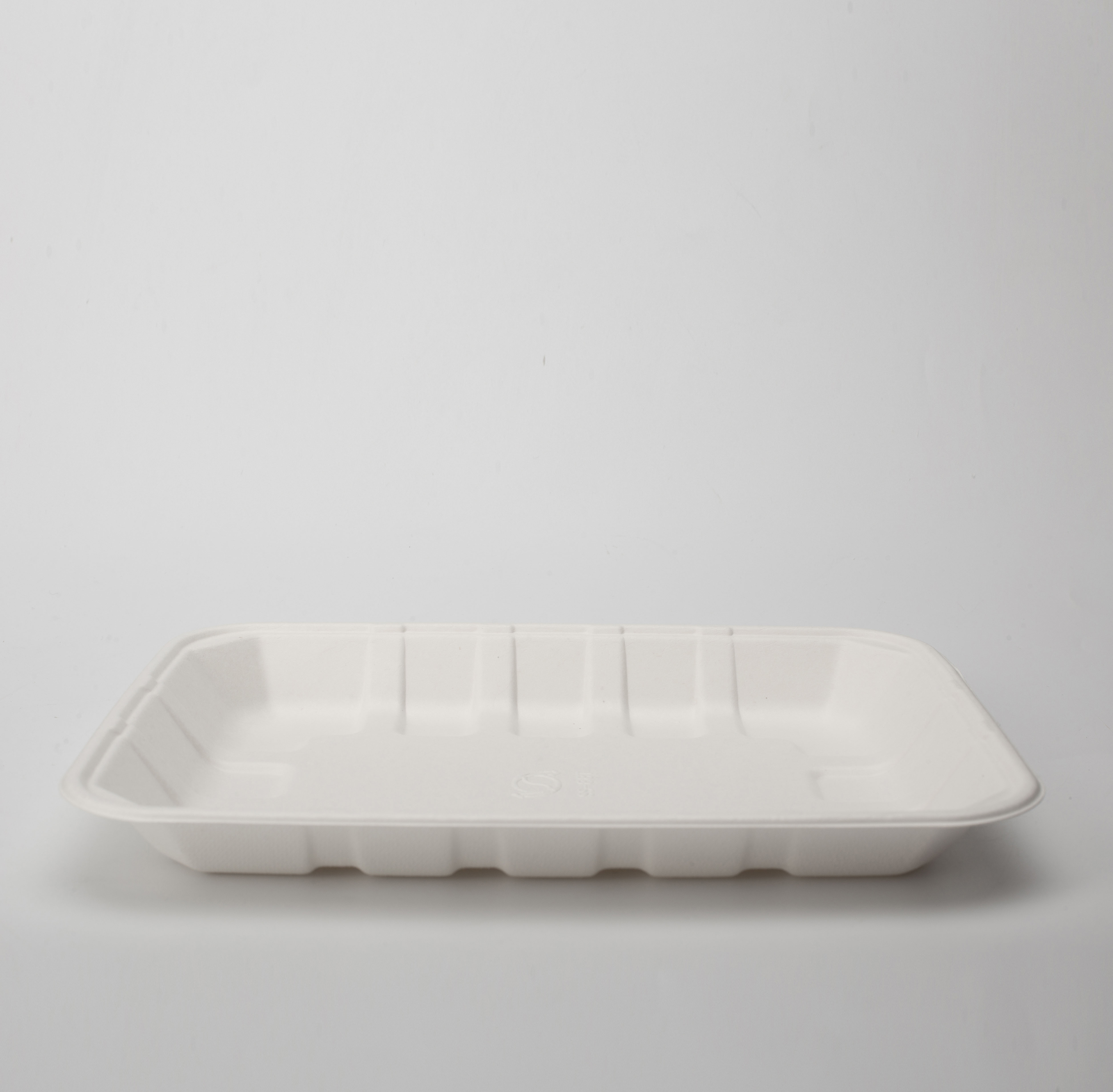
On paper, plastic trays still look competitive. They are consistent, familiar, and technically durable. The problem is that technical performance no longer tells the full cost story in the UK.
Sugarcane bagasse trays cover the temperature range most veggie trays actually need, from freezer storage through to reheating or hot-hold applications. For vegetables, this is usually enough. Where plastic begins to lose ground is beyond the kitchen.
Plastic trays attract additional reporting obligations and cost exposure through the UK Plastics Packaging Tax and EPR schemes. These costs rarely appear on a supplier’s price list, but they surface later through compliance budgets and waste fees. Bagasse trays certified for commercial composting avoid much of that friction. Over time, this difference becomes noticeable, especially for buyers managing multiple outlets or SKUs.
Regulation as a Procurement Driver in the UK
UK packaging regulation has quietly reshaped how buyers evaluate suppliers. Packaging is no longer a neutral line item. Choices made at tray level now affect tax exposure, ESG disclosures, and even eligibility for certain retail contracts.
For many procurement teams, sugarcane bagasse veggie trays reduce uncertainty. They simplify documentation, align with composting infrastructure, and are less likely to be challenged during sustainability reviews. This is why bagasse trays are increasingly written directly into packaging specifications, rather than approved as optional alternatives.
What Actually Matters When Choosing a Bagasse Tray Supplier
Bulk buyers rarely fail because they choose the wrong material. They fail because they underestimate supply-side variables. Minimum order quantities can quietly lock up cash. Case pack structures influence storage efficiency. Delivery thresholds affect whether advertised pricing is achievable in practice.
Certification also needs context. EN13432 commercial compostability is essential, but food safety systems such as BRC or HACCP often determine whether a product can move through regulated supply chains. Finally, stock reliability matters. UK-based warehousing and predictable lead times are often more valuable than a marginally lower unit price.
① PFM Plus
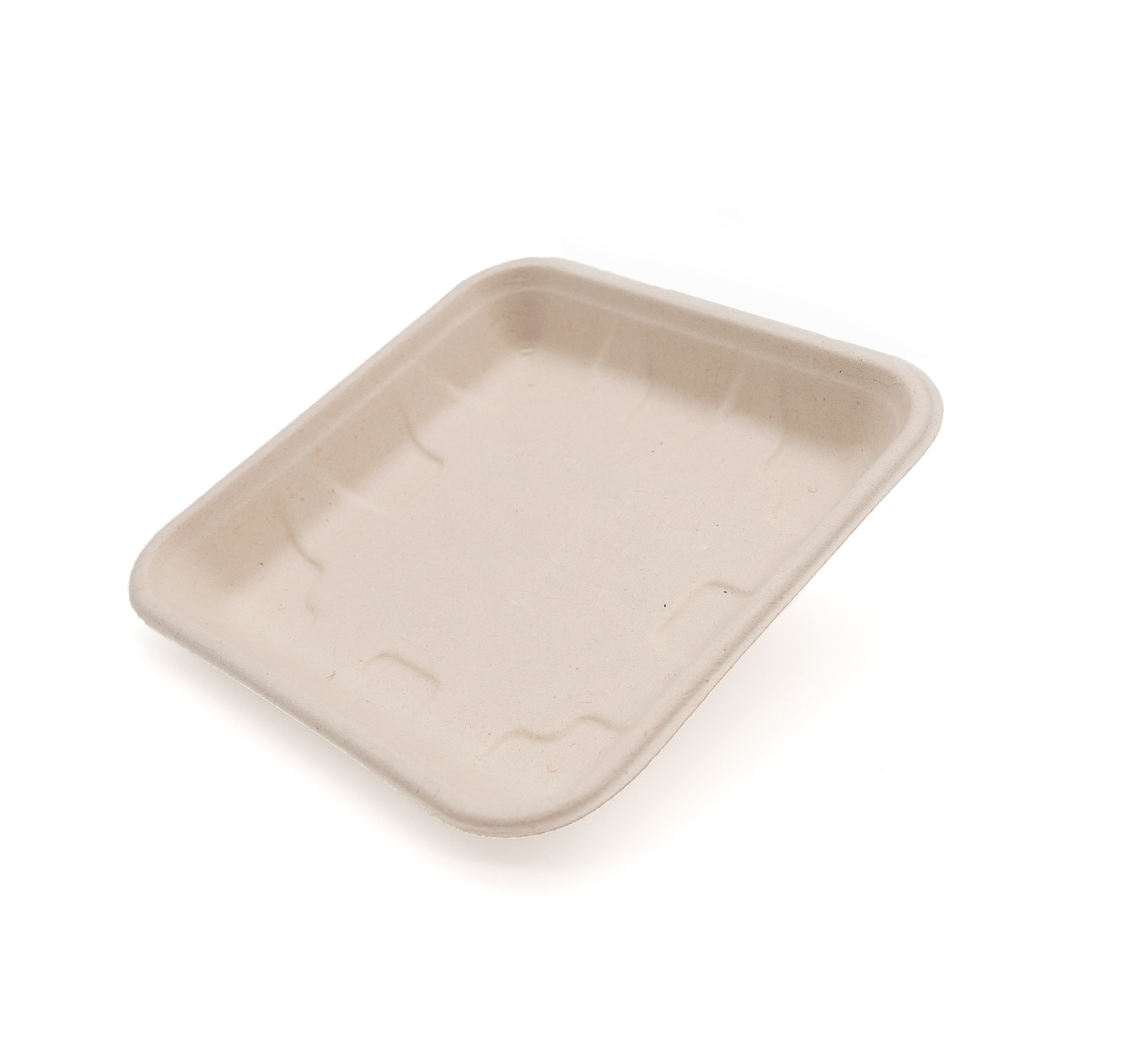
PFM Plus is frequently selected by buyers who want flexibility without overcomplication. Its sugarcane bagasse tray range covers a wide spread of sizes and compartment options, which makes it easier to standardise packaging across different vegetable offerings.
From a commercial perspective, PFM Plus works well as a custom sugarcane bagasse veggie tray manufacturer for catering distributors that serve varied menus. Volume pricing scales logically, and certification aligns with UK retail requirements. The trade-off is that the focus remains on commercial composting rather than home-compostable positioning, which may limit use in some consumer-facing brands.
② Deli Supplies
Deli Supplies approaches bagasse trays from a durability-first angle. Its moulded fibre trays are commonly used for hot food, which makes them suitable for vegetable sides that are roasted, fried, or served immediately after cooking.
This supplier is often evaluated by buyers seeking an odm compostable veggie tray supplier for takeaway operations where heat resistance and speed of service matter more than visual refinement. Smaller pack options lower the barrier for trial orders, while larger cases support repeat purchasing. Delivery reliability is a recurring reason buyers stay with this supplier.
③ BioPak UK
BioPak UK tends to enter procurement discussions when compliance is non-negotiable. Its BioCane range is clearly positioned around sugarcane bagasse, supported by a strong certification framework that includes ISO14001, BRC, and HACCP.
For larger organisations, BioPak functions well as an oem sugarcane bagasse veggie tray factory partner for institutional supply chains. Pricing is rarely the lowest at small volumes, but becomes competitive at scale. UK warehousing and dependable lead times reduce risk for buyers managing national or multi-site contracts.
④ Elpack
Elpack focuses on depth rather than breadth. Its bagasse trays are designed to hold larger or layered portions, which suits vegetables that require more vertical space, such as salads, mixed sides, or roasted root vegetables.
This makes Elpack appealing as a bagasse veggie tray manufacturer for restaurant chains where portion presentation and stacking efficiency are priorities. The neutral appearance supports private label use, and the simplified range reduces SKU complexity. Buyers typically choose Elpack for specific use cases rather than full menu standardisation.
⑤ Vegware
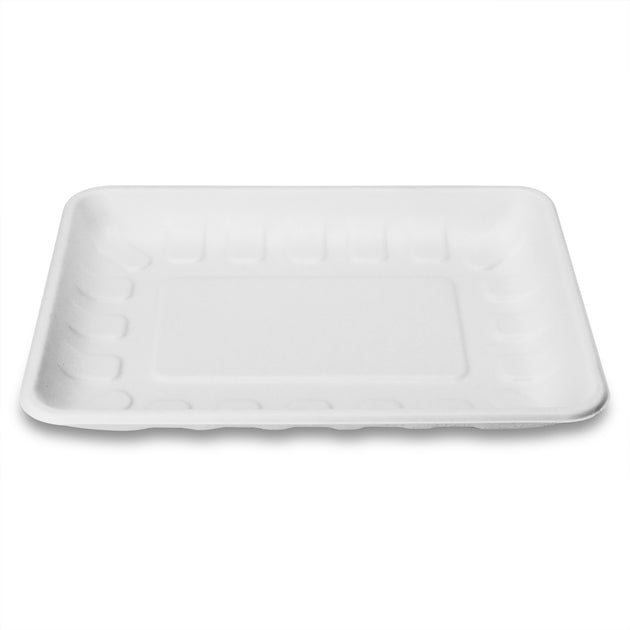
Vegware’s strength lies in accessibility. Its sugarcane-based moulded fibre trays are easy to source, clearly positioned as plastic-free, and supported by systems that suit smaller operators.
Independent buyers often view Vegware as a sustainable veggie tray supplier for independent wholesale buyers who need flexibility in order size without sacrificing compliance. While the product range is not as specialised as some competitors, the ease of ordering and consistent availability make it a practical choice for SMEs navigating packaging transitions.
Compostable, Biodegradable, Recyclable: Why the Difference Still Matters
In practice, many packaging failures come down to language. Compostable products certified to EN13432 are designed for industrial composting environments with defined timelines. Biodegradable products may degrade eventually, but under unclear conditions. Recyclable trays depend on local systems that often exclude food-contaminated fibre.
For UK buyers, sugarcane bagasse trays with verified commercial compostability offer the clearest route through this complexity. They reduce ambiguity during audits and help avoid claims that cannot be substantiated.
Placing the First Bulk Order Without Overcommitting
The first bulk order should function as a controlled test. Samples reveal more than datasheets ever will, especially when evaluated for oil resistance, heat stability, and stacking strength. Payment terms, delivery thresholds, and potential framework agreements should be discussed early, particularly for buyers with seasonal demand.
Working with a commercial compostable veggie tray manufacturer for long-term procurement often delivers more value than switching suppliers for marginal price differences. Stability, in many cases, becomes the real cost saver.
Closing Perspective
Sugarcane bagasse veggie trays are no longer experimental packaging in the UK. They are an operational response to regulation, cost transparency, and sustainability accountability. The suppliers outlined above serve different buyer profiles, from independent foodservice operators to national institutions. The right choice depends less on material claims and more on how well a supplier fits into an existing supply chain reality.