
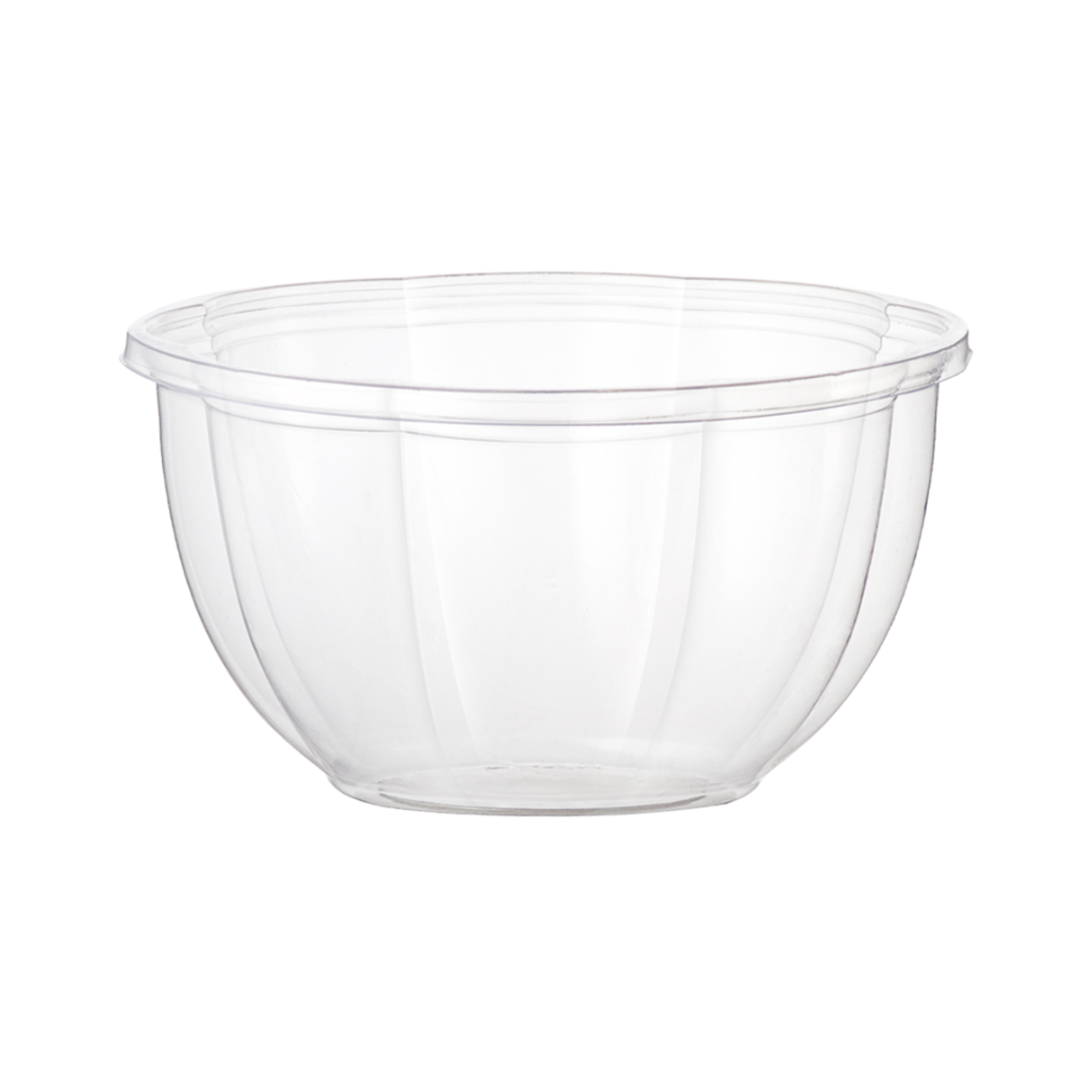
For Canadian ramen operators, disposable bowl sourcing has quietly shifted from a back-of-house decision into a front-line business concern. What once came down to cost and availability now intersects with municipal compost rules, heat performance failures, customer perception, and even brand positioning.
Many buyers begin with the same assumption: that PLA ramen bowls are widely manufactured and readily available in Canada. The reality is more nuanced. Pure PLA containers struggle with boiling broth and prolonged heat exposure, which is why the Canadian market evolved differently. Today’s viable solutions sit within a broader PLA-based ecosystem that blends lined paper, fiber composites, and compostable alternatives designed for real ramen service.
This article reflects how wholesale procurement actually works in Canada. Rather than chasing material labels, it focuses on manufacturers and suppliers whose bowls function under pressure, ship reliably, and meet environmental standards without compromising operations.
Why “PLA Ramen Bowls” Mean Something Different in Canada
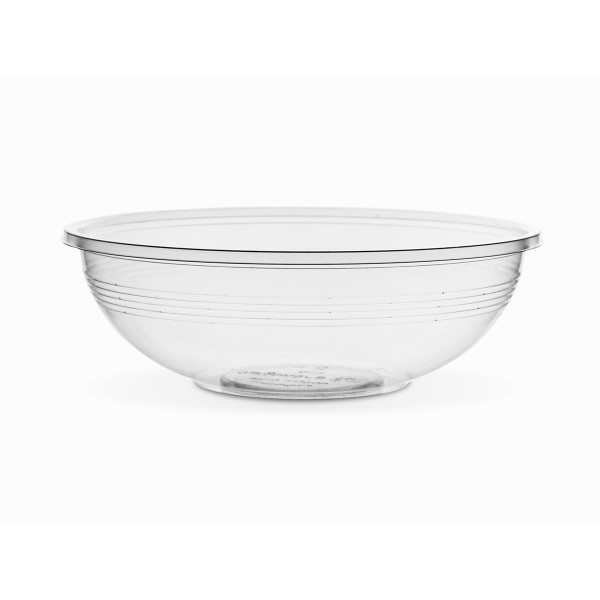
PLA, short for polylactic acid, is derived from renewable plant starches such as corn and sugarcane. While it carries compostable certification under industrial conditions, it is neither home-compostable nor structurally suited to direct contact with near-boiling liquids on its own.
That limitation explains why Canadian ramen bowls rarely use standalone PLA. Instead, PLA appears as a thin lining bonded to kraft paper or fiber substrates. This hybrid structure improves liquid resistance and grease control while preserving compostability compliance.
At the same time, many ramen kitchens now rely on bagasse or bamboo fiber bowls that contain no PLA at all. These materials tolerate heat more effectively, resist deformation, and align better with how Canadian municipalities process compostable waste. From a buyer’s standpoint, they solve the same problem PLA was meant to address—often more reliably.
Understanding this distinction matters. It separates marketing terminology from procurement reality and prevents costly mistakes when scaling supply.
How Experienced Buyers Evaluate Eco Ramen Bowl Manufacturers
Seasoned procurement teams rarely start with product photos. They begin by confirming certifications, asking whether claims are backed by BPI or EN 13432 documentation rather than vague “eco-friendly” language. Food-contact safety approvals are expected, not optional.
Beyond compliance, wholesale mechanics shape the decision. MOQ thresholds influence cash flow, while warehouse location affects lead times and reorder risk. A bowl that performs well but ships from outside Canada can introduce delays that disrupt daily service.
Equally important is transparency. Suppliers unwilling to disclose lining materials, heat tolerance data, or composting conditions tend to create problems down the line. Trust in this category is built through clarity, not branding.
KimEcopak and the Practical Reality of Canadian Ramen Service
Among domestic suppliers, KimEcopak aligns closely with how ramen is actually served in Canada. Its PLA-lined paper bowls cover a wide capacity range, including sizes that accommodate full broth volume without risking overflow or lid failure. The bamboo fiber option offers an alternative for kitchens prioritizing heat resistance.
What makes KimEcopak particularly relevant is its flexibility. Independent restaurants testing new locations can access stock bowls without overcommitting, while expanding brands can transition into custom ramen bowl manufacturer programs that support branded printing and private label packaging.
For buyers balancing sustainability goals with operational stability, this adaptability often proves more valuable than niche material claims.
Certification-Focused Procurement with Good Start Packaging
Some buyers operate within tighter compliance frameworks, especially those supplying institutions or multi-unit foodservice systems. Good Start Packaging appeals to this segment through its emphasis on documented compostability and standardized product specifications.
Its PLA-lined paper bowls are designed to integrate smoothly into established waste streams, making them suitable for distributors managing diverse client requirements. As a PLA ramen bowl supplier for foodservice distributors, Good Start Packaging prioritizes consistency and verification over customization, which simplifies procurement at scale.
Greenmunch and the Economics of Compostable Bowls

Not every ramen operation is positioned to absorb premium packaging costs. For price-sensitive buyers, Greenmunch provides compostable fiber bowls that perform reliably under hot soup conditions while remaining accessible.
These bowls are not design-forward, nor do they offer extensive branding options. Their value lies in predictable pricing and availability. For buyers sourcing large quantities with minimal customization needs, Greenmunch functions as a eco ramen bowl factory for bulk procurement where margins remain protected.
Genpak Canada’s Role in High-Volume Distribution
Large-scale foodservice buyers often measure success in pallets rather than pieces. Genpak Canada operates comfortably at this scale, offering PLA-lined and fiber-based bowls through a robust Canadian distribution network.
As a ramen bowl manufacturer for high-volume buyers, Genpak Canada emphasizes logistics reliability. Its bowls may not cater to niche branding requirements, but they meet operational expectations for consistency, delivery cadence, and inventory planning across multiple sites.
World Centric and Sustainability-Driven Branding
Although based in the United States, World Centric maintains relevance for Canadian buyers whose brand identity centers on environmental leadership. Its PLA-lined bowls are supported by strong sustainability messaging and transparent material sourcing.
World Centric often attracts operators positioning themselves at the premium end of the market. In this context, it acts as a OEM ramen bowl manufacturer for sustainable brands, provided buyers account for cross-border freight and currency considerations when calculating total cost.
Eco-Products and Cross-Border Standardization
For restaurant groups operating across North America, packaging consistency reduces complexity. Eco-Products offers PLA-lined ramen bowls that match specifications used widely in the U.S., simplifying SKU alignment.
This makes Eco-Products a logical compostable ramen bowl supplier for restaurant chains seeking unified standards rather than localized customization. Canadian distribution access further reduces lead-time uncertainty.
Vegware and Municipal Compost Compatibility
In some procurement environments, waste-stream compatibility outweighs all other factors. Vegware designs its PLA-lined bowls specifically to integrate with established composting systems.
For institutions and corporate dining programs, Vegware serves as a PLA-based ramen bowl supplier for institutional buyers where adherence to municipal compost requirements is non-negotiable and deviations can create compliance issues.
OEM and Private Label Considerations for Ramen Brands
Custom-branded bowls remain a strategic tool for differentiation, particularly in competitive urban markets. OEM and private label programs typically require higher minimums, longer lead times, and pre-production sampling to confirm print quality and food safety compliance.
While the upfront investment is higher, branded packaging often reinforces perceived value, especially for takeout-focused ramen concepts where the bowl becomes part of the customer experience.
Ordering with Fewer Surprises
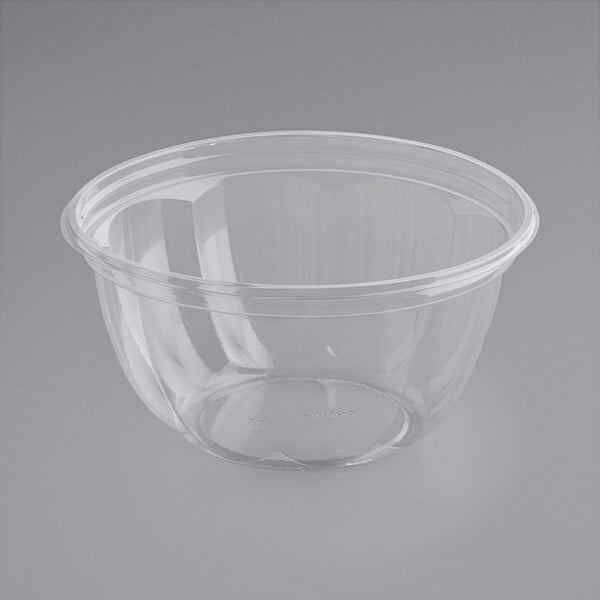
Many first-time buyers underestimate how bowl capacity and heat tolerance affect daily service. In practice, ramen portions perform best in the 32–44 oz range, where broth movement and topping weight are properly supported.
Equally important is planning reorder cycles with buffer stock. Compostable bowls are not immune to supply fluctuations, and having a secondary supplier can protect operations during peak seasons.
Closing Perspective for Canadian Wholesale Buyers
The Canadian market does not reward rigid definitions of PLA. It rewards solutions that work. The manufacturers discussed here represent suppliers whose products perform under real kitchen conditions, comply with environmental standards, and scale with business growth.
For wholesale buyers, the smartest sourcing decisions emerge not from chasing material labels, but from understanding how those materials behave once the broth is poured. In that context, informed procurement becomes less about packaging—and more about operational confidence.