
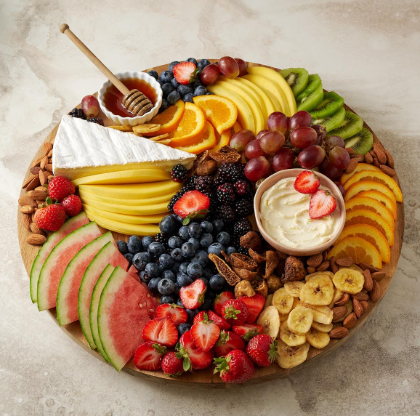
Most fruit and cheese trays that actually work don’t look like they were planned for very long. They feel relaxed, almost casual, as if someone simply knew when to stop adding things. That’s usually the difference. A simple tray isn’t about doing less work. It’s about not doing unnecessary work.
This applies whether you’re putting something together at home or looking at presentation guidelines from a custom fruit and cheese tray manufacturer for retail or foodservice use. The end goal is the same. Everything should feel easy to approach, both visually and practically.
Start With a Board That Doesn’t Demand Attention

The board matters, but only up to a point. Wooden boards tend to work best because they don’t feel precious. They handle repeated use well and don’t visually compete with the food. Marble and ceramic boards can look impressive, but they often feel heavier, both physically and visually, which isn’t always what you want for a simple setup.
Size is where most people misjudge things. A board that’s slightly too small quickly turns messy, while one that’s too large makes even generous portions look thin. The best choice usually sits somewhere in the middle, leaving enough space for separation without creating empty zones. This same balance shows up in standard sizing used by OEM fruit and cheese tray suppliers producing trays for wholesale programs.
As for shape, simple is usually safer. Rectangular boards guide the eye naturally. Round boards feel softer and more informal. Irregular shapes can be interesting, but they tend to complicate spacing and don’t offer much benefit beyond appearance.
Pick Cheeses That Don’t Fight Each Other
A common mistake is trying to include too many cheeses. A simple tray works better when each one has a clear role. One creamy option gives softness, one firmer cheese adds structure, and a slightly stronger choice brings contrast. That’s enough for most situations.
Soft cheeses create visual weight and invite people in. Firm cheeses hold their shape and keep the tray looking tidy over time. A bolder cheese should sit slightly off-center, noticeable but not dominant. This kind of balance is something ODM cheese tray manufacturers pay attention to when designing assortments meant to appeal to a wide audience.
Portions don’t need to be exact, but they should feel considered. Guests should be able to take what they want without leaving awkward gaps. Cutting style helps with that. Larger wedges feel generous, cubes create order, and thinner slices make firmer cheeses easier to handle. Mixing shapes adds interest without making the tray feel busy.
Let Fruit Carry the Visual Weight
Fruit does more visual work than cheese. Fresh fruit brings brightness and softness, while dried fruit adds density and color contrast. Used together, they make the tray feel complete without adding extra components.
Certain fruits show up again and again because they’re reliable. Grapes, berries, apple slices, and similar options hold up well and pair easily with most cheeses. Dried fruits help fill space naturally and guide the eye across the board. This approach is common in layouts developed by fruit and cheese tray factories for retail display.
Preparation is subtle but noticeable. Grapes look better in small clusters. Berries should be dry so they don’t dull surrounding textures. Apples need a little attention to keep their color. These details don’t draw attention to themselves, but people notice when they’re missing.
Use Crackers and Bread as Support, Not Filler
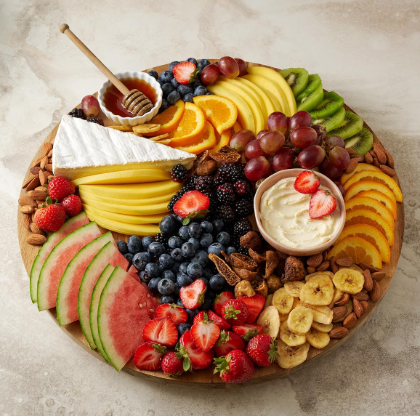
Crackers and bread are there to support the cheese, not to compete with it. Neutral crackers let flavors come through, while lightly seasoned ones add a bit of contrast. Bread, when used sparingly, softens the overall look and makes the tray feel more generous.
There’s no need to calculate exact numbers. Crackers should frame the cheeses rather than pile up beside them. If gluten-free options are included, giving them a little separation avoids confusion and keeps things comfortable for everyone. This is a common consideration for fruit and cheese tray manufacturers for wholesale buyers serving mixed groups.
Build the Tray in a Calm Order
The order you assemble the tray affects how it feels. Small bowls for honey or spreads go down first to anchor the layout. Cheeses come next, spaced so each one has its own area. Fruit fills the gaps and softens edges. Crackers and bread finish the frame. A small garnish at the end brings everything together.
Balance comes from variation, not symmetry. Colors should move across the board naturally. Heights should rise and fall without sharp jumps. Leaving some empty space is intentional, not a mistake. Overcrowding is one of the most common problems, usually caused by trying too hard to be generous. In practice, space makes the tray feel more confident, something custom cheese board suppliers understand well.
Extras Should Feel Optional, Because They Are
Nuts, condiments, and herbs can elevate a tray, but only when they’re used lightly. A small handful of nuts adds texture. One condiment introduces sweetness or acidity. Fresh herbs add aroma and a clean finish. Anything beyond that starts to feel forced.
This restraint mirrors how OEM fruit and cheese tray manufacturers approach composition, especially when trays need to look good without driving up cost or complexity.
Think Ahead, but Finish Close to Serving

Some prep can happen early, but final assembly shouldn’t. Cheese tastes better after resting at room temperature, and fruit looks fresher when handled closer to serving time. Storage should protect the tray without compressing it.
If the tray has been chilled, a quick refresh helps bring everything back into balance. Small adjustments go a long way, particularly in settings where presentation matters.
Use Tools That Feel Natural
Serving tools should make things easier, not more formal. Soft cheeses benefit from their own knives, while firmer cheeses can share. Small forks or picks keep things tidy. When proper tools aren’t available, simple alternatives work just fine, something even fruit and cheese tray factories for wholesale buyers plan for when designing scalable solutions.
Why Simple Trays Work Every Time
A simple fruit and cheese tray succeeds because it doesn’t try to prove anything. It feels approachable, balanced, and complete. That same mindset shapes successful products from custom fruit and cheese tray manufacturers, where clarity often matters more than decoration.
When everything has room to breathe, the tray feels effortless. And that effortless feeling is what people remember.