
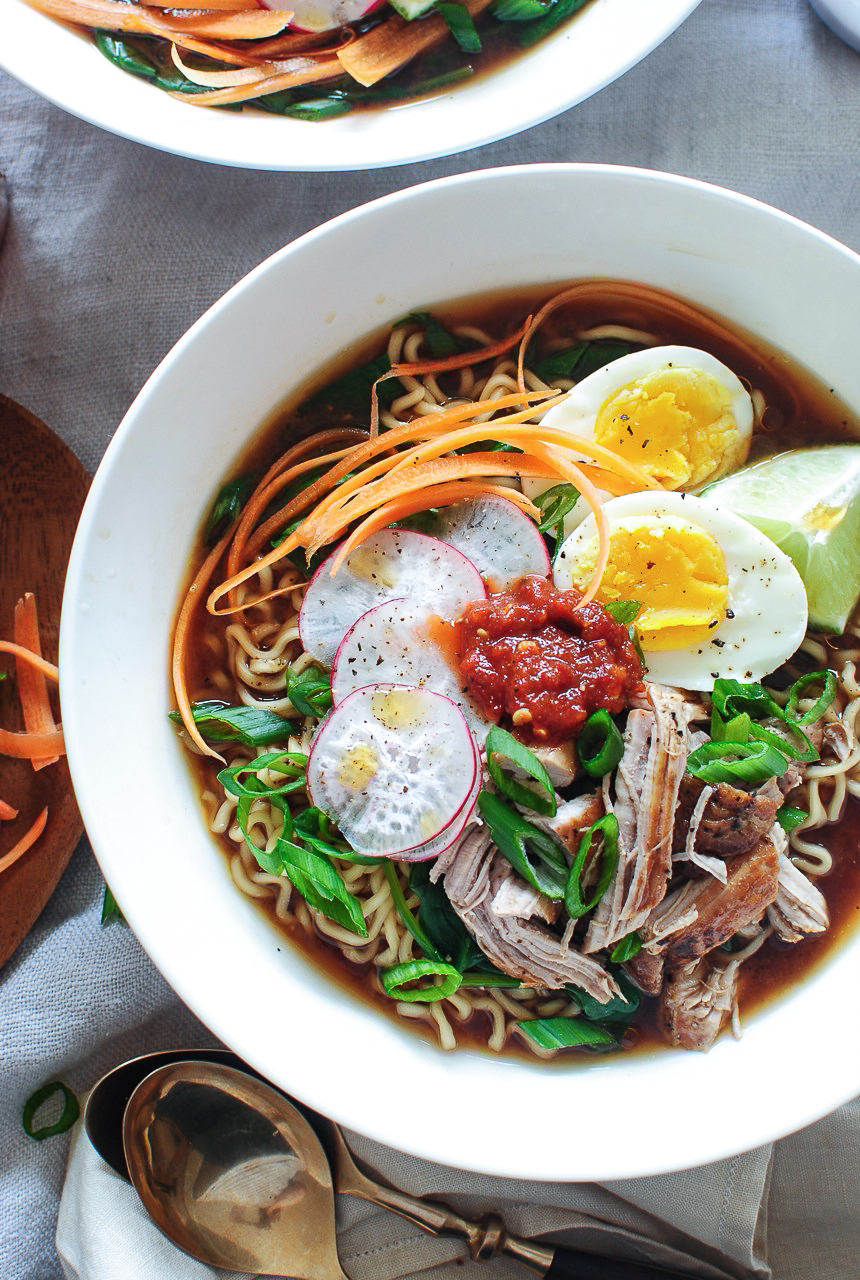
If you’ve ever tried making ramen at home and walked away thinking, “This feels like too much work for one bowl,” you’re not alone. I had the same reaction the first few times. What finally clicked wasn’t a better recipe, but a different expectation. Homemade ramen isn’t a restaurant replica. It’s a personal version that fits your kitchen, your timing, and your habits.
Once you stop chasing a perfect copy, ramen becomes surprisingly approachable.
What a Ramen Bowl Means at Home
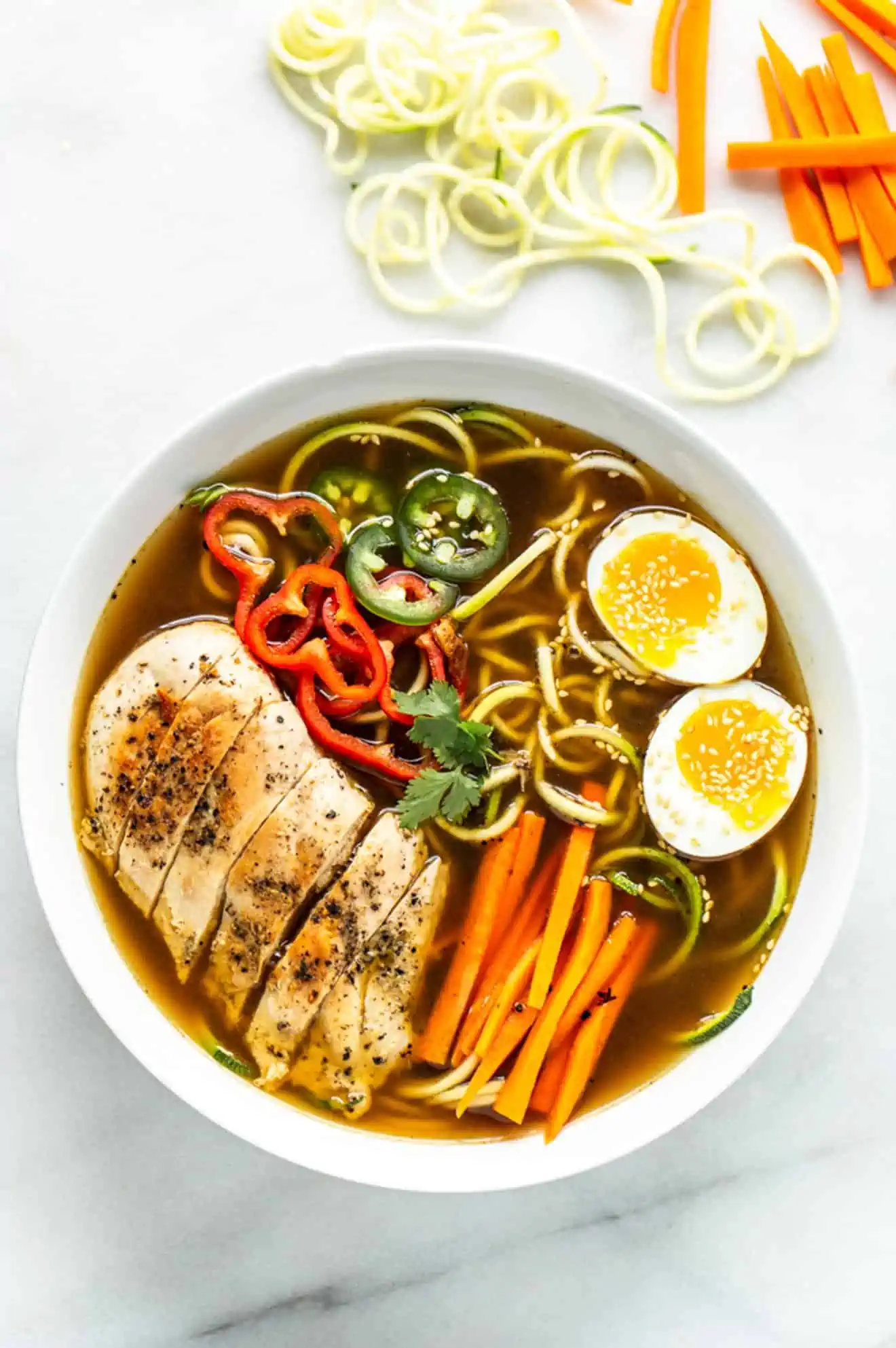
Outside a restaurant, a ramen bowl plays a different role. It’s not about presentation or strict rules. It’s about how broth, noodles, and toppings come together in a way that feels complete when you sit down to eat.
At its core, the structure stays simple. There’s liquid, there’s starch, there’s something savory, and there’s something fresh. When a bowl feels “off,” it’s usually because one part overwhelms the others, not because an ingredient is missing.
That same balance-driven thinking is exactly how a custom ramen bowl manufacturer approaches product design—starting from how people actually interact with the bowl, not how it looks in isolation.
Picking Ingredients Without Turning It Into a Project
One of the easiest ways to make ramen stressful is to treat it like a checklist. In practice, ramen works better when you adapt to what you already have.
A basic chicken or vegetable stock is enough to carry flavor. Dried wheat noodles are consistent and forgiving. One protein is plenty. A handful of vegetables adds contrast and texture.
If you don’t have miso paste, the bowl doesn’t collapse. If you skip kombu, nothing breaks. Flavor comes from how ingredients layer, not from how rare they are. Some of my most satisfying bowls came from whatever was left in the fridge.
This flexibility is why ramen adapts so well across different settings, whether you’re cooking at home or sourcing packaging from a ramen bowl supplier for bulk buyers serving varied food concepts.
Storage matters more than shopping lists. Broth keeps. Fresh vegetables don’t. Plan around that reality and things fall into place.
Setting Up the Kitchen So Cooking Feels Manageable
Ramen doesn’t demand special tools, but it does demand attention. One pot large enough to stir comfortably, a strainer, and a ladle are enough to get through the process without friction.
What helps most is having everything ready before heat comes into play. Once the stove is on, the pace changes quickly. That shift is where people usually feel rushed.
This workflow-first approach mirrors how an OEM ramen bowl factory thinks about efficiency—designing for movement and timing, not just aesthetics.
Prep That Actually Affects the Final Bowl
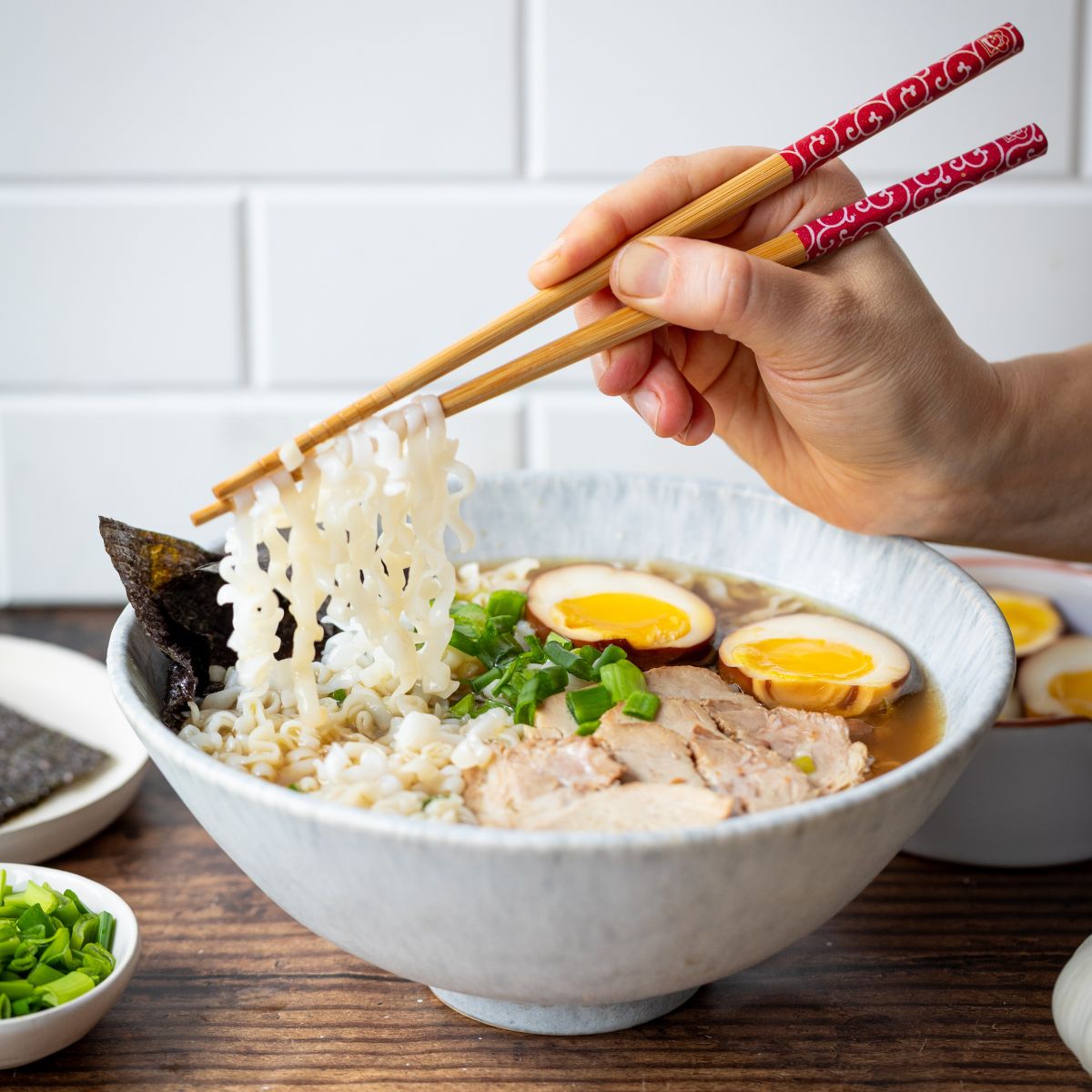
Vegetables respond differently depending on how they’re cut. Thick mushroom slices hold texture. Thin ones melt into the broth. Bok choy behaves better when stems and leaves are separated. These choices matter more than exact measurements.
Garlic and ginger should be fine enough to release aroma, but not crushed into paste. Protein benefits from being sliced evenly and against the grain. Marinades help, but even slicing helps more.
This stage doesn’t feel exciting, but it removes most of the stress later.
Building a Broth That Feels Natural, Not Forced
The temptation with ramen broth is to push too hard, too fast. High heat, heavy seasoning, long simmering. Most of the time, that works against you.
Start gently. Medium heat. Aromatics just until fragrant. Burnt garlic has a way of taking over everything. Once liquid goes in, seasoning should come in layers, not all at once. Soy sauce integrates early. Miso prefers lower heat and patience.
Five minutes of simmering gives clarity. Ten minutes gives cohesion. Beyond that, the gains flatten out. This kind of restraint is also why a ramen bowl manufacturer for foodservice solutions prioritizes speed and consistency over complexity.
Cooking Noodles Without Guessing
Noodles are the backbone of the bowl. If they’re overcooked, nothing else can save the texture.
Fresh noodles cook quickly and need attention. Dried noodles offer more margin for error. Instant noodles can work surprisingly well if you treat them gently.
Cooking noodles separately gives you control. Taste matters more than timers. You’re looking for resistance, not softness. That final bite should feel intentional.
This same detail-oriented thinking is why ramen bowl factory partners for wholesale buyers focus on heat retention without overcooking noodles once they hit the bowl.
Adding Vegetables and Protein at the Right Moment
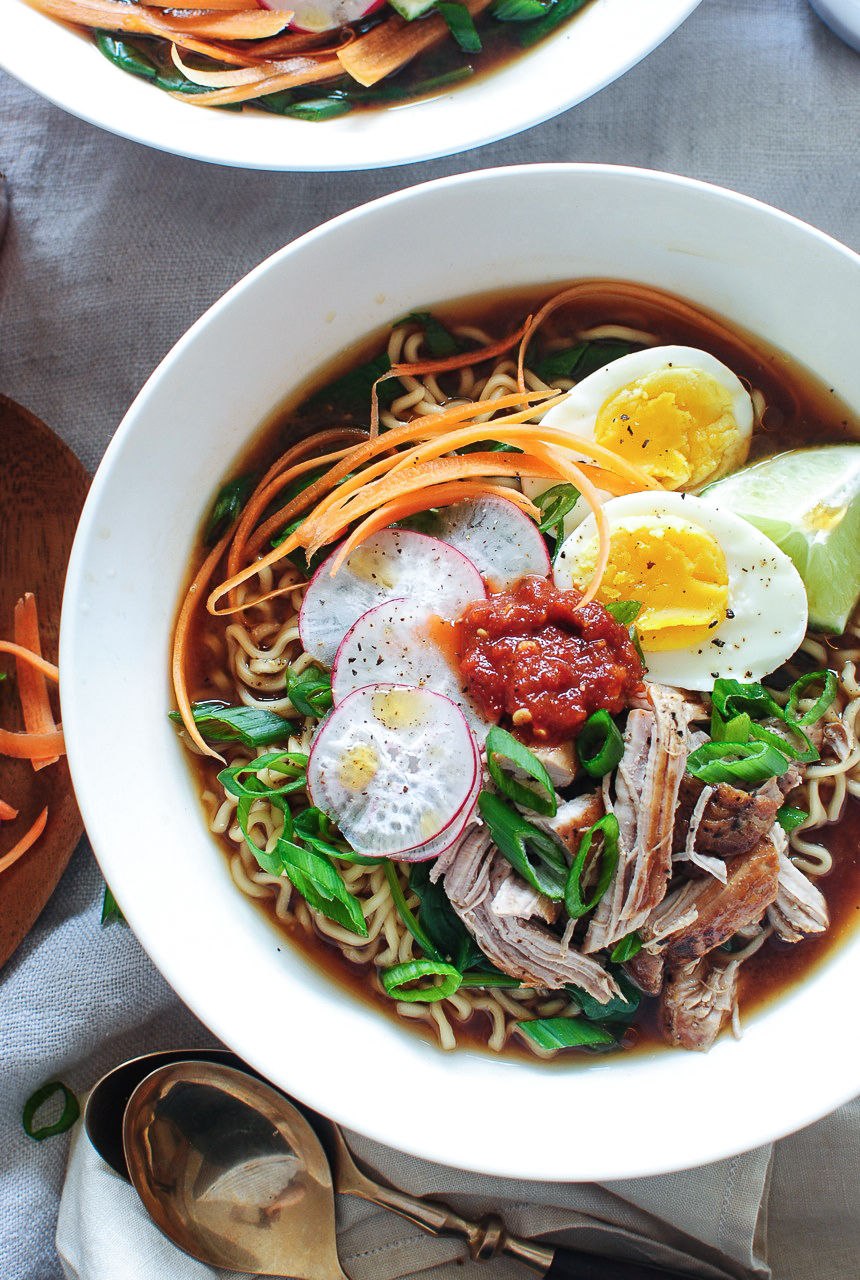
Order matters less than timing. Dense vegetables go in first. Delicate greens need only seconds. Thin proteins cook almost instantly once submerged.
Watch color and texture instead of counting minutes. When vegetables brighten, they’re close. When protein firms slightly, it’s ready. These cues are more reliable than instructions.
Eggs Without the Pressure
Soft-boiled eggs sound intimidating, but they’re forgiving. Six minutes is a reference point, not a law. Egg size and starting temperature change the outcome more than most people expect.
An ice bath helps. Peeling from the wider end helps more. If the peel tears, it’s still good. Ramen doesn’t require perfection.
That acceptance of variation is the same principle a private label ramen bowl manufacturer works with—consistent experience, not identical outcomes.
Assembling the Bowl So It Eats Well
Assembly isn’t about looks. It’s about how the bowl functions once you start eating.
Noodles should sit loosely so broth can circulate. Too much liquid dulls flavor. Too little makes the bowl feel heavy. Toppings should be reachable, not buried.
Warm bowls help maintain temperature, but speed matters more. Heat carries aroma, and aroma does a lot of the work. That’s why a sustainable ramen bowl packaging manufacturer pays attention to insulation and handling, not just materials.
Adjusting Flavor Without Starting Over
Ramen is adaptable. If it leans salty, dilute. If it feels flat, add aromatics. If it’s too rich, vegetables usually fix it faster than seasoning.
Heat can always be added later. Vegetarian versions benefit from mushrooms more than substitutions. Small changes add up quickly.
This adaptability is also why ramen scales so well, from home kitchens to operations supported by a ramen bowl supplier serving foodservice operations.
Making Ramen a Habit, Not a One-Off
If you plan ahead, ramen becomes easier each time. Store broth separately. Reheat gently. Keep noodles and toppings apart until the last moment.
Once the rhythm settles in, ramen stops feeling like a project. It becomes a flexible routine. That’s true whether you’re cooking for yourself or working with an ODM ramen bowl manufacturer focused on repeatable results.
At home, ramen doesn’t need to impress anyone. It just needs to feel right when you take the first bite—and usually, that’s enough.