
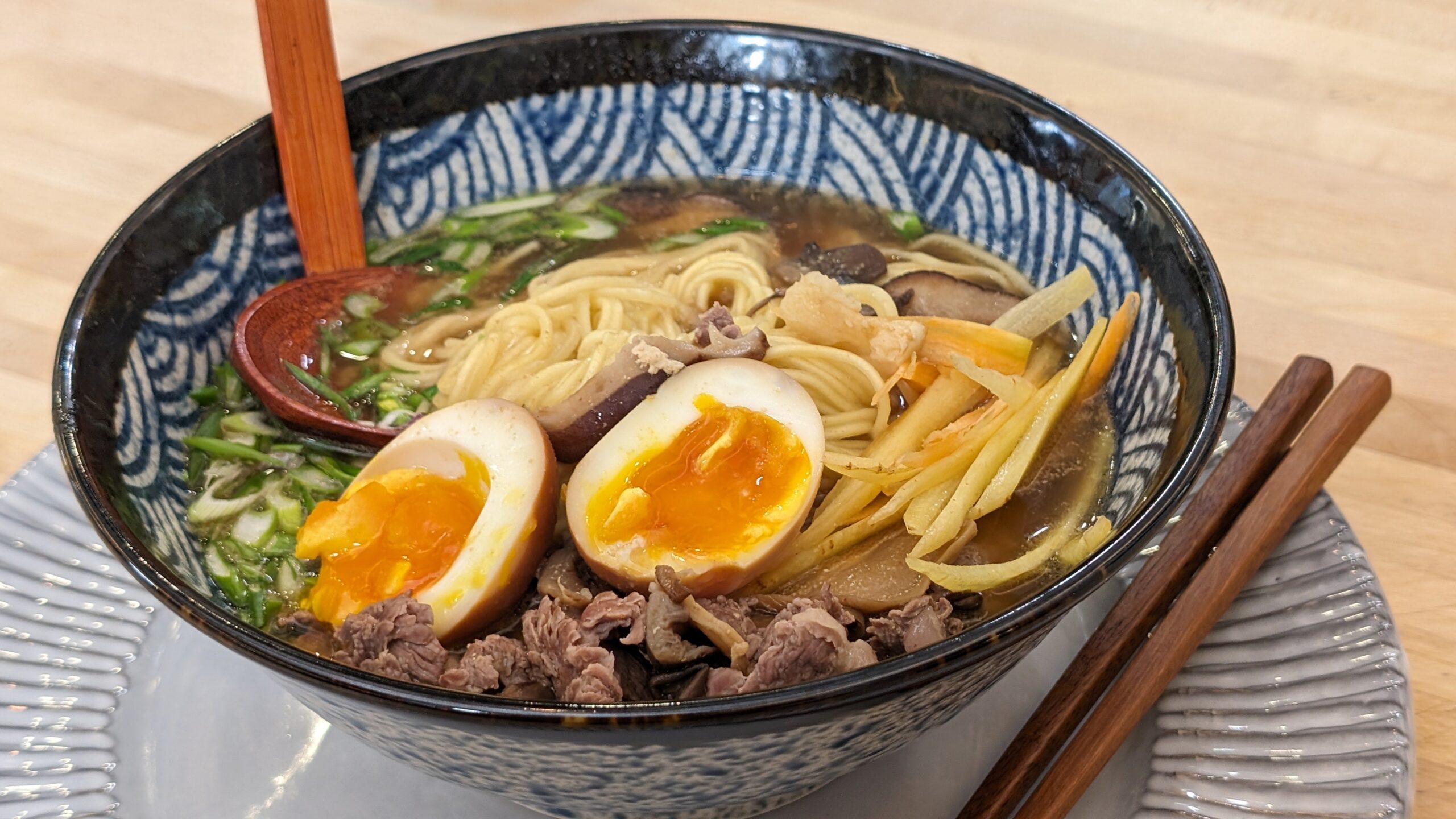
If you’ve eaten ramen enough times—especially outside instant noodles—you eventually notice something curious. The noodles change. The broth changes. Even toppings evolve. But the bowl almost always looks intentional. Heavier than expected. Deeper than it seems. Somehow better suited for ramen than for anything else.
That’s not accidental.
What People Really Mean When They Say “Ramen Bowl”
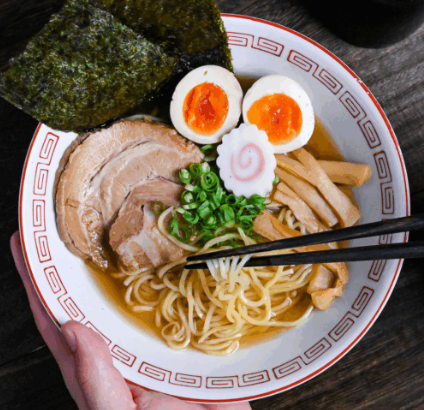
A ramen bowl isn’t just a bowl that happens to hold soup. In practice, it’s a serving vessel shaped around how ramen behaves once hot broth, wheat noodles, oil, and toppings come together. Compared with a regular soup bowl, a ramen bowl tends to be wider, deeper, and noticeably heavier, especially when made from ceramic.
Most traditional designs land somewhere around 800 to 1200 milliliters. That range exists because ramen needs room to breathe. Too small, and the noodles compress. Too shallow, and the broth cools too fast. Too wide, and everything spreads thin. Over decades, that balance quietly settled into what diners now recognize as “normal.”
In commercial contexts, especially restaurants that serve ramen daily, this balance is often refined further through collaboration with a custom ramen bowl manufacturer, where volume, wall thickness, and even rim angle are adjusted to match a specific menu.
Why the Bowl Matters So Much in Japanese Ramen Culture
In Japan, ramen isn’t treated as a generic soup. It’s built around contrast—hot and rich broth, elastic noodles, fresh toppings—and the bowl acts as the container that keeps those elements in tension.
Clear broths like shoyu or shio benefit from bowls that show depth and clarity. Richer styles like miso or tonkotsu rely more on heat retention and stability. Even how fast a customer eats matters. In some regional styles, ramen is meant to be consumed quickly, while the broth is still at peak temperature.
Restaurants pay attention to this more than people realize. Many chains work with a ramen bowl supplier for foodservice operations simply because inconsistent bowls lead to inconsistent experiences, even when the recipe stays the same.
At home, the rules loosen. Comfort, storage, and versatility often matter more than strict tradition.
How Ramen Bowls Drifted Into Other Dishes
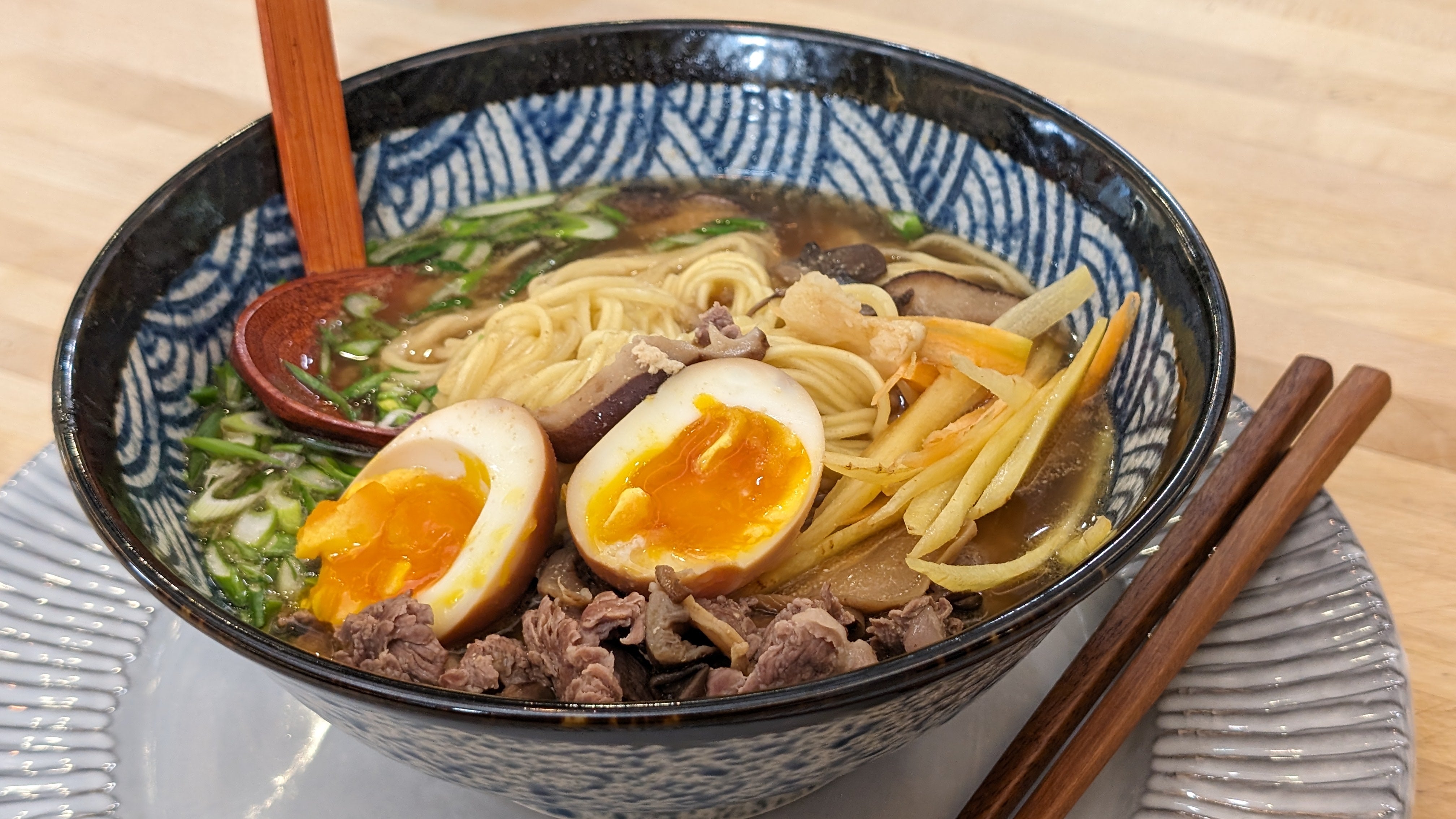
Over time, ramen bowls escaped their original lane. Walk into a modern kitchen and you’ll see them holding udon, soba, rice bowls, even Western-style soups. That shift wasn’t cultural appropriation—it was practicality.
The shape works. Deep enough for liquids. Wide enough for toppings. Stable enough for hot food. As dining habits changed, people wanted fewer dishes that could do more.
This is where instant ramen also played a role. Lighter, smaller bowls—often melamine—became common, especially for casual settings. Brands experimenting here often lean on an OEM ramen bowl factory to dial in durability without losing the familiar ramen silhouette.
Kodai Don: The Bowl Most People Picture First
If you imagine a “classic” ramen bowl, it’s probably a Kodai Don, whether you know the name or not. The raised foot at the bottom does more than look traditional. It lifts the bowl slightly, making it easier to hold and reducing direct heat transfer to tables.
The rim curves inward just enough to guide soup comfortably while eating. This subtle shape is one reason Kodai Don works so well with lighter broths, where aroma and balance matter more than sheer volume.
Because of its reliability, this style is widely adopted by restaurants sourcing from a ramen bowl factory for restaurant brands, especially when consistency across locations is a priority.
Kittate Gata: Built for Speed and Stacking
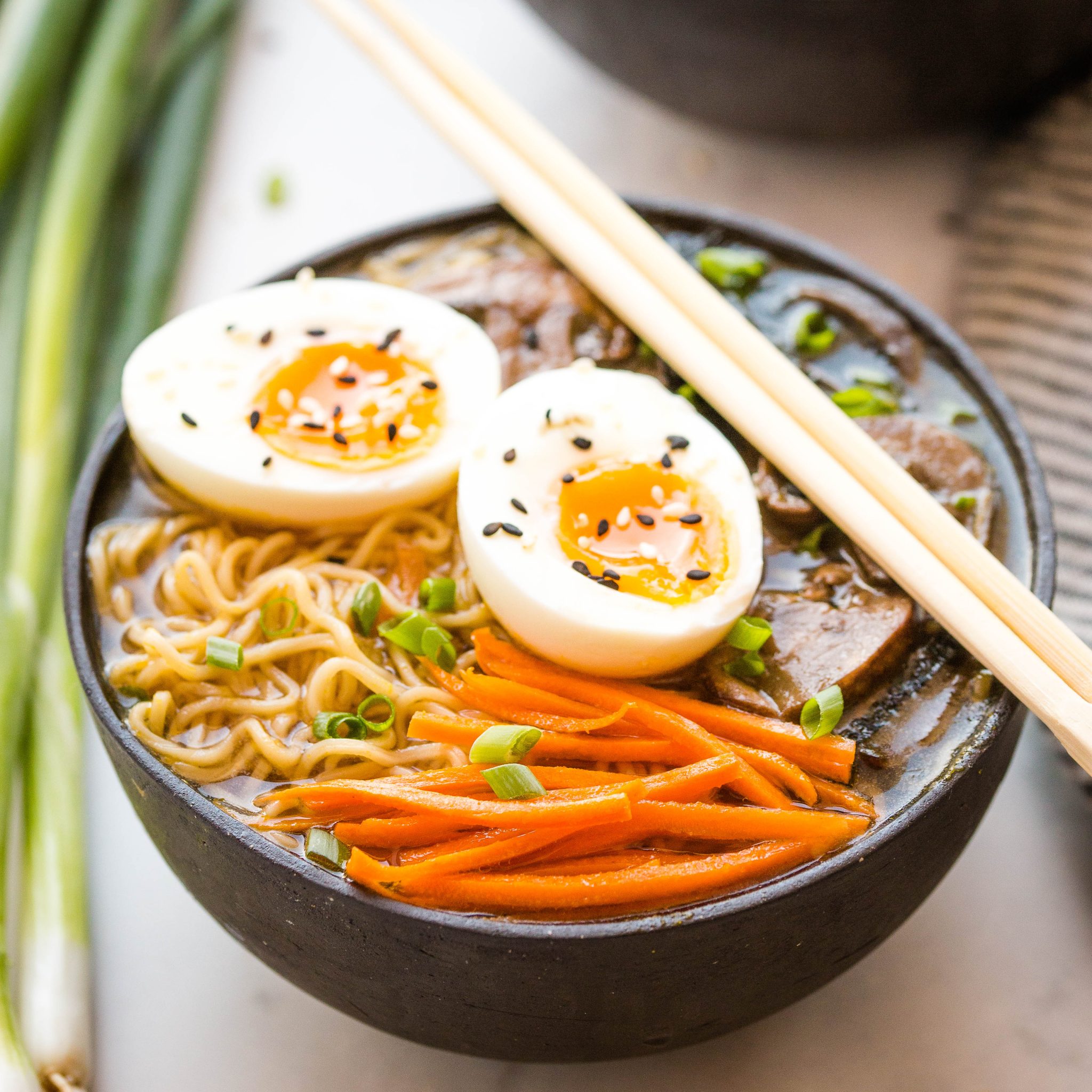
Kittate Gata bowls feel more compact. Straight sides, lower height, and a no-nonsense profile. These bowls don’t try to impress visually; they’re built for function.
Noodles stay closer to the surface. Toppings don’t drift. Bowls stack neatly in tight kitchen spaces. In fast-paced ramen shops—especially those serving Hakata-style tonkotsu—this design fits the rhythm.
For operators focused on efficiency, it’s common to source these through a bulk ramen bowl manufacturer, where storage and durability matter as much as appearance.
Sori Gata: When Aroma Becomes the Priority
Sori Gata bowls flare outward at the rim, and that small design choice changes how ramen smells before it’s even tasted. Steam spreads wider, carrying aroma upward rather than straight out.
This style feels more relaxed. More personal. It’s popular in homes and in restaurants serving lighter soups where the scent of the broth plays a bigger role in enjoyment.
Designers working on these bowls often collaborate with a ramen bowl supplier offering ODM solutions, tweaking rim angles to enhance comfort without exaggeration.
Tamabuchi Don: Made for Heavy, Rich Ramen
Tamabuchi Don bowls feel substantial. Rounded rims create a smooth lip feel, and the wider base supports larger portions without tipping. These bowls shine when the ramen itself is dense—thick miso broth, heavy toppings, long eating time.
Heat retention matters more here, which is why ceramic versions dominate this category. Many premium restaurants prefer sourcing from a ceramic ramen bowl manufacturer for hospitality use, where weight and finish signal quality to the diner.
Multi-Purpose Bowls and Hybrid Choices
Not every bowl commits fully to ramen. Some designs intentionally sit in the middle, able to serve ramen one day and rice bowls the next. Tayou Don and similar hybrids exist because not every kitchen wants specialization.
Larger bowls like Jukkoku-bachi emphasize abundance, while specialized forms like Tatsuda-bon separate noodles and dipping broth for tsukemen. These niche designs often come from a ramen bowl producer for wholesale buyers in regional markets, where menu variety drives demand.
How Bowl Shape Quietly Changes the Eating Experience
A narrow bowl concentrates heat. A wide one spreads aroma. A deep bowl keeps broth hot longer, while a shallow one cools faster but looks fuller. None of this is theoretical—it’s felt while eating.
That’s why procurement teams increasingly work with a ramen bowl manufacturing partner providing custom specifications, aligning bowl geometry with how a dish is meant to be eaten, not just how it looks on the table.
Size, Capacity, and What Feels “Right”
Around 800 milliliters has become the unspoken standard for restaurant servings. Larger bowls—1200 milliliters or more—support richer, topping-heavy ramen where visual impact matters.
Instant ramen bowls tend to be smaller and lighter, often melamine. Authentic ramen leans ceramic. Choosing between them often involves working with a ramen bowl supplier for international wholesale channels that understands portion norms across markets.
Ceramic or Melamine: Not Just a Cost Question
Ceramic holds heat better and feels more substantial. Melamine lasts longer in high-turnover environments and weighs less. Neither is objectively better; they simply solve different problems.
Restaurants, cafés, and home users all prioritize differently, which is why many brands prefer a ramen bowl factory offering OEM and ODM services, allowing material choices to align with actual use.
Traditional Patterns That Still Matter
Designs like Raimon patterns or dragon motifs aren’t decorative accidents. They signal strength, celebration, continuity. Even modern minimalist bowls often reference these traditions quietly, through color or texture rather than illustration.
Balancing heritage with modern taste usually involves a ramen bowl manufacturer supporting branded tableware projects, where design choices carry cultural weight as well as visual appeal.