
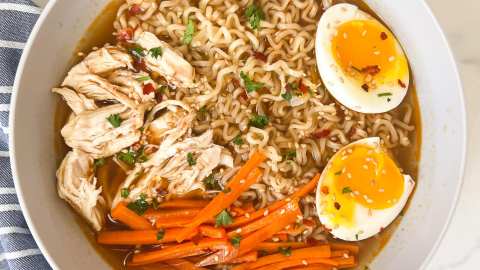
Understanding Ramen Calories: Why the Numbers Vary So Much

When people ask how many calories are in a ramen bowl, they usually expect a straight number. Something tidy. Something that fits into a tracking app. Ramen refuses to cooperate with that expectation.
The first problem is that ramen is not assembled with measurement in mind. It is built with feeling. A cook tastes the broth, adds oil if it feels thin, adds more tare if it tastes flat. Portions follow the bowl, and the bowl often comes from a ramen bowl manufacturer supplying restaurant-grade ceramics, which already assumes a generous volume.
This is why one bowl of ramen can quietly sit around 450 calories while another, visually similar bowl creeps past 1,200. The surface tells you almost nothing. The calories live underneath, dissolved into fat, suspended in broth, hiding where you don’t usually look.
Another detail that rarely gets mentioned is intent. Some ramen is meant to comfort after work. Some is meant to show off. Some is designed to leave you full for hours. Calories are a consequence, not a goal.
Calories by Ramen Style: Not All Bowls Are Equal
Style matters more than brand names or toppings lists. Tonkotsu ramen earns its reputation honestly. Pork bones boiled until they surrender everything create a broth that coats your mouth. That texture comes with energy. Even before you add meat, tonkotsu carries weight.
Miso ramen behaves differently. It looks lighter than tonkotsu, but fermented paste has density. Add butter, which is common in colder regions, and the bowl changes character completely. Shoyu and shio ramen often feel safer to calorie-conscious diners, but even these can surprise you depending on how much oil is floating on top.
Restaurants do not randomly choose bowl sizes. Many source deeper bowls from a ceramic ramen bowl supplier for foodservice use because certain styles demand visual depth. That extra depth almost always means more broth, and more broth usually means more calories.
Noodles: The Silent Calorie Base
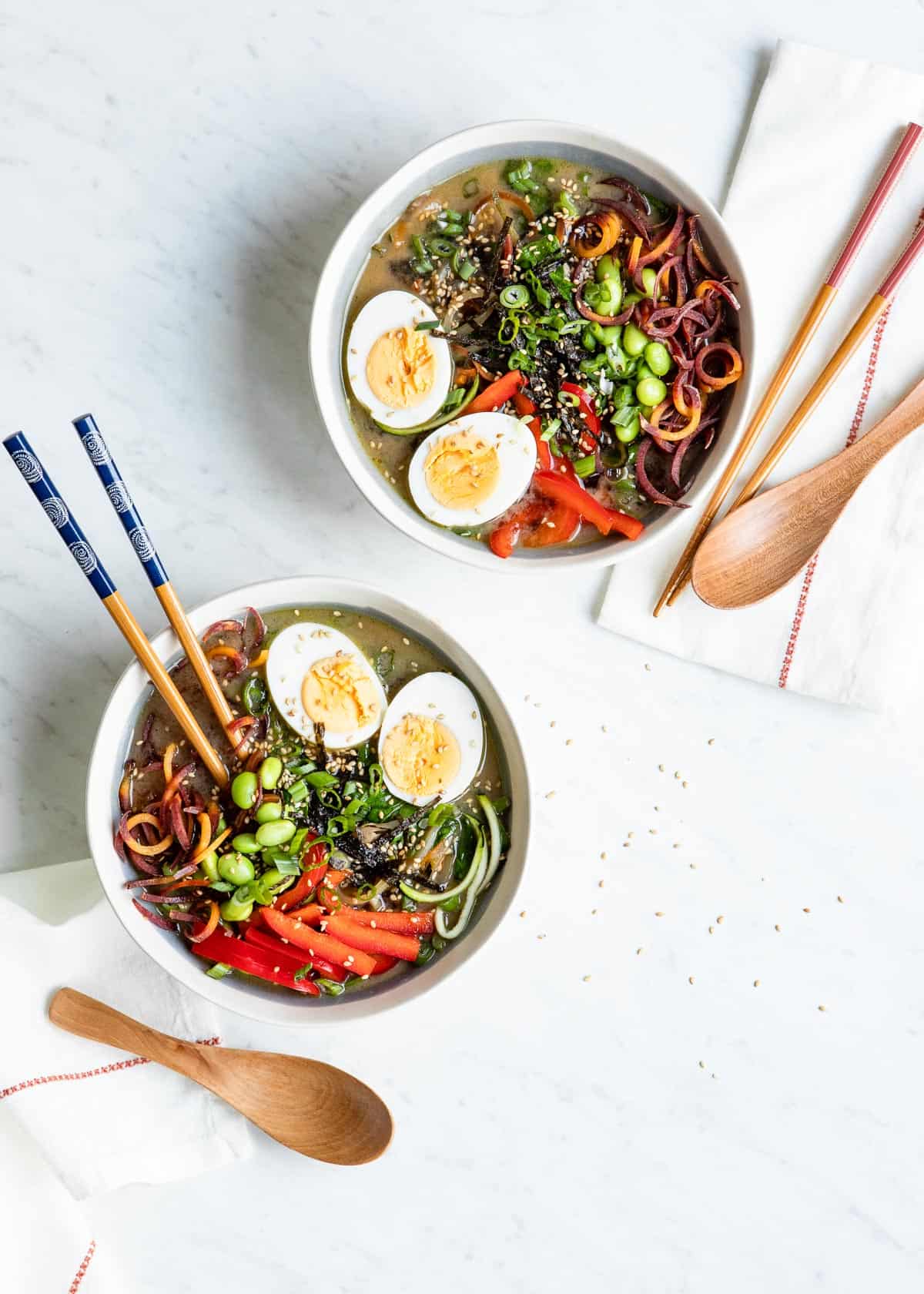
It is easy to blame the broth, but noodles quietly do most of the work. A standard portion of fresh wheat noodles carries a few hundred calories before anything else touches the bowl. Once submerged, they stop looking substantial, which makes them easy to forget.
Extra noodles complicate things further. Kaedama is culturally normal in many ramen shops. From a nutritional point of view, it is essentially ordering seconds while pretending it is still the same meal.
Instant ramen exposes this reality. Strip away the toppings and oils, and the noodles are still doing the heavy lifting. Bowl design even influences how noodles behave. Factories acting as an OEM ramen bowl manufacturer often adjust internal curvature to keep noodles from clumping too tightly, subtly affecting perceived portion size.
Broth: Where Ramen Calories Really Hide
Broth is deceptive. Clear broths can be relatively light, sometimes contributing fewer calories than expected. Creamy broths can look similar in volume while carrying far more energy.
Fat is the obvious factor, but sodium changes perception too. High-sodium broth makes you thirsty, which often leads to drinking more soup than planned. That alone can shift a bowl from moderate to heavy without any toppings changing.
Heat matters as well. Footed bowls slow heat loss. Many shops intentionally source these from a Japanese ramen bowl factory for wholesale buyers so the broth stays hot longer. Hot broth is easier to drink slowly, which encourages finishing the bowl.
Toppings That Change Everything

Toppings are where calorie math breaks down. A few slices of chashu can quietly add several hundred calories, especially when the pork is fatty and glazed. A soft-boiled egg adds fat along with protein. Butter, corn, and fried garlic rarely look dangerous, but they stack.
What makes toppings tricky is that restaurant portions do not match nutritional databases. What is listed as a “serving” on paper is often much smaller than what arrives at the table. The bowl allows that generosity. Wide rims and deeper profiles sourced from a custom ramen bowl manufacturer make heavy toppings look balanced rather than excessive.
Oils, Seasonings, and Extras People Forget to Count
If ramen smells good, oil is involved. Garlic oil, chili oil, sesame oil, pork fat. These sit on the surface and deliver flavor instantly. They also deliver calories instantly.
Instant ramen hides this even better. The seasoning packet looks harmless, but it carries fat, salt, and sugar compressed into a small space. Use the whole packet and the bowl changes category.
Restaurants know this. Many design their flavor profile around aroma oils because they create impact fast. That indulgence is intentional, supported by bowls sourced from a ramen bowl supplier for commercial kitchen operations that handle hot, oily soups daily.
When Ramen Turns Into a Calorie Bomb
Some ramen bowls are not pretending to be restrained. Limited editions, mega bowls, and house specials are built to impress. Double noodles, multiple proteins, thick broth, heavy toppings. Calories climb quickly.
These bowls are experiences, not everyday meals. Diners usually know that when they order them. Understanding this context matters more than the number itself.
Oversized servings require physical support. Companies operating as a ramen bowl factory for bulk restaurant orders often reinforce walls and bases for exactly these bowls, knowing they will be filled to the edge.
Lower-Calorie Choices That Still Feel Like Ramen
Lowering ramen calories does not mean removing pleasure. Drinking less broth often removes a large chunk of calories without touching noodles or toppings. Switching one topping can change the entire profile.
Instant ramen behaves the same way. Less seasoning, more vegetables, different protein choices. The bowl stays comforting, just quieter.
This flexibility explains why ramen adapts so easily across markets, whether served in handmade ceramics or standardized vessels from a ramen bowl supplier for international wholesale buyers.
Beyond Calories: Why Some Ramen Feels More Filling
Calories alone do not explain fullness. Protein, fat type, and eating speed matter. A bowl with more protein can feel heavier than one with more carbs, even if the numbers look similar.
Ramen’s lack of fiber also plays a role. It satisfies quickly but fades faster. Pairing it with vegetables changes that dynamic without altering the core experience.
Making Ramen Fit Your Diet Without Overthinking It
Ramen works best when treated honestly. It is not a daily staple for most people, and it does not need to be. Paying attention to broth richness, toppings, and portion habits usually matters more than tracking exact numbers.
On days when ramen is the focus, balance tends to happen later without effort. This mirrors how ramen has always been eaten. Whether served in a handcrafted bowl or a standardized vessel from a ceramic , ramen remains a meal built around warmth, satisfaction, and choice rather than calculation.