
For most wholesale buyers, importing fruit trays from China is not a new idea. What usually causes hesitation is not the sourcing itself, but the uncertainty around quality consistency, food-contact compliance, and whether the final landed cost still makes sense once everything is added up.
China remains one of the most competitive manufacturing bases for disposable and reusable fruit trays. Capacity is not the issue. Risk management is. This article focuses on the decisions that actually reduce risk for B2B importers buying in volume, rather than repeating generic trade procedures.
Finding Reliable Fruit Tray Suppliers in China
The supplier you choose will determine how much control you really have later. That is not an exaggeration. Many downstream problems can be traced back to early supplier selection.
Most buyers start on large B2B platforms. That is fine. What matters is not which platform you use, but how you read the information on it. Platform labels, rankings, or response rates rarely tell the full story. They are signals, not guarantees.
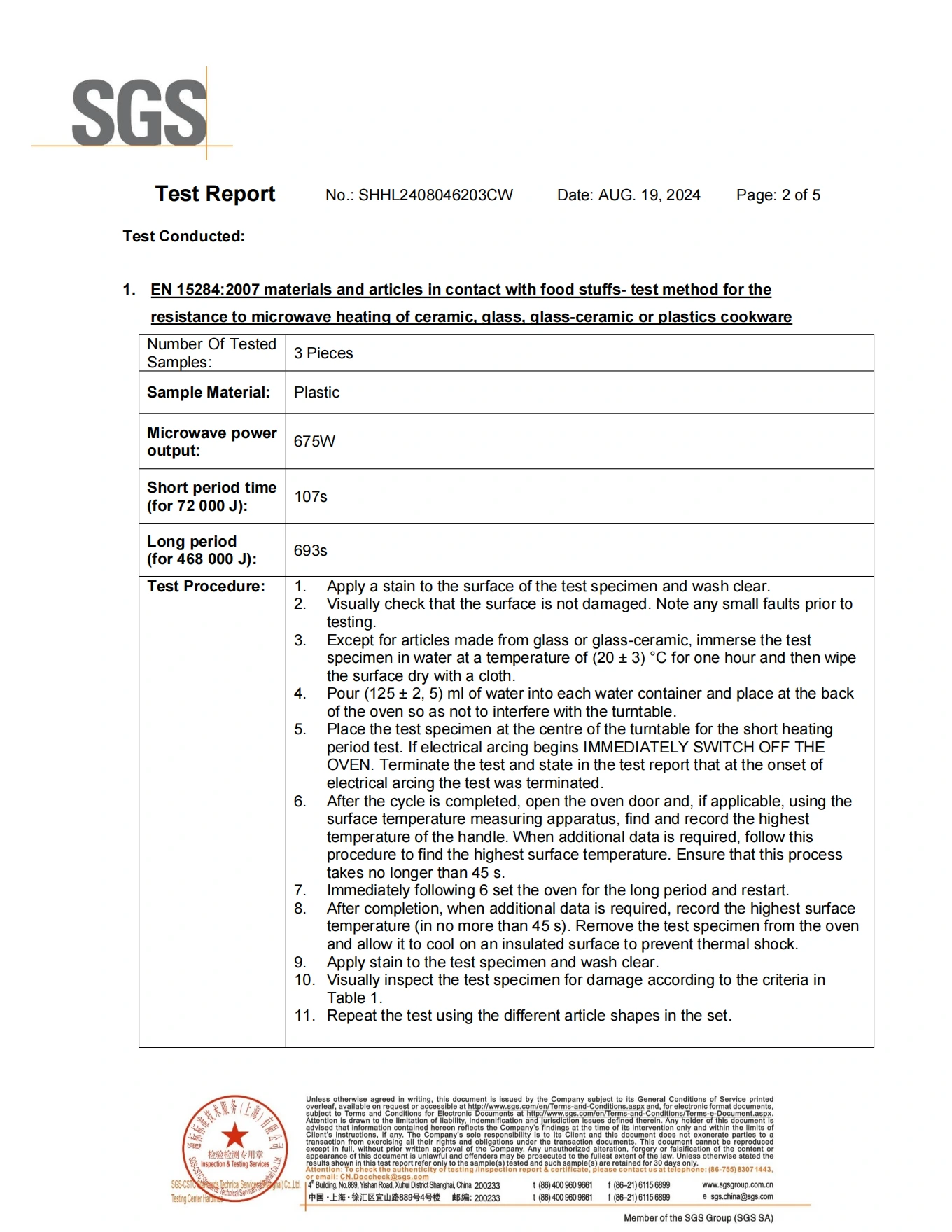
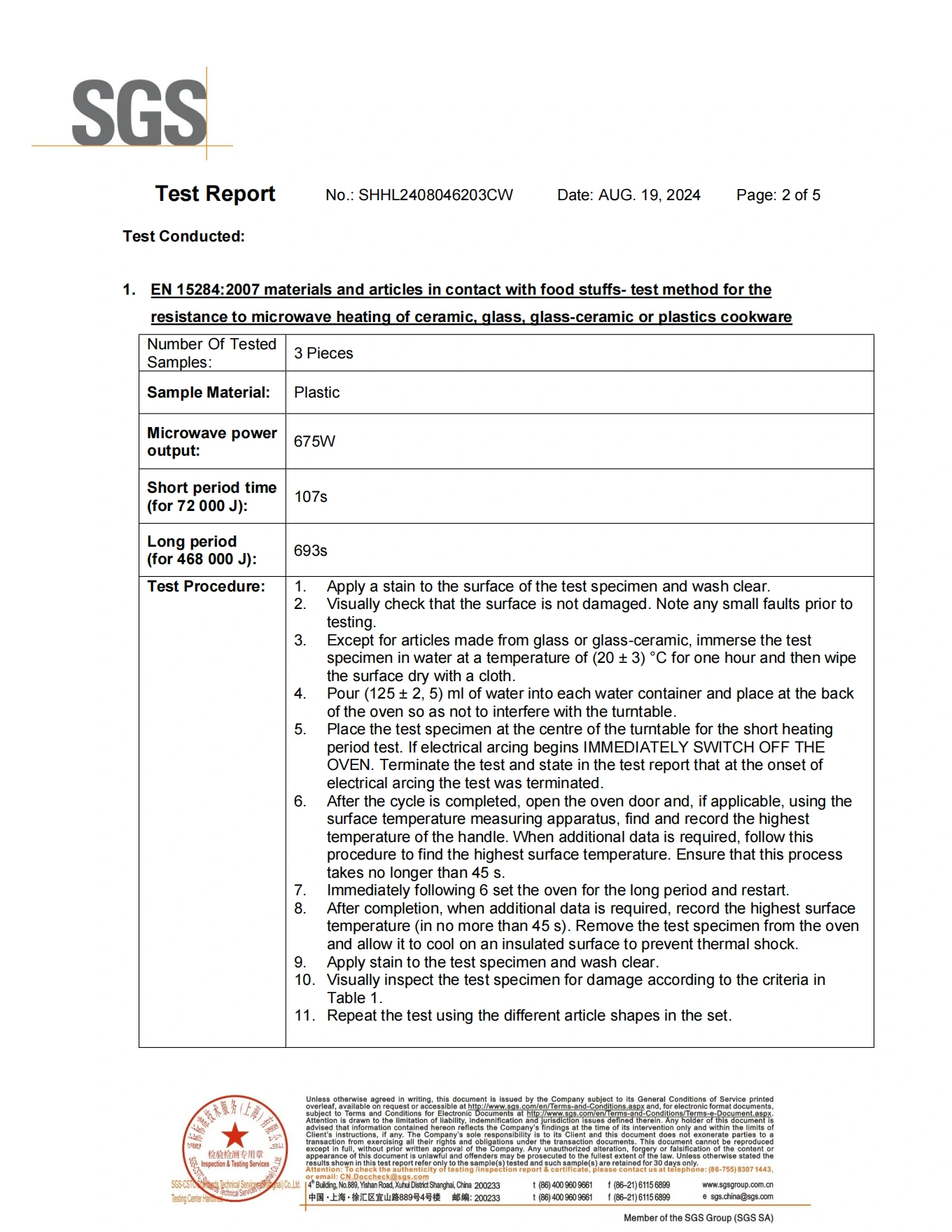
A more reliable indicator is how a supplier handles documentation. Manufacturers who regularly export food-contact products usually understand why buyers ask for test reports, raw material information, and compliance declarations. They do not treat these requests as obstacles.
There are also warning signs that tend to appear early. Prices that are noticeably lower than comparable offers deserve closer attention. So do suppliers who avoid answering specific questions about materials or production capacity. Inconsistent company details are another issue buyers often ignore until it becomes a problem.
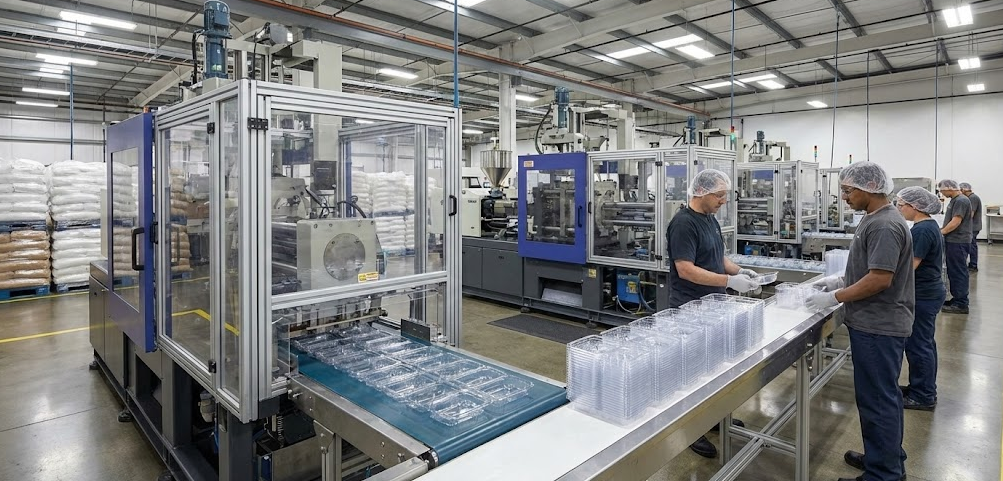
Factory audits help, but they do not need to be complicated. A remote video call showing actual production equipment, material storage, and packaging areas is often enough for initial screening. Overly polished presentations are less useful than seeing how products are actually made.
Location also matters more than many buyers expect.
Yiwu suppliers often offer broader SKU combinations and flexible order quantities.
Guangzhou and Foshan factories usually have stronger export routines and packaging supply chains.
Shenzhen and Dongguan manufacturers tend to focus more on precision and process control, which can be an advantage for higher-spec orders.
HS Codes and Import Classification
HS codes are not exciting, but they are expensive to get wrong.
Fruit trays are normally classified based on material. Plastic trays usually fall under HS 3924. Ceramic versions are classified under 6912. Stainless steel trays are typically under 7323. These categories look simple, but small material differences can change how customs views the product.
Incorrect classification does not always stop a shipment immediately. Sometimes it shows up later, through reassessed duties or increased inspection rates on future imports. That long-term impact is often underestimated.
One common mistake is allowing suppliers to reuse HS codes from previous shipments without verification. Another is using generic codes to “simplify” paperwork. Both approaches increase risk.
When classification is unclear, importers can verify codes through customs databases or request advance rulings. This step costs time, but it saves money and delays later.
Food-Contact Safety and Compliance
Fruit trays are food-contact items. That single fact changes everything.
For the US market, materials must comply with FDA food-contact requirements. This is not limited to the finished tray. Raw materials matter just as much. Importers should understand that regulatory responsibility does not shift to the supplier, even when compliance documents are provided.
The EU follows a different framework. Plastic fruit trays must meet EU 10/2011 standards and REACH requirements. Importers are also expected to retain compliance documentation for resale and inspections. Losing these records later can create problems that are difficult to fix retroactively.
Testing is another area where shortcuts create risk. BPA, phthalates, and heavy metal migration tests are common, but reports must clearly match the product being imported. Generic test reports are often rejected during inspections.
Price Negotiation and Order Terms
Negotiating price without discussing risk is incomplete negotiation.
Unit pricing depends on material type, tray thickness, and order volume. MOQs typically range from a few hundred to several thousand units. As quantities increase, unit costs usually decrease, but tooling or mold fees may apply for customized designs.
Payment terms matter just as much as pricing. The common structure is a deposit with the balance paid before shipment. Letters of credit are sometimes used for large transactions. For first orders, escrow-style payment methods can reduce exposure.
Contracts should clearly define quality expectations. Acceptable defect rates, inspection standards, and remedies should be written down. When quality terms are vague, disputes become subjective.
Customization also changes the cost structure. Logo placement, packaging changes, and color variations affect both MOQ and unit pricing. These costs should be discussed early, not after samples are approved.
Quality Control Before Shipment
Once products leave the factory, leverage is limited.
Samples should be checked carefully. Not just for appearance, but for material consistency, surface finish, and packaging quality. Agreement on sample-to-production consistency prevents many disputes later.
Third-party inspections are common for bulk orders. They are not perfect, but they reduce risk. The cost is usually small compared to the potential loss from defective goods.
Common quality issues with fruit trays include cracking, uneven surfaces, color inconsistency, and weak packaging. Clear inspection criteria help suppliers understand expectations.
Calculating Total Landed Cost
Factory price is only one part of the equation.
Total landed cost includes international freight, insurance, duties, brokerage fees, and local handling or storage. Ignoring any of these distorts margin calculations.
Incoterms determine who controls which part of the process. EXW shifts more responsibility to the buyer. CIF reduces initial complexity but limits cost visibility. FOB is often the most balanced option for wholesale buyers.
Hidden costs deserve attention. Port charges, customs exams, compliance testing, and inventory holding costs add up quickly. Buyers who ignore these often discover margin problems after scaling.
Shipping, Documentation, and Clearance
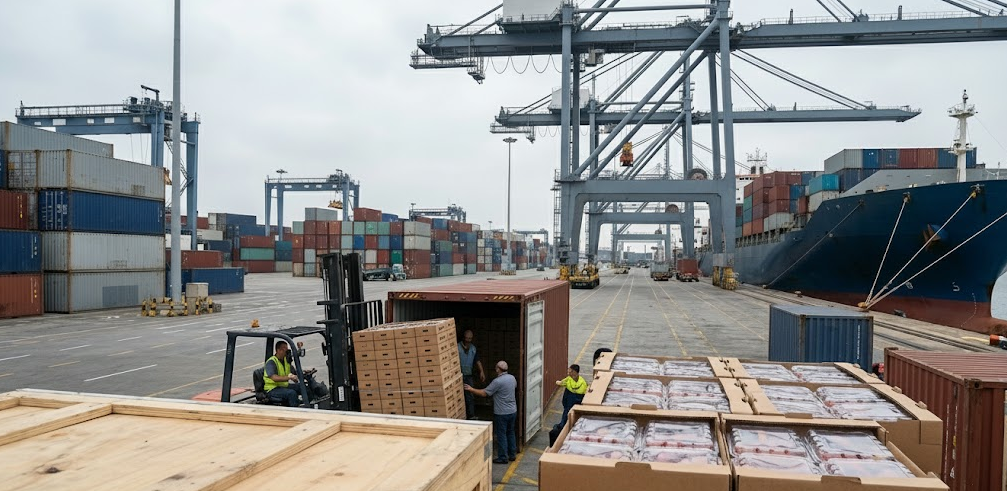
Bulk fruit trays are usually shipped by sea. LCL works for smaller volumes. FCL becomes more efficient as order size increases. Container utilization directly affects freight cost per unit.
Transit times vary by route and season. Building realistic buffers into lead times reduces pressure and emergency shipping costs.
Documentation errors remain one of the most common causes of clearance delays. Commercial invoices, packing lists, bills of lading, and compliance documents must match exactly. Small inconsistencies often trigger inspections.
Most wholesale buyers rely on customs brokers, especially for food-contact products. First-time imports are more likely to be reviewed, which makes preparation even more important.
A Final Checklist Before Scaling Up
Before placing a large order, buyers should confirm a few basic points:
-
The supplier has been properly verified
-
Compliance documents are complete and current
-
HS classification has been confirmed
-
Quality terms are clearly agreed
-
Total landed cost is fully understood
-
Initial volumes are scaled gradually
Final Thought
Importing fruit trays from China does not need to involve unnecessary risk. The key is not chasing the lowest price, but controlling uncertainty at each decision point. When supplier selection, compliance checks, and cost planning are handled carefully, wholesale buyers can build sourcing channels that remain stable as volumes grow.