
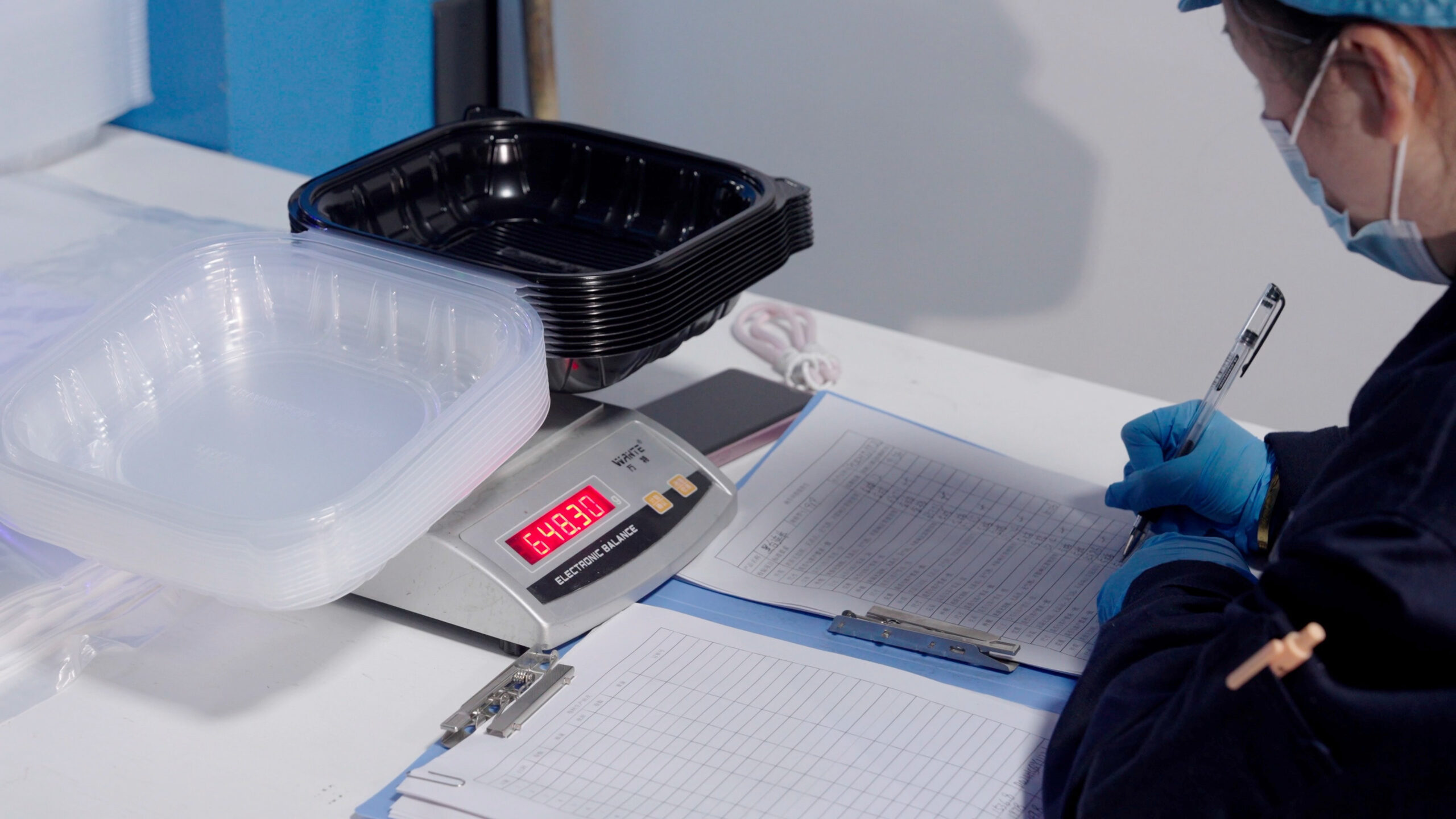
For wholesale buyers and importers, sourcing fruit trays from China is rarely about whether suppliers exist. Capacity is abundant, product options are wide, and pricing is competitive. The real questions usually come later: Can the supplier meet your MOQ realistically? Will lead times hold under volume pressure? And how do you prevent quality issues before goods are shipped?
This guide focuses on those exact decision points. Rather than repeating basic sourcing steps, it breaks down how experienced B2B buyers evaluate MOQ, manage timelines, control quality risk, and structure orders that remain stable as volumes scale.
Understanding MOQ: What Bulk Buyers Should Really Expect

MOQ (Minimum Order Quantity) is often the first friction point when buying fruit trays in bulk. While suppliers may advertise “low MOQ,” the reality depends heavily on material type, production method, and customization level.
For plastic and PET fruit trays, MOQs are usually carton-based rather than piece-based. Factories producing standardized molds often set MOQs around full cartons, which aligns with their packing and logistics efficiency. These products are generally more flexible for first-time orders.
Acrylic trays are commonly priced and quoted per piece, but MOQs are still influenced by production batch efficiency. Although the nominal MOQ may appear low, unit costs tend to be higher unless volume increases quickly.
Wooden or bamboo trays typically involve higher MOQs. These products rely on manual processing, variable raw materials, and longer production cycles. Many suppliers are less willing to run small batches unless the buyer accepts higher pricing or simplified specifications.
MOQ directly impacts unit pricing. At low volumes, fixed costs such as setup, labor allocation, and packaging have a larger effect per unit. As order quantities increase, pricing usually drops in tiers, but only after specific breakpoints are reached. Buyers should always ask suppliers to explain price differences across volume levels, not just quote a single number.
Some factories offer flexible or “trial” MOQs. The trade-off is usually clear: higher unit prices, limited customization, or reduced quality guarantees. For new buyers, a controlled test order can still be valuable, as long as expectations are realistic.
Practical strategies to meet MOQ requirements include mixing SKUs within the same material category, placing phased orders with pre-agreed pricing, or starting with stock items before moving into custom designs.
Calculating Lead Time: Production and Shipping Reality
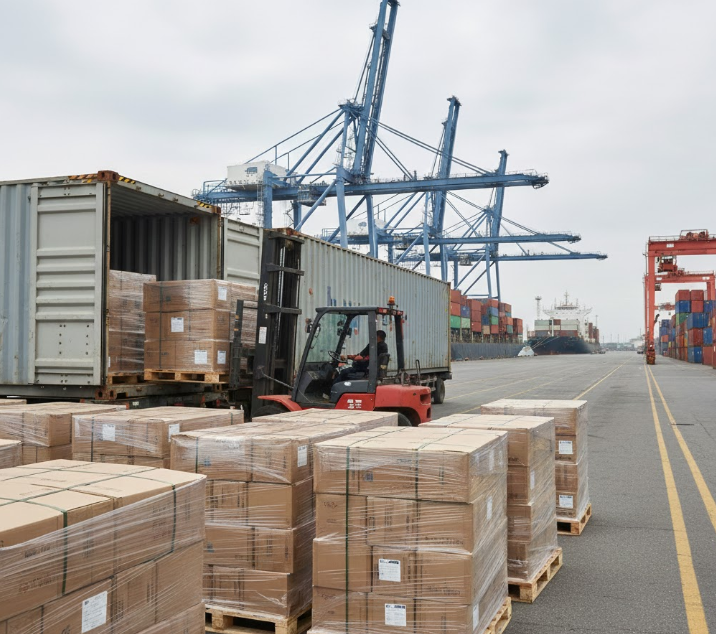
Lead time is rarely just a factory issue. It is the combined result of production scheduling, order complexity, and shipping method.
For stock fruit trays with no customization, production can often be completed within one to two weeks. These items run on existing molds and established workflows. Custom designs, however, require more time. Mold adjustments, material sourcing, and sample approvals can easily extend production to three or four weeks.
Production speed is also affected by how clearly requirements are defined. Ambiguous specifications lead to sample revisions, which silently add weeks to timelines. Buyers who finalize drawings, materials, and packaging details early usually experience fewer delays.
Shipping time varies widely by method. Sea freight remains the default for bulk orders, with transit times ranging from several weeks depending on destination and port congestion. Air freight and express shipping are faster but significantly more expensive, making them suitable only for urgent or low-volume shipments.
Hidden time factors are often underestimated. Sample approval cycles, peak production seasons, and factory shutdowns around major holidays can disrupt even well-planned schedules. Buyers should build buffer time into their planning rather than assuming best-case scenarios.
Quality Control: Where Bulk Orders Usually Fail
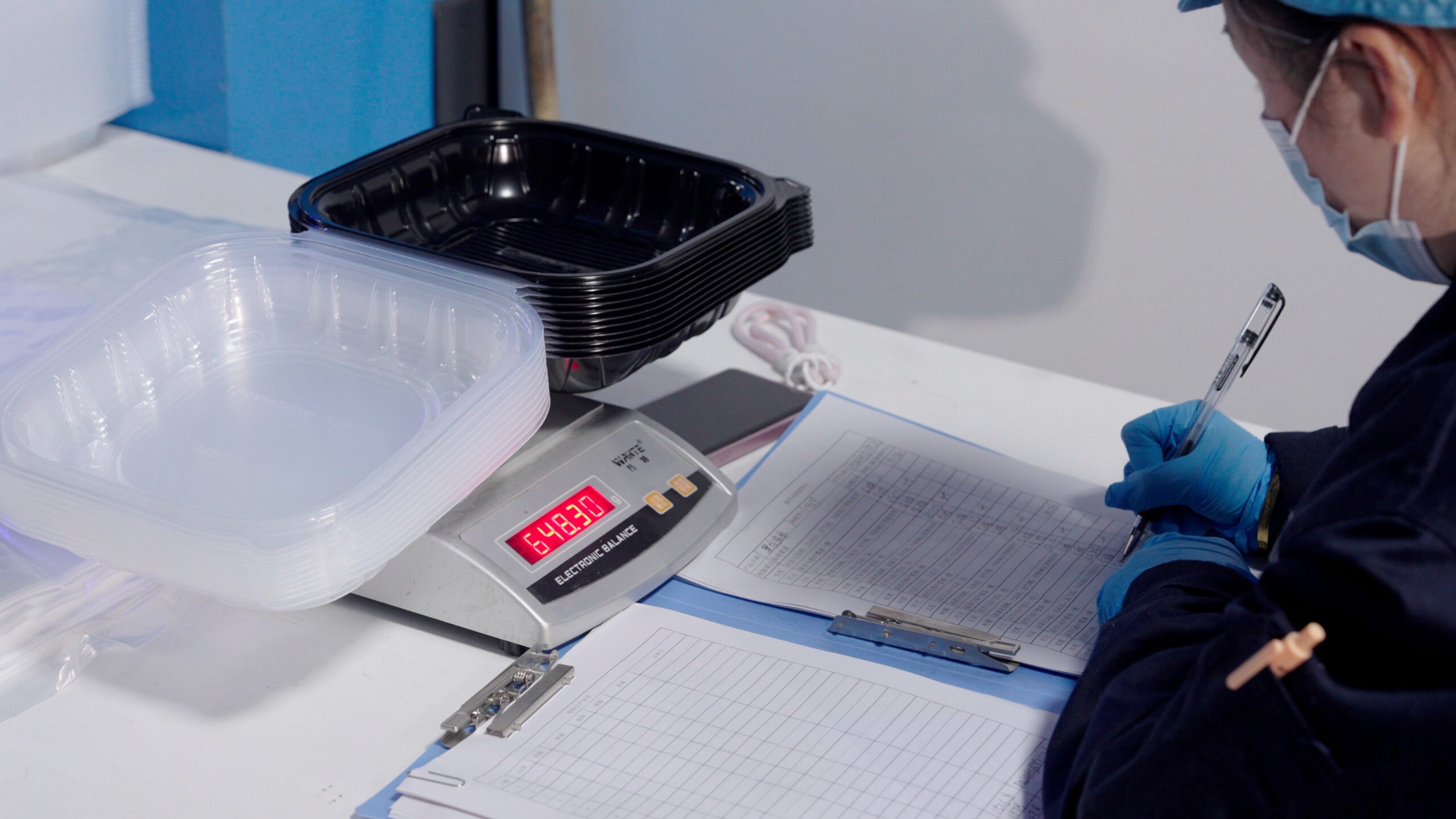
Quality issues rarely come from a single mistake. They are usually the result of missing checkpoints throughout the buying process.
Before production begins, buyers should verify material specifications, applicable certifications, and compliance scope. A supplier offering food-contact products should understand why buyers request documentation and testing reports. Resistance at this stage is often a warning sign.
During production, requesting production samples or real-time updates helps confirm that output matches approved samples. Some buyers rely on third-party inspection services at this stage. While inspections are not perfect, they provide an independent snapshot of production conditions and defect rates.
Pre-shipment inspection is the final leverage point. This step typically checks appearance, dimensions, stacking performance, durability, packaging integrity, and food-contact compliance. Many inspections follow AQL standards to define acceptable defect levels.
Common quality problems with fruit trays include cracking under load, uneven surfaces, poor stacking alignment, residual odor, and weak outer packaging. Clear inspection criteria and written quality agreements reduce disputes when issues arise.
Material Selection: Matching Tray Type to Your Market
Choosing the right material is less about preference and more about end-use alignment.
Acrylic trays offer a premium appearance and durability, making them suitable for retail displays or reusable applications. Their higher cost is justified only when appearance and reuse matter to the buyer’s market.
Plastic and PET trays are lightweight, cost-efficient, and easy to scale. They are widely used for wholesale distribution and high-turnover food applications. Their strength lies in consistency and logistics efficiency rather than longevity.
Wooden and bamboo trays appeal to eco-conscious or artisanal brands but come with trade-offs. Moisture sensitivity, higher MOQs, and variability in finish require tighter quality control and clearer expectations.
Buyers should also consider food-safety certifications and long-term compliance obligations, not just initial cost. A cheaper material that complicates resale compliance can become expensive over time.
Customization and Its Impact on Pricing
Customization changes both cost structure and risk exposure.
Simple options such as color selection typically add minimal cost. Logo printing introduces setup fees and increases MOQ requirements. Mold customization is the most expensive option and only makes sense at higher volumes or for long-term programs.
Custom sizes and structural changes should be evaluated carefully. While they can differentiate products, they reduce supplier flexibility and increase dependency on specific molds.
Sample development is a critical stage. Costs are usually modest compared to bulk orders, but delays often occur here. Most projects require multiple revisions before approval. Buyers who rush this stage often pay for it later.
Supplier Verification: Reading Signals Early
Reliable suppliers tend to share similar traits. They can explain their product scope clearly, provide consistent documentation, and communicate timelines realistically.
Basic verification includes checking business licenses, export experience, and platform credentials. Factory assessment goes deeper, focusing on years of operation, production focus, and transparency.
Communication quality matters. Vague answers on MOQ or lead time, reluctance to provide samples, or pressure for full payment upfront are common red flags.
Both B2B platforms and direct sourcing have advantages. Platforms offer structured payment protection, while direct contact allows deeper negotiation and customization. The choice depends on order size, risk tolerance, and experience level.
Pricing, Payment, and Risk Control Essentials
Pricing is composed of several elements: raw materials, labor, setup costs, overhead, and margin. Understanding this structure helps buyers negotiate more effectively.
Negotiation leverage increases with order volume, repeat business potential, and payment flexibility. Buyers who focus only on unit price often miss opportunities to improve terms elsewhere.
Standard payment structures involve a deposit with the balance paid before shipment. Letters of credit are common for larger transactions. Escrow-style services can reduce risk for first orders.
Risk control tools include clear quality clauses, inspection rights, delivery terms, and appropriate insurance coverage. These measures protect margins when issues arise.
Final Thoughts
Buying fruit trays in bulk from China is not inherently risky. Problems usually emerge when decisions are rushed or assumptions go unchecked. Buyers who manage MOQ expectations, plan realistic lead times, and implement structured quality control gain far more stability than those chasing the lowest price.
When sourcing decisions are approached as part of a long-term procurement strategy rather than a single transaction, China remains one of the most reliable and scalable supply bases for fruit trays in the global wholesale market.