

People rarely ask this question because cereal looks healthy. They ask it because something feels off. The numbers on the box promise one thing, but hunger comes back sooner than expected. That gap—between expectation and reality—is where protein enters the conversation.
A bowl of cereal does contain protein. Just not in the way most people assume. The final number depends less on the cereal brand and more on how the bowl is actually used.
Why the “Per Serving” Protein Number Rarely Matches Real Life

Cereal nutrition labels rely on controlled assumptions. A serving is usually defined as three-quarters to one cup of dry cereal. In real kitchens, almost nobody measures that.
Most people pour until the bowl looks filled, not until the serving looks correct. With standard bowls, that usually means one and a half cups or more before milk even touches the cereal. Protein intake changes immediately, even though the cereal itself has not.
This disconnect is well understood by brands working with a custom cereal bowl manufacturer, because bowl depth and interior curve strongly affect how much cereal people think is “normal.”
What a Typical Bowl of Cereal Actually Delivers
With traditional refined cereals made from corn or rice, protein content stays low no matter how generous the pour looks. These cereals are designed for volume and crunch, not density.
In everyday use, a full bowl of refined cereal usually provides four to six grams of protein before milk. Whole-grain options perform slightly better, often landing between seven and nine grams, depending on grain type and compression.
That difference is one reason foodservice operators consult a breakfast bowl supplier when portion consistency matters. Visual fullness and nutritional density are not the same thing.
Protein Differences by Cereal Structure, Not Just Ingredients
Two cereals can list similar protein numbers and behave very differently in the bowl. Light, puffed cereals occupy space quickly, while dense cereals settle and compact.
This structural difference explains why mixed-grain cereals produce inconsistent protein outcomes. The bowl may look similar, but the actual cereal mass varies.
Manufacturers collaborating with an ODM cereal bowl factory account for this behavior when developing bowls meant for repeated daily use, especially in controlled dining environments.
How High-Protein Cereals Change the Equation
High-protein cereals break away from traditional grain limits by adding concentrated protein sources. These additions allow protein numbers to rise into double digits.
In real bowls, most high-protein cereals deliver between twelve and eighteen grams of protein before milk. That range is meaningful, but it also reflects a trade-off. Texture changes. Sweetness shifts. Calorie density increases.
From a development standpoint, this is why packaging teams work closely with a cereal bowl manufacturer to ensure bowl size supports denser cereal formats without encouraging overconsumption.
Where the Protein in Cereal Comes From
Natural cereal protein comes from grains, and grain protein is incomplete. It supports basic nutrition but does not perform like animal protein for muscle synthesis.
Added proteins fill that gap. Plant-based proteins dominate cereal formulations because they are stable, scalable, and cost-efficient. Animal-based proteins appear less often due to processing and shelf-life constraints.
These formulation realities influence decisions made by any breakfast bowl manufacturer serving institutional clients, where consistency matters more than novelty.
Milk: The Variable That Changes Everything
Milk often contributes as much protein as the cereal itself. A half cup of dairy milk adds about four grams of protein. A full cup nearly doubles that.
This means a low-protein cereal can quietly become moderate-protein once milk is included. The cereal stays the same, but the nutritional outcome changes.
Plant-based milks behave differently. Soy milk contributes meaningful protein. Almond and oat milk usually do not. The same bowl can produce very different results depending on liquid choice.
This variability is one reason OEM teams consult an OEM cereal bowl manufacturer when testing portion standards across multiple milk types.
Add-Ins That Matter More Than Switching Cereals
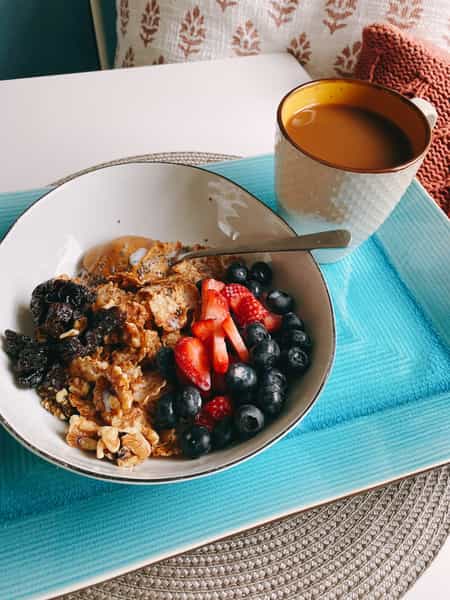
People often chase protein by switching cereals, but toppings usually have a larger effect. Nuts, seeds, and yogurt can raise protein faster than changing brands.
A spoon of Greek yogurt or a small portion of nuts can shift a bowl from low-protein to functionally balanced. These changes feel small but add up quickly.
Designing bowls that support layered builds without overflow is why brands partner with a private label cereal bowl manufacturer during breakfast program development.
What a Protein-Effective Cereal Bowl Looks Like
For most adults, a breakfast providing twenty to thirty grams of protein supports better satiety and energy control. Cereal alone rarely reaches that range.
That does not make cereal ineffective. It defines its role. Cereal works best as a flexible base, not as a complete protein solution.
Hospitality groups sourcing tableware from a commercial cereal bowl manufacturer often prioritize bowls that support both light cereal use and protein-forward combinations.
Bowl Design and Protein Intake Are Connected
Bowl size influences behavior. Larger bowls encourage heavier pours. Smaller bowls quietly limit intake without feeling restrictive.
These design cues directly affect protein totals even when food choices stay constant. Nutrition outcomes are shaped by containers more than most people realize.
That insight drives demand from operators sourcing bowls for global wholesale buyers focused on portion control.
Choosing Cereal With Protein Awareness

Protein-aware choices start with honesty. Cereals offering under five grams of protein per serving rarely become protein-rich meals without support. Options in the six to eight gram range allow flexibility. High-protein cereals require closer label scrutiny.
Understanding how you pour matters as much as what you buy. Once bowl size, milk, and add-ins are considered together, protein intake becomes predictable.
Cereal’s Role in the Bigger Protein Picture
Cereal was never meant to carry the day’s protein intake alone. Its value lies in speed, consistency, and adaptability.
When paired intentionally, a bowl of cereal can contribute twelve to twenty grams of protein with minimal effort. That makes it useful, not misleading.
This adaptability explains why retailers continue sourcing tableware through a wholesale cereal bowl manufacturer for foodservice markets. One bowl supports many nutritional strategies.
Final Takeaway
So how much protein is in a bowl of cereal? In practice, it ranges widely. Some bowls barely reach four grams. Others exceed twenty.
The cereal matters. The milk matters. The bowl matters more than most people expect. Once those variables are understood, cereal becomes controllable rather than confusing—and protein intake stops being a guessing game.