
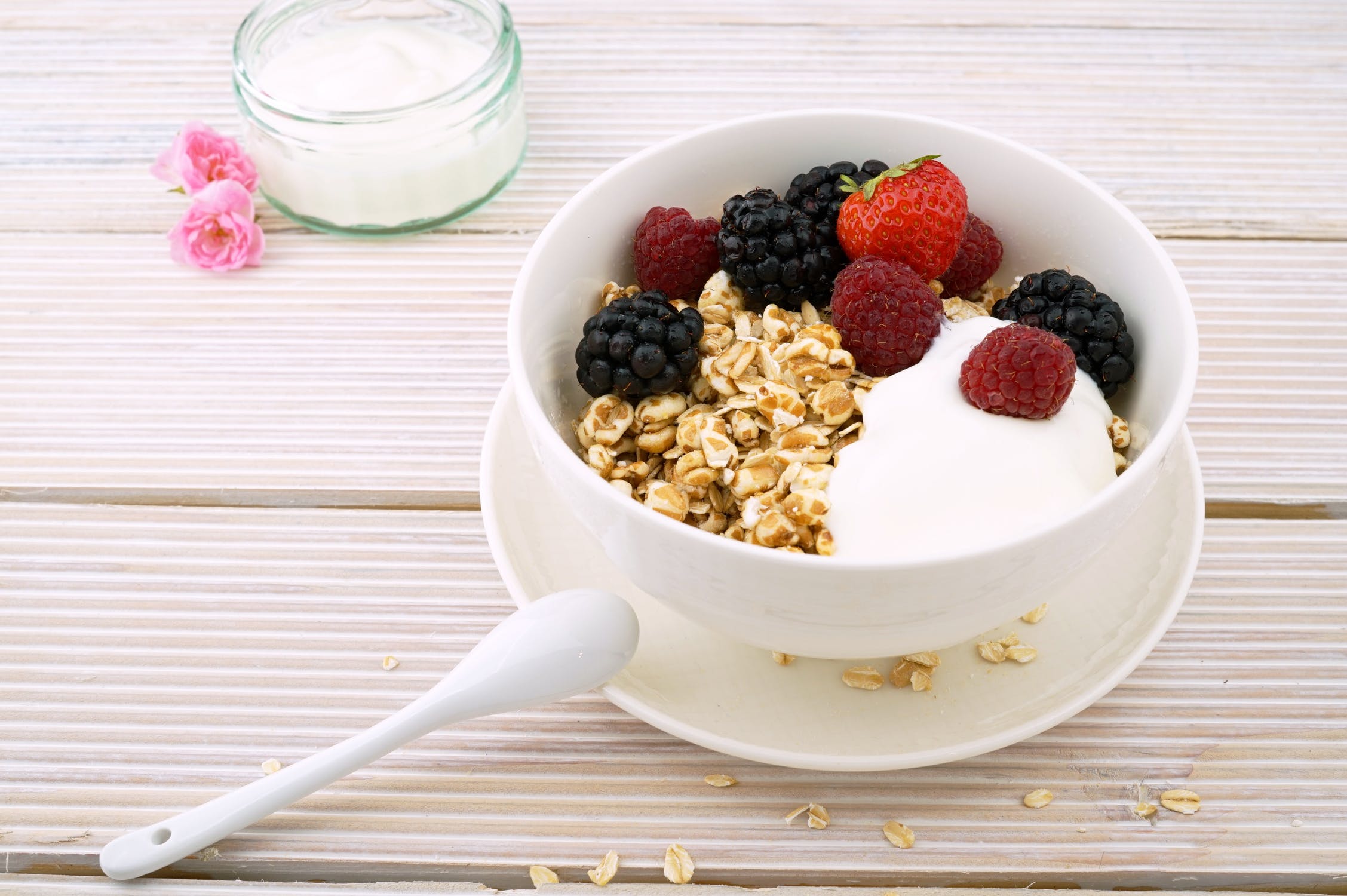
Most people think they already know how to pour milk into cereal. It feels automatic. Yet if you watch different households at breakfast, you’ll see wildly different results—some bowls barely dampen the flakes, others turn cereal into soup. That gap isn’t random. It comes from habits shaped by bowl size, cereal texture, and visual expectations rather than nutrition logic.
Milk isn’t just a liquid add-on. It changes how filling cereal feels, how fast it softens, and how many calories quietly end up in the bowl. Understanding that interaction matters far more than memorizing a fixed number.
Why There Is No Universal “Correct” Amount of Milk

The idea of a standard milk-to-cereal ratio sounds tidy, but real kitchens don’t work that way. Official serving sizes assume flat measuring cups and controlled portions. Real bowls are deeper, wider, and shaped to please the eye rather than regulate intake.
What most people follow instead is a visual rule: cereal should look “comfortably covered.” The problem is that comfort changes with bowl depth. In taller bowls, the same visual coverage often means significantly more milk.
This mismatch becomes obvious in product development discussions with a custom cereal bowl manufacturer, where design teams see how a few millimeters of extra depth can change pouring behavior without users noticing.
How Cereal Density Changes Milk Behavior
Light cereals behave deceptively. Flakes and rings spread across the bowl surface, creating the impression that they need more milk. In practice, they absorb liquid quickly and collapse long before the milk is consumed.
Dense cereals work differently. Granola and compressed clusters sit heavier, absorb milk slowly, and stay crunchy longer. Because they don’t rise to the surface, people often keep adding milk until the bowl looks “full enough,” overshooting what the cereal actually needs.
This contrast is why breakfastware developed by a private label cereal bowl supplier often tests multiple cereal categories during design validation, not just one representative type.
Bowl Size Quietly Controls Milk Portions
People rarely adjust milk volume consciously. Instead, the bowl sets the boundary. Larger bowls invite more liquid simply because there is space for it. Smaller bowls naturally limit excess without requiring restraint.
Research on container size shows that people pour more into larger vessels even when they intend to eat the same amount. With cereal, this effect hits milk harder than cereal itself, because milk flows and fills gaps invisibly.
That insight drives sourcing decisions for buyers working with a bulk breakfast bowl factory, especially in foodservice environments where consistency matters more than individual choice.
Measuring Milk Without Measuring Tools
Most households will never weigh milk or use measuring cups every morning. The more realistic approach is repetition. Once you learn how much milk works for a specific bowl and cereal, your hand repeats it automatically.
Pouring cereal first creates a natural reference line. Milk poured afterward tends to stop once it reaches the cereal surface. Pouring milk first removes that reference, making overpouring more likely, especially in deeper bowls.
This behavior shows up clearly in consumer testing done by an OEM tableware manufacturer for breakfast service, where identical cereals produce different milk volumes depending solely on pouring order.
Does Pouring Order Change Anything Important?
From a nutrition standpoint, cereal-first versus milk-first doesn’t change nutrient absorption in a meaningful way. The real difference is texture and control. Milk-first softens cereal faster and reduces crunch. Cereal-first preserves structure longer and usually uses less milk.
People rarely choose a pouring method for health reasons. They choose based on habit, childhood routine, or texture preference. Over time, that preference shapes calorie intake without conscious intent.
For brands collaborating with a foodservice bowl manufacturer, understanding this behavior matters when designing bowls for speed, portion predictability, or visual appeal.
Milk Calories Add Up Faster Than Expected

Milk calories are easy to underestimate because they don’t feel like “food.” Yet depending on the milk type, liquid calories can rival the cereal itself. Whole milk and many plant-based alternatives add energy quickly, especially when poured freely.
What makes this tricky is that milk volume is judged visually, not numerically. A bowl that looks moderately filled can contain far more milk than expected, especially in wide or deep designs.
This is why retailers working with a custom breakfastware manufacturer often request bowls that visually signal fullness earlier, helping consumers self-regulate without thinking about numbers.
Adjusting Milk Based on Your Breakfast Goal
There is no single right amount of milk—only amounts that serve different goals. Lighter breakfasts benefit from minimal milk, just enough to soften cereal without flooding it. This keeps flavor sharp and calories lower.
More substantial breakfasts often pair slightly higher milk levels with protein-rich cereals to extend fullness. Families quickly learn that children, athletes, and calorie-conscious adults all need different balances.
That diversity is exactly why a cereal bowl manufacturer for wholesale buyers rarely promotes one “ideal” capacity, instead offering multiple sizes for different use cases.
Why Consistency Beats Precision
Trying to optimize every bowl with exact measurements rarely lasts. What does last is a familiar routine. Same bowl, same cereal, same pour height. Over time, the hand learns the right amount without conscious effort.
Designers at a ceramic cereal bowl supplier often focus on this intuitive repeatability, creating shapes that guide behavior subtly rather than enforcing strict portion rules.
Breakfast works best when it feels natural, not calculated.
A Small Choice That Repeats Every Morning
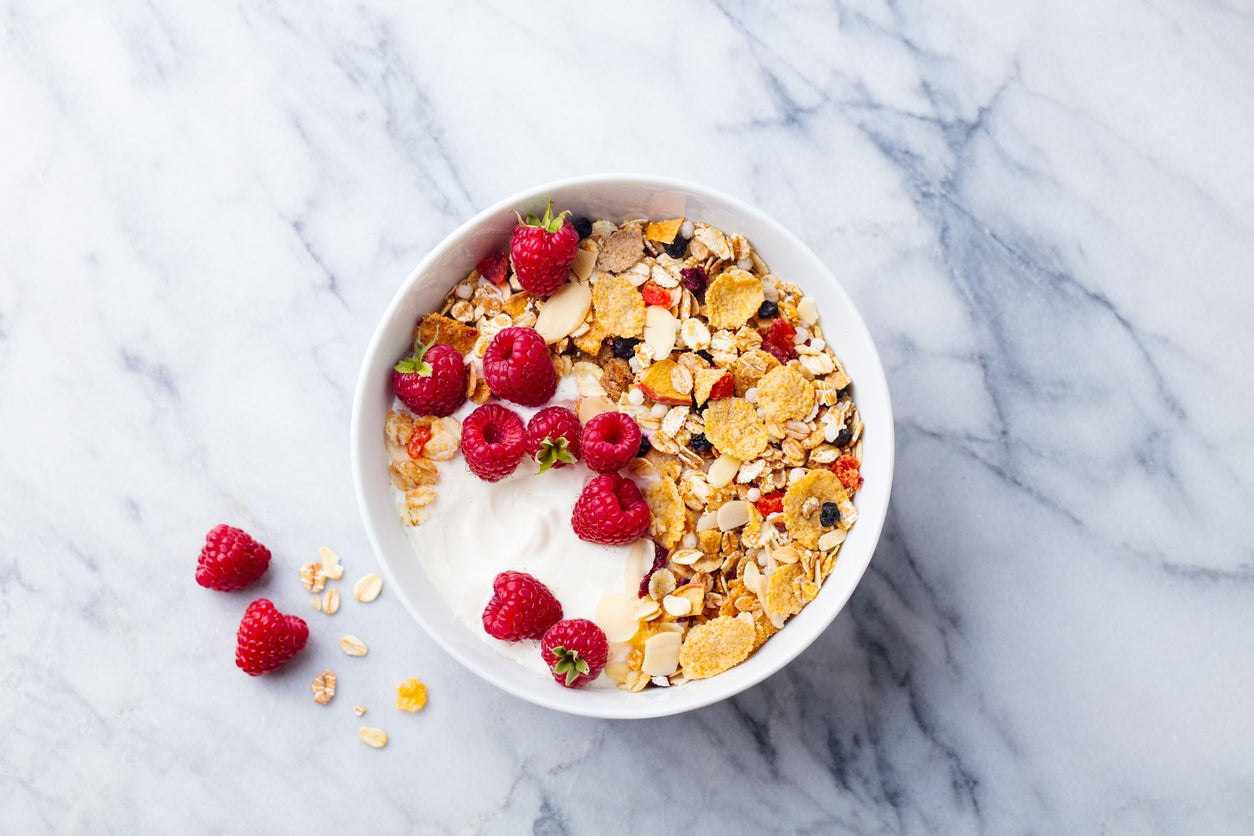
Milk in cereal is a small decision, but it repeats daily. Over weeks and months, that repetition affects energy intake, satisfaction, and even how people perceive portion sizes.
Once you understand how cereal texture, bowl design, and visual cues interact, the question of “how much milk” stops being confusing. It becomes a quiet habit—one shaped as much by the bowl in your hand as by the cereal you pour.
For households and food brands alike, often working with a cereal bowl manufacturer for food brands, the goal isn’t control. It’s alignment between design, behavior, and expectation.