

Most people don’t start eating biryani while thinking about calories. That usually happens later. Sometimes it’s an hour later, sometimes it’s the next morning, and sometimes it’s only when someone casually asks, “How heavy was that bowl, actually?”
A biryani bowl has a way of feeling complete. Not stuffed, not light—just finished. And that feeling is exactly why it’s hard to assign it a number. When people ask how many calories are in a bowl of biryani, they’re often really asking something else: did I just eat more than I thought I did?
Why a Biryani Bowl Refuses to Be a Fixed Unit
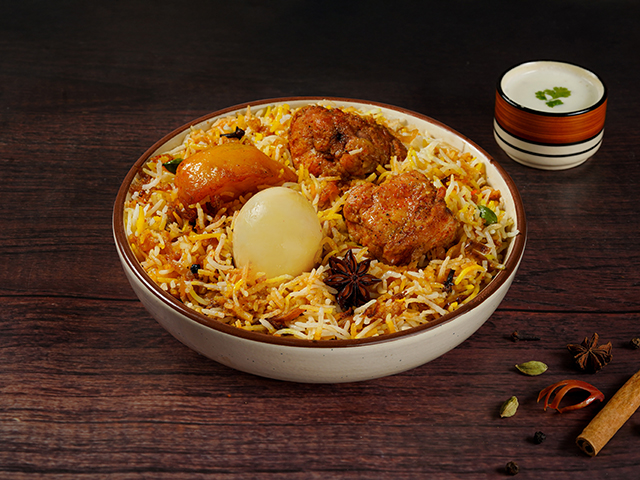
The word “bowl” sounds precise, but in real life it isn’t. A bowl at home is usually shallow and familiar. A bowl at a restaurant is deeper, heavier, and often filled higher than you realize. Two bowls that look similar can differ by hundreds of calories before you even think about ingredients.
Weight explains this better than volume. A biryani bowl around 200 grams usually feels modest. Push that closer to 350 or 400 grams and calories climb quickly, even if nothing about the recipe changes. This is why many food businesses quietly rely on portion control through container design, often working with a custom biryani bowl manufacturer rather than leaving serving size up to individual hands.
Chicken Biryani Feels Predictable Until You Look Closer
Chicken biryani is usually the first choice for people trying to be reasonable. It feels balanced. Not too rich, not too light. In many cases, a chicken biryani bowl lands somewhere between 500 and 650 calories, but that range is wide for a reason.
Chicken breast and chicken thigh behave very differently in a bowl. Oil behaves differently still. One version can feel clean and filling, while another feels heavier without being obviously greasy. Protein helps smooth this out by slowing digestion, which is why chicken biryani often leaves people satisfied even when calories creep higher.
To avoid inconsistency, many kitchens portion chicken biryani using standardized containers sourced from a biryani bowl supplier, especially in takeaway settings where visual cues matter more than scales.
Mutton Biryani Doesn’t Hide Its Weight
Mutton biryani rarely pretends to be light. A full bowl often reaches 700 or even 800 calories, sometimes more. The reason isn’t just the meat itself. It’s the way fat melts during slow cooking and quietly becomes part of the rice.
Nutritionally, mutton brings value. Iron, B12, and a sense of richness that chicken can’t replicate. The problem is speed. Soft rice and tender meat make it easy to finish a large portion before your body signals that it’s had enough.
Some restaurants manage this by serving mutton biryani in slightly smaller bowls that still look generous, often sourced from a biryani bowl factory designed with portion psychology in mind.
Vegetable Biryani Is Lighter, But Not Effortless
Vegetable biryani is often described as the “safe” option. In many cases, that’s fair. A vegetable-forward biryani bowl usually sits between 350 and 450 calories. Fiber plays a big role here, slowing digestion and making the bowl feel more filling than the numbers suggest.
But vegetable biryani isn’t immune to excess. Potatoes, cashews, and generous oil can quietly erase its advantage. What saves it most of the time is predictability. There’s less hidden fat compared to meat-heavy versions.
That predictability is why vegetable biryani is common in catering and meal-prep programs, frequently packed by a biryani bowl manufacturer for bulk orders where nutritional targets matter.
Egg Biryani Lives in the Middle, Quietly

Egg biryani rarely gets attention, but it often makes the most sense nutritionally. A bowl typically lands around 450 to 550 calories, offering protein without the heaviness of red meat.
It’s filling without being dramatic, which might explain why it’s overlooked. Some modern kitchens intentionally design egg biryani portions with help from a customized biryani bowl manufacturer, ensuring the bowl feels complete without drifting into indulgence.
Where the Calories Actually Accumulate
Rice is where most of the calories live. Basmati rice provides complex carbohydrates and a gentler glycemic response than many grains, especially when paired with fat and protein. Still, quantity matters more than people want to admit.
Fat is the wildcard. One extra spoon of oil or ghee adds over 100 calories, and you usually can’t see it once it’s absorbed. That’s why restaurant biryani tastes deeper than home versions. Flavor doesn’t appear out of nowhere.
Large-scale kitchens often address this by locking both recipes and container sizes together, working with a biryani bowl manufacturer for wholesale distribution to avoid unintentional variation.
The Calories People Forget to Count
Fried onions, nuts, raisins, and creamy marinades don’t look dangerous, but they add up. Side dishes do too. A spoon of curry here, extra raita there—it’s rarely one thing that tips the bowl over. It’s accumulation.
This is why people are often surprised when they actually track a biryani meal. The main bowl feels reasonable. Everything around it quietly isn’t.
How a Biryani Bowl Fits Into a Normal Day
For someone eating around 2,000 calories a day, a biryani bowl can easily take up a third of that allowance. That doesn’t make it a bad choice. It just means the rest of the day needs to be lighter and simpler.
Timing changes perception too. Eating biryani earlier in the day or after movement feels very different from eating the same bowl late at night. Energy use shifts, even if calories don’t.
Some brands acknowledge this through packaging, working with a biryani bowl packaging manufacturer to subtly frame biryani as a main meal rather than a side dish.
Making Biryani Lighter Without Losing Its Point

Lowering oil slightly, choosing leaner protein, or increasing vegetables can significantly reduce calories without touching the spice structure. Biryani’s identity lives in aroma, layering, and timing, not excess fat.
That’s why lighter biryani bowls are becoming more common in everyday dining, especially where biryani is part of a weekly routine rather than a celebration.
The Real Issue Isn’t Calories, It’s Uncertainty
A biryani bowl isn’t inherently problematic. What makes it difficult is not knowing what you’re holding. Once portion size, fat use, and protein choice are clearer, biryani becomes manageable rather than mysterious.
At that point, the question shifts. It’s no longer “How many calories was that?” It becomes “Did that bowl give me what I wanted?” And most of the time, the answer is yes.