
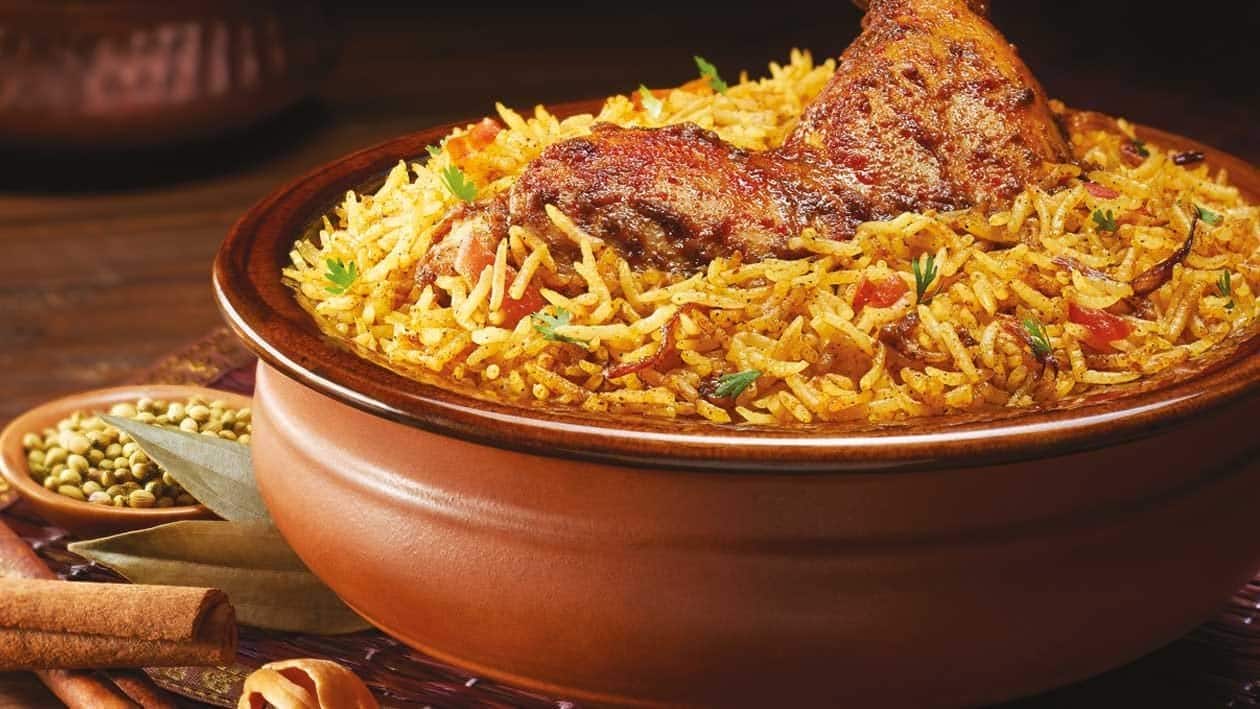
If you put a bowl of biryani next to a bowl of fried rice, most people will make a decision in seconds. One looks rich, layered, almost ceremonial. The other feels fast, casual, and familiar. What rarely happens is a real pause to ask what each bowl actually does to your body once the eating is over.
Calories are usually where the conversation starts, but calories alone don’t explain why one bowl keeps you full through the afternoon while the other leaves you scanning for snacks an hour later. The difference runs deeper than numbers.
Two Rice Bowls, Two Completely Different Cooking Philosophies
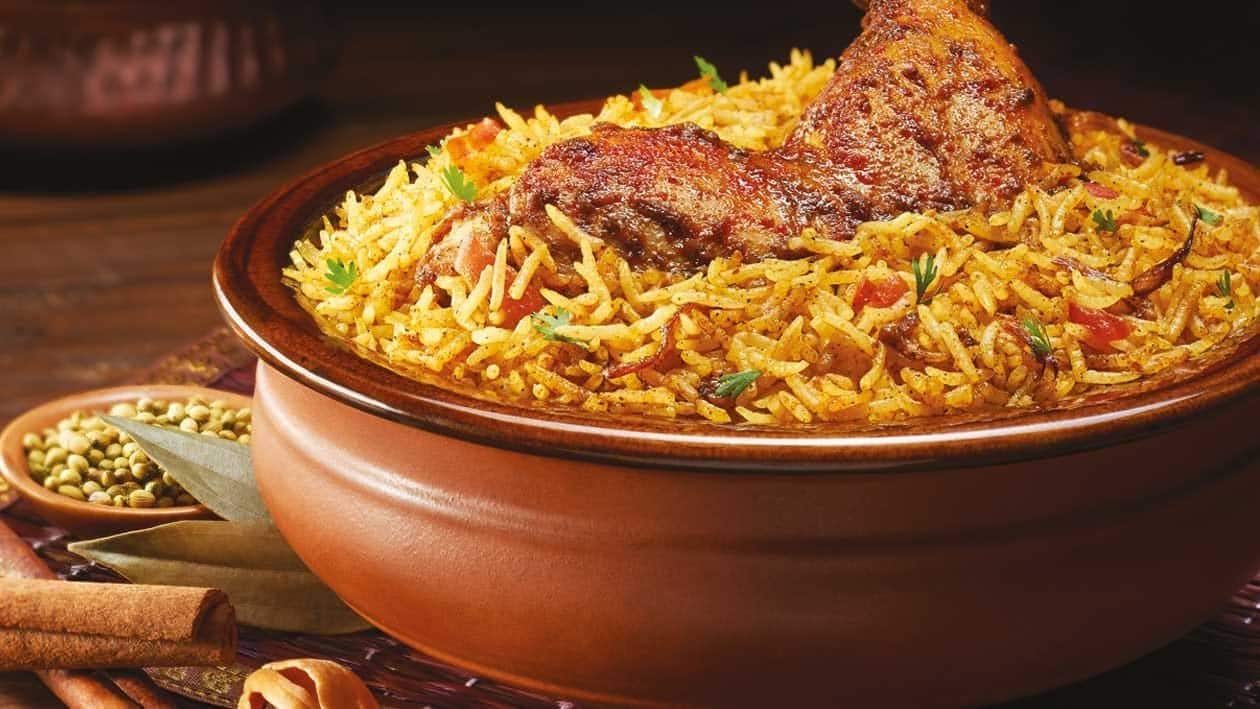
Biryani and fried rice are built on rice, but that’s where the similarity ends. Biryani is assembled slowly. Rice is partially cooked, protein is seasoned ahead of time, aromatics are layered, and heat is applied gently. The goal isn’t speed; it’s balance. Everything steams together, exchanging flavor rather than fighting for attention.
Fried rice is about movement and heat. Oil hits the pan first. Rice follows. Protein, vegetables, sauces—everything is added in rapid succession. Flavor develops through contact with hot metal and fat.
From a nutritional perspective, this difference matters more than most people realize. Steaming and dum-style cooking preserve moisture and limit how much fat rice absorbs. Stir-frying does the opposite. That’s why commercial kitchens sourcing from a biryani bowl manufacturer tend to treat oil as a seasoning, while fried rice operations treat it as a cooking necessity.
Calories Tell You Less Than You Think
At a glance, fried rice often looks lighter. Fewer spices. No visible ghee. But once portion sizes are standardized, the picture shifts. Oil accumulates quickly in a wok, especially when rice is reheated or fried in batches.
A biryani bowl, even one with meat, often lands in a similar calorie range because fat is distributed across layers instead of coating every grain. The rice stays fluffy rather than glossy.
This is one reason health-focused brands increasingly work with a custom biryani bowl supplier to control oil-per-serving without sacrificing mouthfeel.
Why Biryani Usually Feels More Filling
Satiety isn’t magic. It’s chemistry and timing. In biryani, protein, fat, and carbohydrates arrive in the stomach together. Digestion slows down. Blood sugar rises gradually. Hunger stays quiet longer.
Fried rice delivers energy faster. Refined rice, high heat, and sauce-driven seasoning speed digestion. The result isn’t a crash for everyone, but it’s common enough that people notice.
This difference becomes especially obvious in meal-prep settings. Many operators working with a biryani bowl OEM manufacturer report fewer complaints about portion size compared to fried rice meals with identical calorie counts.
The Rice Itself Changes the Equation
Basmati rice isn’t just tradition. Its longer grain structure and lower glycemic response matter. Blood sugar climbs more slowly, which means energy lasts longer.
Fried rice usually relies on standard white rice chosen for texture and cost, not digestion. Add sauces, sometimes sugar, and the glycemic impact increases.
That’s why institutional buyers sourcing from a biryani bowl factory increasingly request basmati or blended-grain options for corporate dining and healthcare environments.
Fat: Quantity, Quality, and How It’s Used
Both bowls contain fat. The difference is how intentionally it’s used. In biryani, small amounts of ghee or oil are layered in. Flavor spreads without soaking the rice.
Fried rice depends on oil to prevent sticking and create aroma. Even careful cooks often underestimate how much oil remains in the final dish.
For large-scale production, this distinction is critical. A biryani bowl manufacturer for foodservice operations can fine-tune fat levels with surprising precision. Fried rice is harder to control once the wok gets hot.
Sodium Is the Quiet Dealbreaker
Fried rice hides sodium well. Soy sauce, seasoning powders, and stock concentrates stack quickly. Even versions that don’t taste salty can push daily limits.
Biryani isn’t low-sodium by default, but it relies more on spices than sauces. That makes reduction easier without collapsing flavor.
This is why some ODM biryani bowl manufacturer partners are now supplying reduced-sodium formulations for schools and hospitals, something fried rice struggles to replicate without tasting flat.
Vegetables Aren’t Just Decoration
In biryani, vegetables are structural. Potatoes, carrots, beans, or greens cook alongside rice and protein. They absorb spice and contribute bulk.
In fried rice, vegetables are often secondary. Added late. Cooked fast. Present, but not foundational.
Fiber follows structure. When vegetables are baked into the dish, fiber content rises naturally. That’s one reason biryani bowl suppliers for bulk nutrition programs often outperform fried rice in dietary audits.
Which Bowl Fits Which Health Goal?

For weight management, biryani offers built-in brakes. It’s easier to feel satisfied without overeating, especially when oil is moderated.
For muscle building, both can work, but biryani integrates protein more evenly. Scaling portions feels more controlled.
For everyday eating, biryani tends to age better as a habit. Fried rice shines as an occasional meal, less so as a daily default.
These patterns explain why many custom biryani bowl manufacturer for wholesale buyers focus on repeat-consumption markets rather than novelty dining.
Can Fried Rice Be Made Healthier? Yes, But It Takes Work
Fried rice isn’t doomed. Reduce oil. Increase vegetables. Use lean protein. Control sauces. The problem is consistency, especially in commercial settings.
Biryani, by design, is more forgiving. Even imperfect versions retain balance because of how the dish is constructed.
That structural resilience is why biryani bowl manufacturer for global buyers continue to see demand from health-oriented food brands.
The Final Answer Isn’t About “Good” or “Bad”
If you’re choosing once, either bowl can fit. If you’re choosing often, biryani usually wins—not because it’s lighter, but because it’s steadier.
It feeds without rushing. It fills without overwhelming. And when made thoughtfully, it supports moderation rather than fighting it.
That’s not tradition talking. That’s physiology, cooking method, and experience aligning in one bowl.