
Pick up a fruit cup and it feels like a no-brainer: light, fresh, and probably healthier than whatever sits next to it on the shelf. That instinct isn’t wrong—but it’s also not the full picture. Once you slow down and actually look at what goes into a fruit cup, small details start to matter. The type of fruit, how it’s processed, what it’s packed in—these all shape how “healthy” it really is.
For businesses, those same details influence product positioning, pricing, and repeat purchases. So it’s worth looking a little closer.
Not All Fruit Cups Start the Same Way
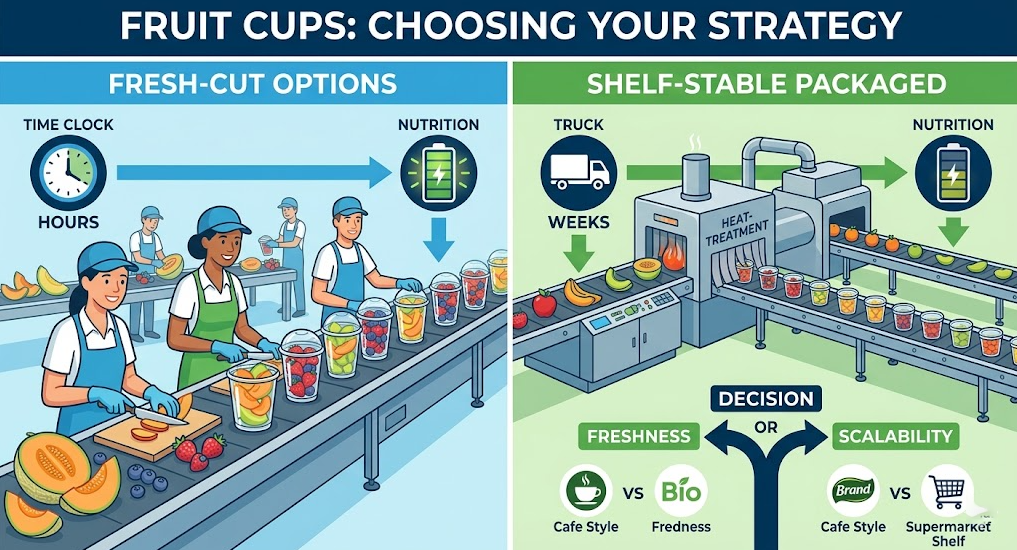
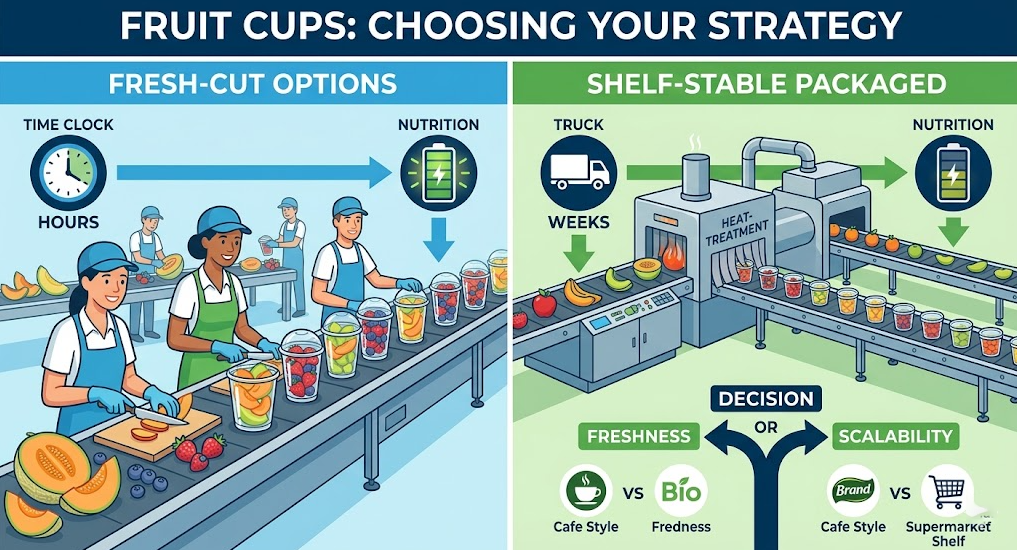
Some fruit cups are cut and sealed within hours. Others go through heating, preservation, and long distribution cycles before they reach the end user. Both can look nearly identical once they’re on display.
Fresh-cut options usually keep more of their original vitamins, especially the ones sensitive to heat. Packaged versions, while still nutritious, may lose a portion of those nutrients during processing. It’s a trade-off that doesn’t always show up on the label.
This is often where product strategy begins. A brand working with a custom fruit cup manufacturer has to decide early: is the focus on freshness or scalability? The answer shapes everything that follows.
Sugar Content Depends on More Than the Fruit

People often assume that all the sugar in fruit cups comes naturally from the fruit itself. That’s only partly true. The liquid inside the cup makes a big difference.
If the fruit is packed in heavy syrup, the sugar level rises quickly. Juice-packed versions are usually lighter, but even those can contain concentrated sugars. The taste improves, but so does the calorie count.
Because of this, ingredient lists have become more important than ever. A fruit cup supplier for supermarket chains will often adjust formulations depending on regional preferences, especially in markets where “no added sugar” claims carry weight.
Why These Small Portions Work
Fruit cups are rarely large, but that’s part of their strength. You’re not guessing how much you’ve eaten—it’s already measured. For people trying to keep their diet in check without constant tracking, that helps more than expected.
Despite their size, fruit cups can still feel satisfying. Water content plays a role, but fiber is the real factor. It slows things down, making a small portion last longer in terms of fullness.
On the production side, that consistency isn’t accidental. A oem fruit cup factory ensures each unit stays within tight weight ranges, which keeps both labeling and customer expectations aligned.
Fiber Changes the Experience
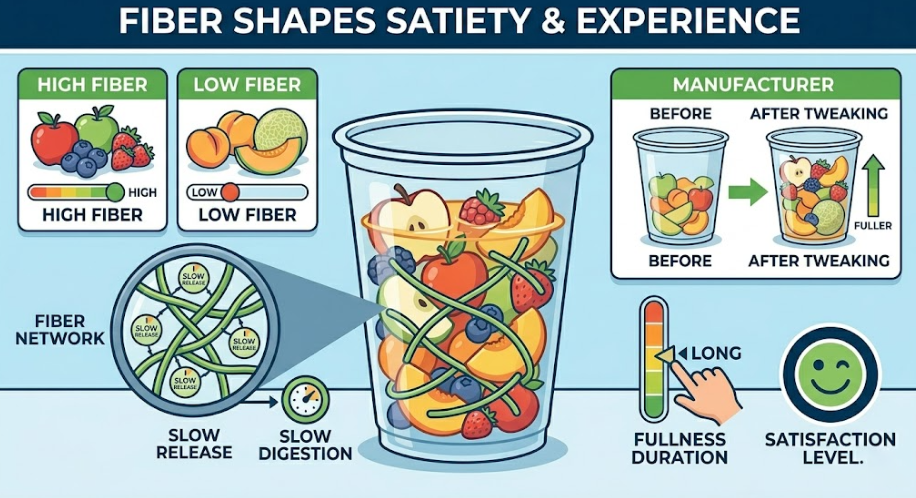
Two fruit cups can have similar calories but feel completely different after eating. The difference often comes down to fiber.
Fruits like apples or berries bring more fiber, while softer fruits like peaches or melons contribute less. Processing can also reduce fiber if skins are removed or textures are softened.
Because of this, some brands don’t just mix fruit for color—they do it for balance. A fruit cup manufacturer for customized fruit blends might tweak combinations to improve not only taste but also how filling the product feels.
Fresh and Shelf-Stable Each Solve a Different Problem
Fresh fruit cups are closer to what you’d prepare at home. They taste bright, keep more nutrients, and usually contain fewer additives. The downside is obvious: they don’t last long.
Shelf-stable fruit cups are built for movement. They can sit in storage, travel across regions, and still look appealing weeks later. The compromise is subtle—slightly fewer nutrients, sometimes a softer texture.
From a business perspective, neither option is “better.” It depends on the use case. A fruit cup supplier for long-distance distribution focuses on durability, while still trying to maintain acceptable nutritional quality.
The Ingredients You Don’t Think About
Some fruit cups include more than fruit and liquid, even if it’s not immediately obvious. Stabilizers, mild preservatives, or blended juices can all show up in small amounts.
These additions aren’t always negative, but they do shift the product away from a “just fruit” perception. And perception matters. Shoppers are paying closer attention now, even for simple items.
That’s why many brands are moving toward shorter ingredient lists. Working with a custom fruit cup supplier for minimal ingredient products is becoming less of a premium choice and more of a standard expectation.
Where Fruit Cups Actually Fit in a Diet
Fruit cups aren’t meant to replace fresh fruit entirely, but they fill a gap. When time is limited or preparation isn’t practical, they offer a reasonable alternative.
They work as quick snacks, light sides, or something to balance heavier meals. For people trying to move away from processed snacks, they can be a small but meaningful shift.
This flexibility is part of their appeal in retail. A fruit cup factory for grab-and-go segments often develops multiple variations to fit different eating occasions rather than treating all fruit cups the same.
Packaging Quietly Influences Decisions
It’s easy to overlook packaging, but it shapes first impressions. A clear container showing bright fruit tends to feel fresher, even before the product is opened.
There’s also a technical side. Good sealing helps slow down oxidation and keeps texture intact. Poor sealing does the opposite, no matter how good the fruit was at the start.
Because of this, packaging design isn’t just visual. Brands working with a odm fruit cup manufacturer for packaging development usually focus on both protection and presentation at the same time.
Sustainability Is Getting Harder to Ignore
Even small packaging formats like fruit cups are part of the broader sustainability conversation. Consumers who choose fruit over processed snacks often expect better environmental choices as well.
Recyclable materials are still the norm, but alternatives are gradually appearing. Each option comes with trade-offs—cost, durability, or shelf life.
For companies, this adds another layer to sourcing decisions. A fruit cup supplier for sustainable product lines isn’t just offering materials; they’re helping brands align with changing expectations.
What Buyers Tend to Miss
On the surface, fruit cups look simple. But behind them are decisions about sourcing, processing, packaging, and distribution. Overlooking any one of these can affect the final product more than expected.
Buyers who focus only on price often run into issues later—whether it’s inconsistent quality or weaker consumer response. Looking at the full picture usually leads to better results.
That’s one reason many companies choose to work with a custom fruit cup factory for multi-market supply. It gives them room to adjust based on where and how the product will be sold.
Final Thoughts
Fruit cups are easy to underestimate. They’re small, familiar, and seem straightforward. But once you break them down, there’s a lot influencing what ends up in that container.
For consumers, the takeaway is simple: check what the fruit is packed in and keep an eye on added sugars. For businesses, the challenge is more layered—balancing nutrition, shelf life, and presentation without overcomplicating the product.
In the end, the fruit cup that performs best is usually the one that keeps things as close to real fruit as possible while still fitting into modern supply chains.