
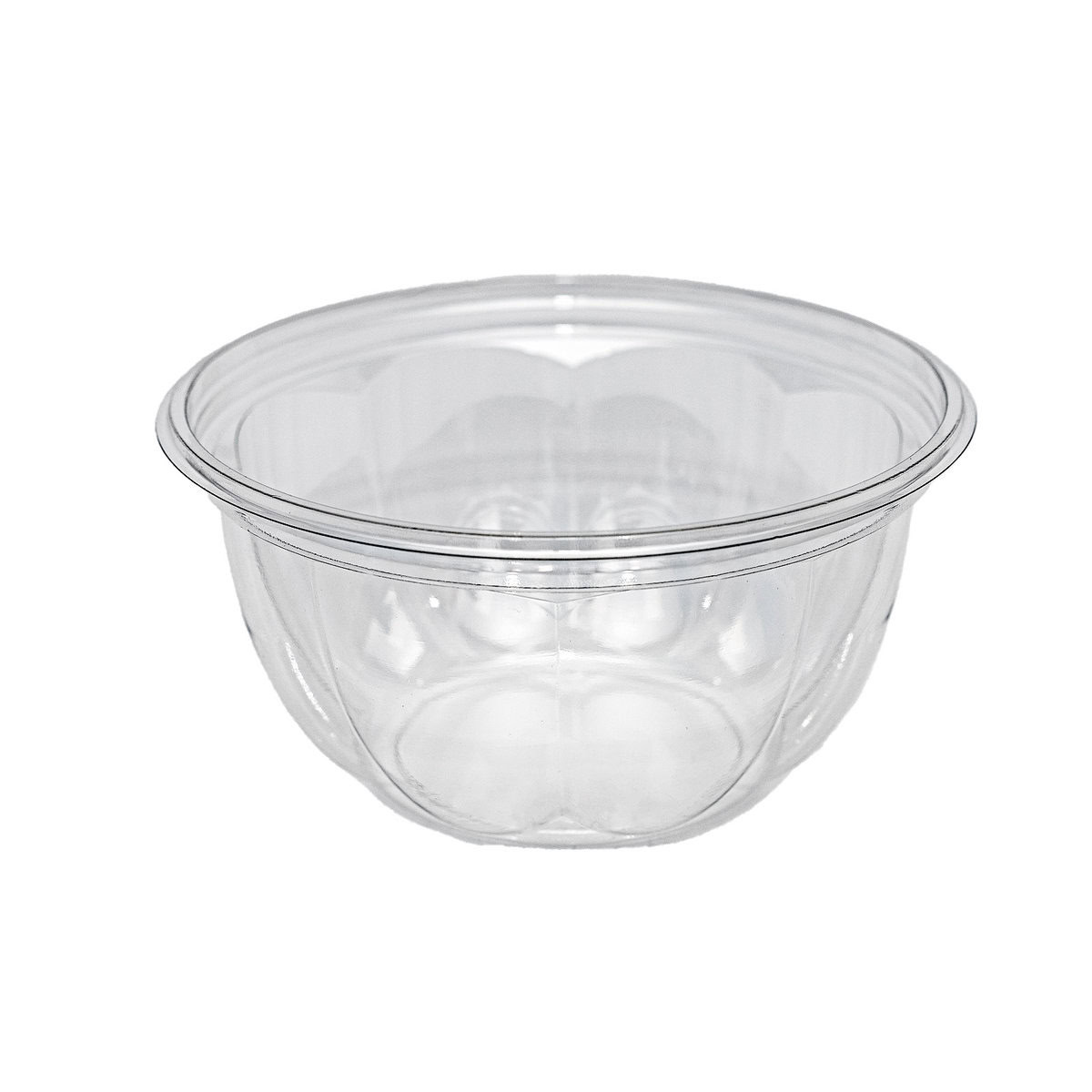
The retail food packaging sector is currently staring down a high-stakes transition. As we move through 2026, the EU’s Packaging and Packaging Waste Regulation (PPWR) has shifted from a distant threat to a hard reality, forcing a total rethink of how we source cereal bowls. For global buyers, the map has pivoted toward Turkey. Why? Because Turkey isn’t just a low-cost neighbor; it’s a high-tech “near-shoring” engine. With the EUR.1 certificate granting zero-tariff entry and advanced polymer recovery lines already in place, finding a certified rPET cereal bowl factory here is now the smartest move for any procurement team looking to hedge against the logistical mess of long-haul shipping.
The Real Deal on rPET for 2026 Cereal Bowl Compliance

Let’s be blunt: rPET is no longer just “recycled plastic.” In 2026, the market is split between generic recycled flakes and high-purity, food-grade resins that pass EFSA’s microscopic scrutiny. Cereal bowls are tricky—they need to handle the moisture of milk and the heat of porridge without leaching chemicals. That is where food-grade rPET comes in. It is post-consumer waste that has been scrubbed at a molecular level.
Strategic sourcing in this space is vital because the global rPET market is exploding, headed for a $27 billion valuation by 2034. In Europe, the 2026 SUPD (Single-Use Plastics Directive) updates mean your packaging must actively prove it’s part of the circular loop. By locking in a deal with a professional rPET cereal bowl supplier for bulk orders, you aren’t just buying containers; you are buying insurance against the massive “plastic taxes” hitting the EU. Plus, the carbon math is undeniable: Turkish rPET has a footprint roughly 75% smaller than virgin PET.
Why Turkish rPET Factories are Beating Asian Competitors
The competitive edge here is speed and geography. Asian factories might win on raw unit price by a few cents, but once you factor in the 2026 shipping volatility and a six-week lead time, the math fails. A Turkish plant can get a truck to Central Europe in days. This allows retail buyers to kill off the “stockpile” model and move to a lean, just-in-time inventory system.
From a tech standpoint, Turkey has bet big on “A-B-A” co-extrusion. This clever sandwiching of rPET between virgin layers ensures the food contact side is 100% safe while the bowl’s core carries the recycled weight. Most of these factories are now ISCC PLUS certified, which is the only “Chain of Custody” paperwork that 2026 ESG auditors actually care about.

Deep Dive: The Top 8 Manufacturers for 2026
-
Korozo Group is the heavyweight champion here. Their scale is staggering, and their KoroRCY project is basically the blueprint for 2026 circularity. If you need millions of units without a glitch, they are the obvious high-volume rPET cereal bowl factory for global distributors. Their mono-material designs are exceptionally easy to recycle, making them a “no-brainer” for massive supermarket contracts.
-
Sem Plastik is where you go if you care about the “feel” of the product. They supply the world’s biggest QSR chains and airlines, specializing in ultra-lightweight designs that don’t feel flimsy. As a leading lightweight rPET cereal bowl manufacturer for institutional catering, they have mastered the art of high-clarity molding—ensuring your cereal looks crisp through the plastic, not cloudy.
-
Sarten Ambalaj is an industrial beast. Their 2026 lines are all about automated precision. If your brand relies on automated filling lines, you need a heavy-duty rPET cereal bowl manufacturer for retail packaging like Sarten. Their high-speed camera systems kill off defects at the rim, which is the only way to guarantee a perfect seal every single time.
-
Meltem Kimya is a rare bird because they actually make the resin they use. They have their own chemical depolymerization setups, which is a massive plus for traceability. They are a truly vertically integrated rPET bowl supplier for wholesale buyers, giving you a direct line from the bottle flake to the finished bowl with zero “middleman” quality risk.
-
Gürsa Packaging is for the brands that want to stand out. They are brilliant at hybrid designs—think rPET bowls paired with recycled card sleeves. They are the go-to eco-friendly rPET cereal bowl supplier for brand owners who want that premium, organic aesthetic that says “sustainable” before a customer even reads the label.
-
Özge Plastik is the king of flexibility. While the giants want million-unit runs, Özge is much friendlier to the mid-sized player. As an oem/odm rPET cereal bowl factory for mid-sized distributors, they offer faster prototyping and much lower mold costs, which is a godsend for seasonal product testing or niche breakfast launches.
-
Akpolimer is the tech-nerd’s choice. They are pushing the boundaries of PCR content, often hitting 70% while staying within EFSA safety limits. They are a technically superior high-recycled-content rPET bowl supplier for European importers, especially for those trying to stay ahead of Germany’s aggressive recycling targets.
-
Dopack is the efficiency specialist based in Gaziantep. They’ve moved their whole operation to solar power, which is a huge selling point for carbon-conscious buyers. They operate as a very competitive rPET cereal bowl wholesaler in Turkey, offering rock-bottom pricing on standard 12oz and 16oz formats that just work.
Vetting Your 2026 Sourcing Partners

Procurement in 2026 isn’t just about the handshake. You need the “Certificate of Analysis” (CoA) for every single batch. Buyers should be demanding mass-balance verification to ensure that 30% rPET claim isn’t just marketing fluff. Check the “b-value” too—if the bowls look yellow, the filtration was lazy. High-end Turkish plants use NIR sorting to keep the flakes clear and the bowls bright.
Always run a “Stress Test” on your samples. A professional rPET cereal bowl factory for international trade won’t flinch if you ask for a 15kg compression test. If the bowl cracks under the weight of a stacked pallet, it’s useless for retail. Finally, watch the resin price index. The best partners offer a pricing formula linked to the ICIS index, so you aren’t getting gouged when market prices dip.
Final Thoughts: The 2026 Strategic Hedge
Sourcing from Turkey isn’t just a trend; it’s a defensive move against a chaotic global economy. By partnering with heavyweights like Korozo or specialists like Özge, you satisfy both the regulators in Brussels and the consumers on the high street. The future of packaging is a closed loop, and the Turkish manufacturing base is currently the shortest, most reliable path to closing it.