
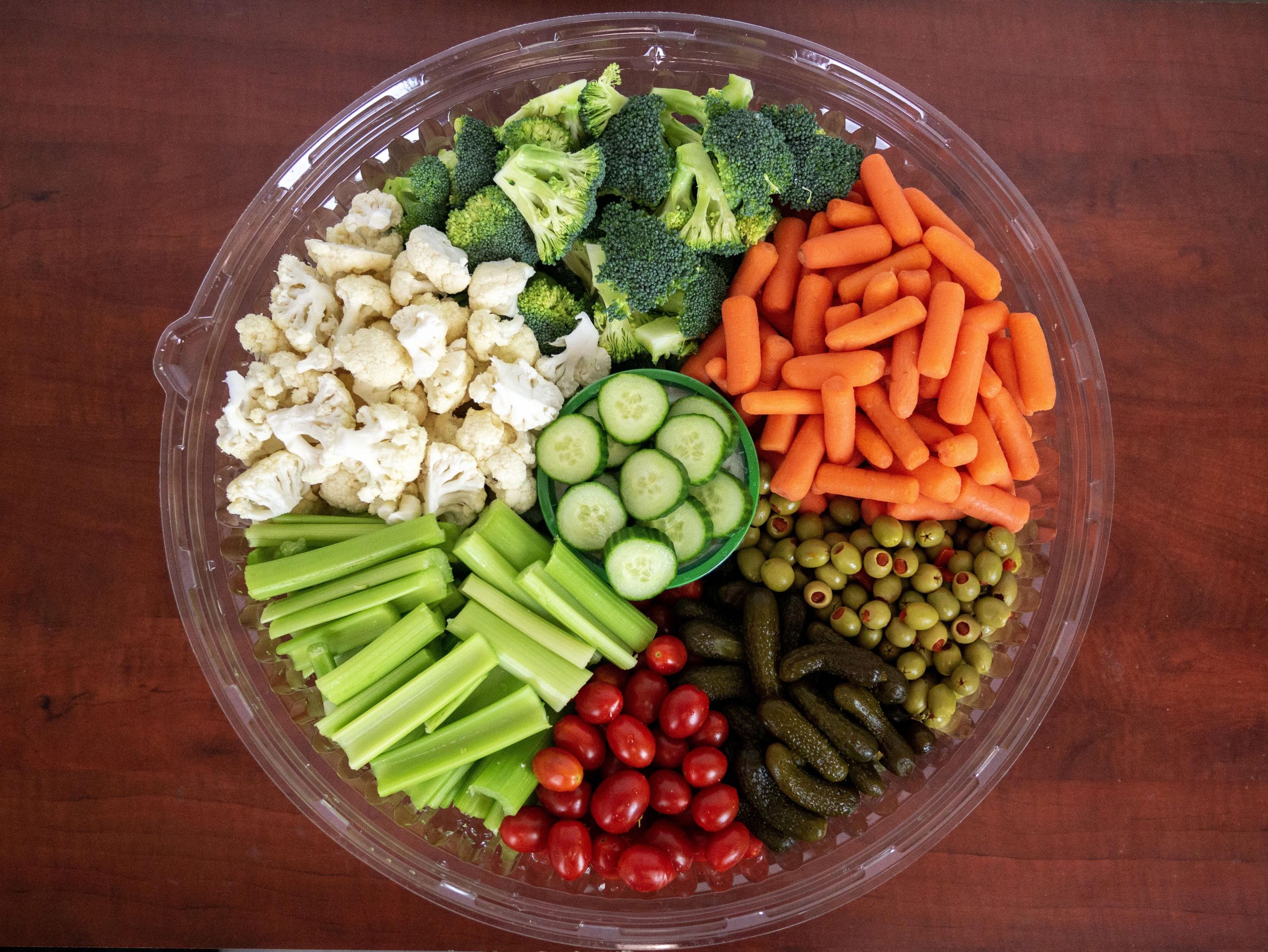
People rarely argue about veggie trays until they actually have to deal with one.
On the surface, the choice looks simple. You either grab a ready-made tray from the store or build one yourself from fresh vegetables. The first option costs more money. The second costs more effort. End of discussion—or so it seems.
But once veggie trays are used for anything beyond a casual snack, that clean comparison falls apart. Office meetings, school events, client receptions, family gatherings—these situations introduce pressure. Suddenly, the tray isn’t just food. It’s a small public statement. And public statements tend to be expensive in ways receipts don’t capture.
Why Veggie Trays Behave Differently From Normal Food

Veggie trays are not meant to satisfy hunger. They exist to be present. They sit on tables for hours, sometimes untouched, sometimes picked over unpredictably. Their value is visual as much as nutritional.
This changes how cost works. A tray that looks good for three hours is “cheaper” than one that looks tired after thirty minutes, even if the ingredients cost less. That’s why large retailers don’t improvise. Many rely on a custom veggie tray manufacturer to control appearance, layout, and shelf behavior.
At home, people often underestimate how much that control matters—until they lose it.
What You’re Actually Paying for When You Buy a Veggie Tray
Store-bought veggie trays are often dismissed as overpriced vegetables in plastic. That criticism isn’t wrong, but it’s incomplete.
The price includes decisions you didn’t have to make. Which vegetables survive refrigeration best? How thick should each slice be to avoid drying out? How much dip looks generous without bleeding into the tray? These choices are boring, but they prevent failure.
That’s why trays across different stores often look similar. They aren’t copying each other for creativity’s sake. They’re copying what works. Behind many of them is a fresh vegetable tray supplier optimizing for consistency, not excitement.
Consistency, especially in public settings, quietly saves money.
Homemade Veggie Trays Feel Cheaper—Until the Math Gets Messy
If you price vegetables individually, homemade trays almost always win. A bag of carrots here, a cucumber there, some celery, maybe tomatoes. The numbers look great at first.
Then reality interferes. Vegetables don’t come in tray-sized portions. You buy more than you need, and trimming reduces usable volume. What looks like abundance quickly turns into leftovers you didn’t plan for.
Sometimes those leftovers get used. Often they don’t. When they don’t, the “cheap” tray becomes less cheap than expected.
This is why commercial operations rarely rely on intuition. Many work with a private label veggie tray manufacturer that sizes components based on consumption data, not optimistic guesses.
Time Isn’t Free, Even When You Don’t Count It
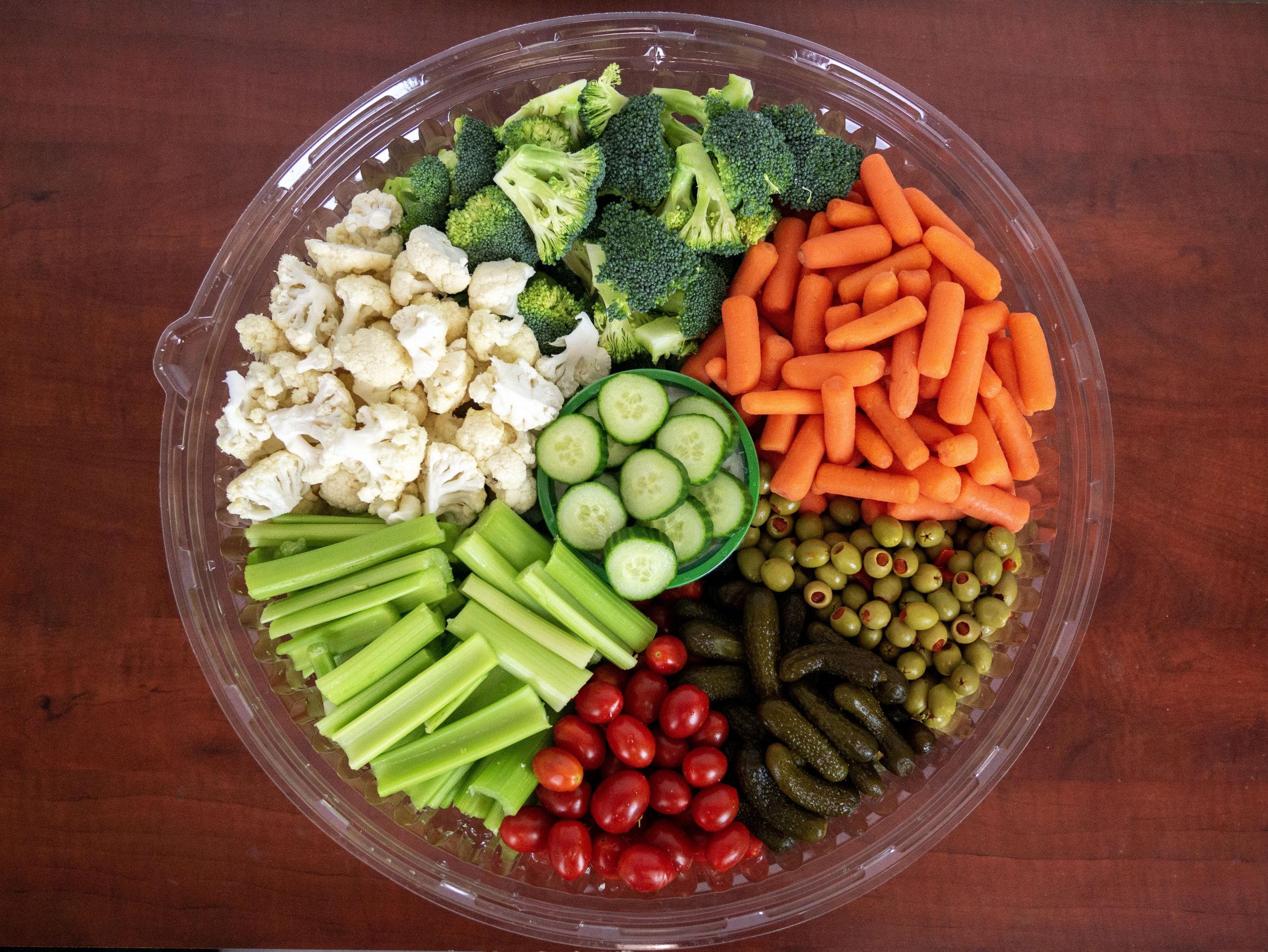
Most comparisons treat time casually. “It only takes a few minutes.” That’s usually said by someone who hasn’t made more than one tray at a time.
Preparation scales poorly. Washing, drying, cutting evenly, arranging neatly—none of this speeds up linearly. Add presentation pressure, and small delays compound quickly.
In workplaces and institutions, that time competes with paid labor. At that point, ingredient savings become irrelevant. That’s when organizations shift to an OEM vegetable tray factory, not because the trays are special, but because staff time is.
At home, time may not have a price tag, but it still has an opportunity cost. People feel it even if they don’t calculate it.
When Making Your Own Veggie Tray Actually Makes Sense
Homemade trays shine when control matters more than predictability. Small gatherings, flexible schedules, and known preferences create ideal conditions.
You can choose vegetables you know will be eaten. You can skip fillers. You can adjust portions instinctively. Waste drops, and leftovers get absorbed into normal meals.
This is also where customization becomes meaningful. Allergies, organic preferences, or specific diets are easier to manage when nothing is pre-decided. Some small-scale operators keep this flexibility while still improving presentation by sourcing packaging from a vegetable tray packaging factory.
In these situations, DIY isn’t just cheaper—it feels better.
When Buying a Veggie Tray Is the Economical Move
Buying a tray becomes cost-effective when the margin for error shrinks.
Large groups don’t eat evenly. Some people hover, others ignore the tray completely. The tray needs to survive both extremes. Store-bought options are built for that abuse.
There’s also appearance risk. Uneven cuts, dried edges, or awkward spacing don’t just look bad—they signal lack of care. In professional environments, that signal can cost more than the tray itself.
That’s why many offices and event planners rely on a foodservice veggie tray supplier for wholesale buyers. They aren’t paying for flavor. They’re paying to avoid embarrassment.
The Customization Myth and the Consistency Reality
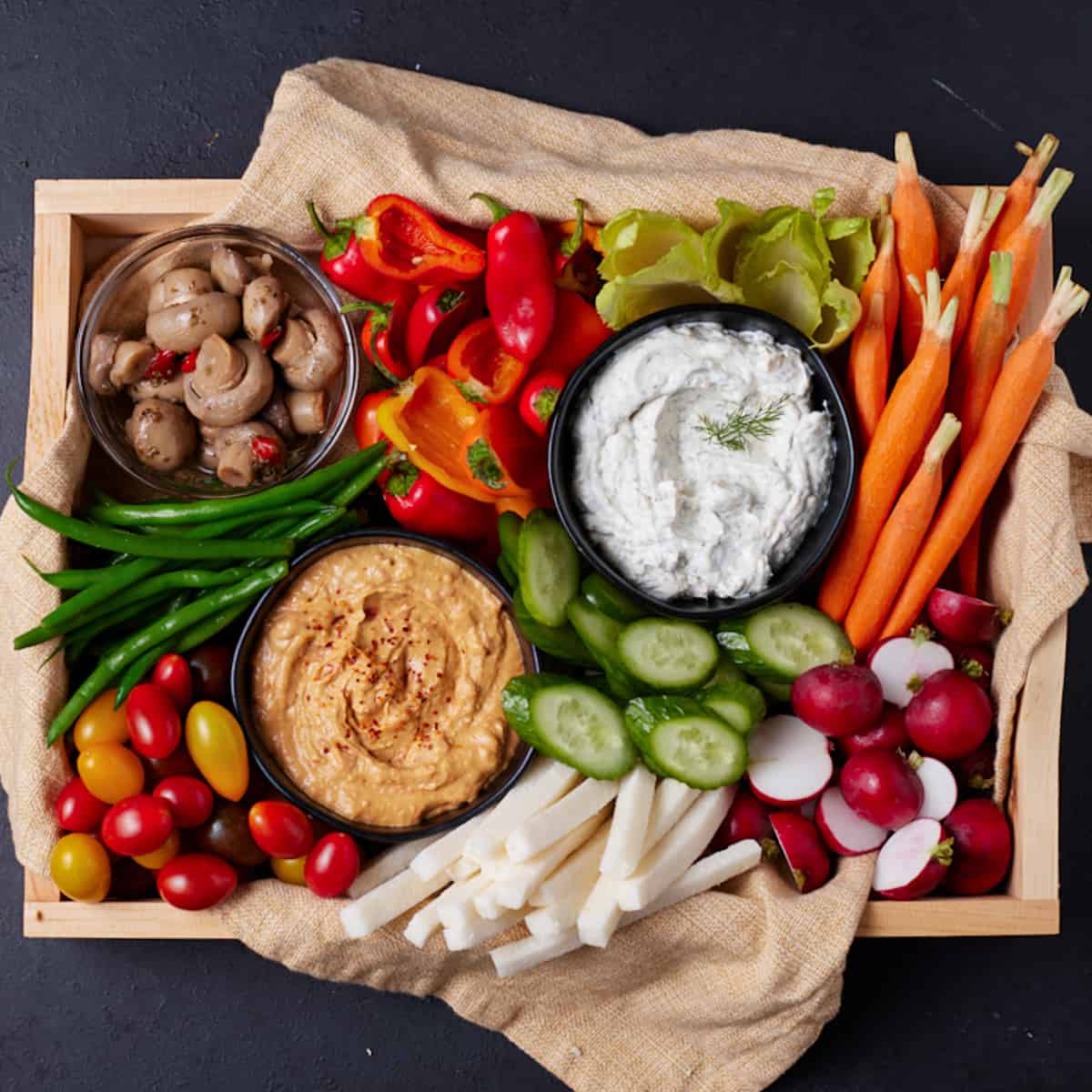
DIY advocates often cite freedom of choice as the biggest advantage. And it is—up to a point.
More options also mean more decisions. More decisions mean more chances to misjudge quantities or combinations. Customization is powerful, but it demands experience.
Commercial trays sacrifice some flexibility to gain reliability. Many are produced by a bulk veggie tray manufacturer whose real product is predictability. The tray you see is just the delivery system.
That trade-off isn’t wrong. It’s situational.
Cost-Effectiveness Depends on What You’re Protecting Against
If your biggest fear is overspending, making your own tray usually wins. If your biggest fear is running out, looking unprepared, or wasting time, buying often wins.
The problem with online comparisons is that they assume everyone is protecting against the same risk. They’re not.
Some buyers now even factor sustainability into the equation, choosing options from a sustainable veggie tray manufacturer for commercial clients, accepting slightly higher prices in exchange for packaging and sourcing values.
Once again, cost expands beyond numbers.
The Honest Answer No One Likes
There is no universally cheaper option.
Making a veggie tray is cost-effective when you have time, flexibility, and a plan for leftovers. Buying a tray is cost-effective when predictability, speed, and presentation matter more than raw ingredient prices.
Veggie trays sit at the intersection of food, logistics, and social signaling. Treating them like simple grocery items misses why they exist in the first place.
The most cost-effective choice is the one that minimizes regret afterward. And regret, inconveniently, doesn’t show up on receipts.