
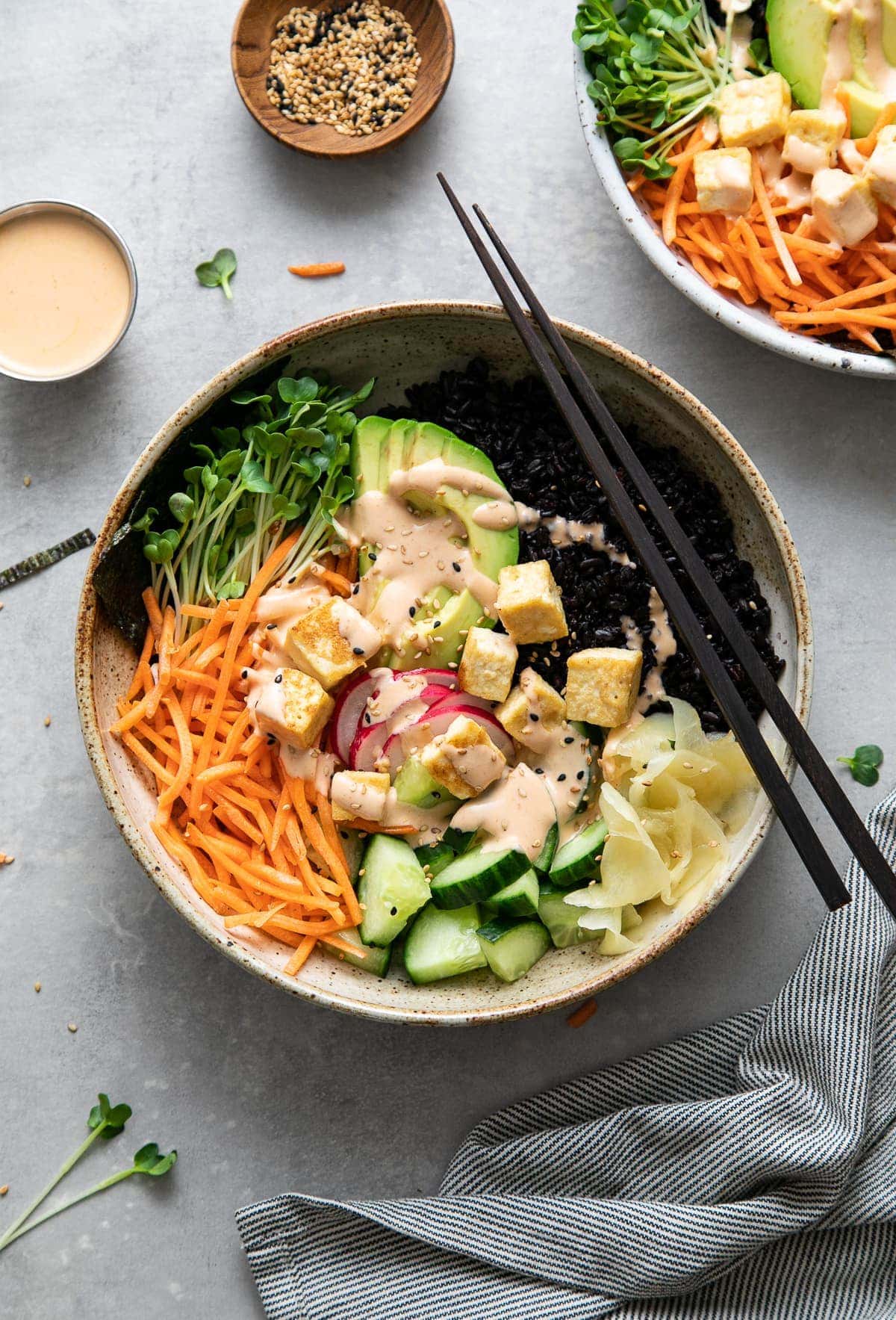
People tend to trust sushi bowls almost immediately. Maybe it’s the way everything is visible. Maybe it’s the colors. Or maybe it’s just because bowls feel calmer than rolls. Whatever the reason, sushi bowls often get a free pass before anyone really asks whether they deserve it.
That doesn’t mean they’re unhealthy. It just means the answer is not automatic. Sushi bowls are flexible, and flexibility doesn’t come with instructions. That’s true whether you’re a regular customer at a lunch spot or a brand sourcing packaging from a custom sushi bowl manufacturer and deciding what story the product tells.
Are Sushi Bowls Actually Healthy?
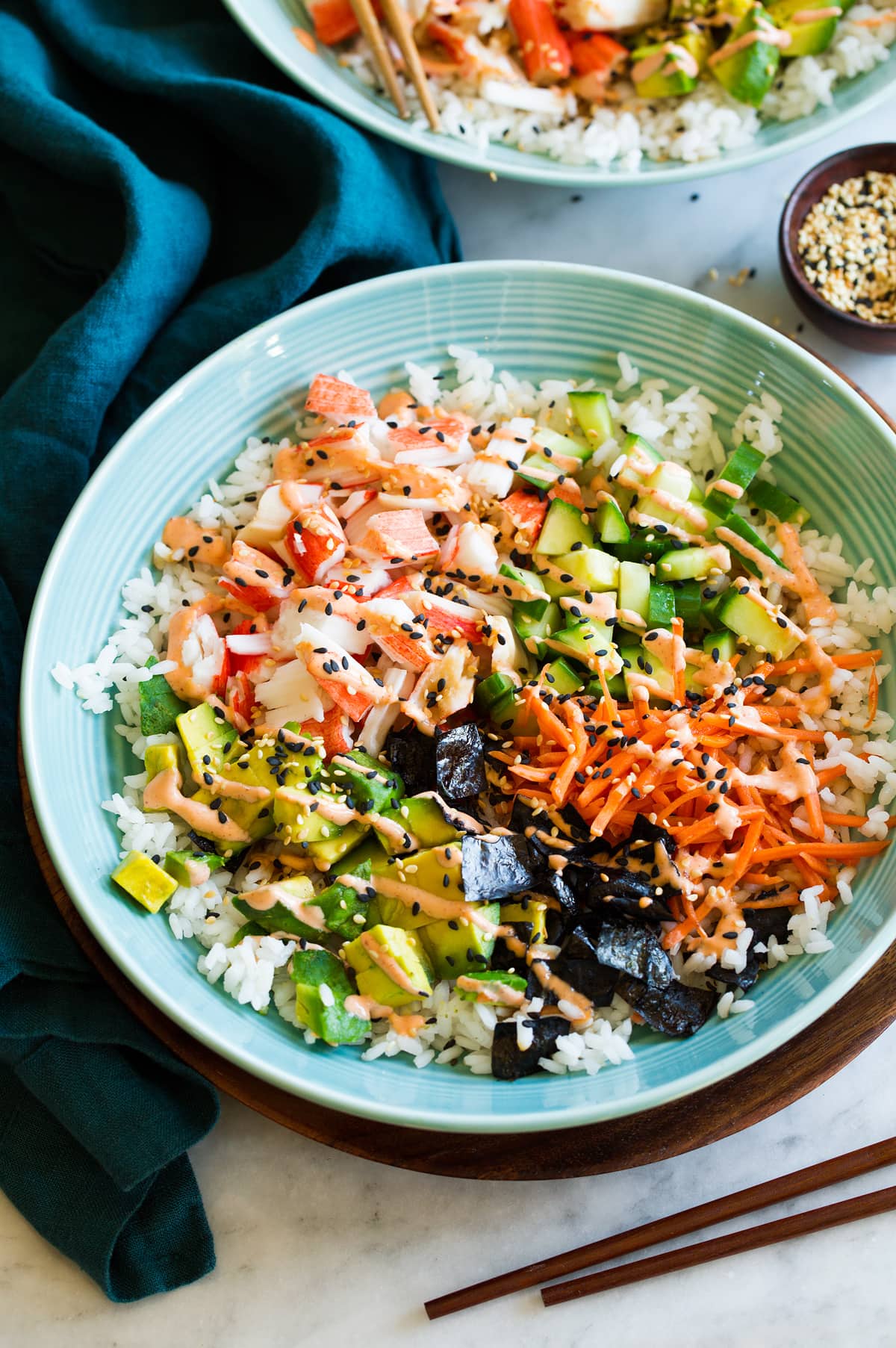
The honest answer changes depending on the bowl.
Sushi bowls benefit from contrast. When compared with fried meals or heavily processed foods, fish and rice feel reasonable. That comparison does a lot of the work. It creates an assumption that the bowl itself is the healthy choice.
But a bowl doesn’t limit anything. It doesn’t stop refined carbohydrates, excess sauce, or oversized portions. It simply holds them. That’s why sushi bowls can work well for people paying attention, and quietly fail people who aren’t.
This neutrality is also why foodservice concepts working with a food-safe sushi bowl supplier like the format so much. The same container can support very different nutritional outcomes without changing its identity.
What You’re Actually Eating When You Order One
Calories are usually underestimated. Two sushi bowls can look nearly identical and still land far apart nutritionally. The base does most of that work. White rice adds energy fast and digests fast. Sauces accelerate that effect more than most people expect.
Protein is where sushi bowls tend to deliver. Fish portions are usually large enough to feel satisfying, and fish protein doesn’t weigh the meal down the way other proteins can. That lightness is part of why sushi bowls feel easier to eat regularly. It’s also why brands developing functional meals often turn to an OEM sushi bowl factory instead of adapting traditional sushi formats.
Carbohydrates tell a more uneven story. Brown rice and quinoa slow digestion and tend to keep people full longer. Vegetable bases change the entire experience. They lower calories but also remove structure, which means protein and fat suddenly matter more.
Micronutrients don’t announce themselves, but they accumulate. Fatty fish contributes omega-3 fats that influence inflammation and cardiovascular health over time. Seaweed brings iodine and selenium, which many diets lack entirely. Vegetables add vitamins quietly, without changing the overall flavor much.
Fiber is where many bowls miss. Without intentional base or vegetable choices, fiber stays low. The bowl looks balanced, but digestion happens quickly. For companies refining products with a ODM sushi bowl packaging manufacturer, this is often discovered through repeat customer behavior rather than nutrition labels.
The Health Benefits That Actually Matter
Omega-3 fats are the clearest advantage sushi bowls offer. They support heart health, influence cholesterol balance, and reduce inflammatory markers when consumed consistently. Sushi bowls don’t make these benefits dramatic, but they make them accessible.
Protein quality supports this quietly. Fish proteins provide complete amino acid profiles without excess calories. That matters for muscle maintenance, satiety, and metabolic stability, especially for people who eat these meals often.
Brain health is harder to connect to a single meal, which is why it’s often ignored. DHA and EPA support cognitive structure, but the effect is cumulative. Sushi bowls contribute by being repeatable, not by being extraordinary.
Blood sugar response depends entirely on balance. Some bowls sustain energy for hours. Others lead to hunger surprisingly fast. The difference is rarely the fish. It’s the base and the sauce.
Vegetables and seaweed add antioxidant compounds that reduce oxidative stress over time. This isn’t something people feel immediately, but it’s part of why sushi bowls age well as a habit. Brands aligned with a sustainable sushi bowl manufacturer often lean on this long-term credibility rather than short-term claims.
Where Sushi Bowls Start to Break Down
Sodium is usually the first issue. It builds invisibly. Soy sauce, marinades, and glazes layer on top of one another. The final amount often surprises people who eat sushi bowls several times a week.
Mercury exposure depends on fish choice. Tuna carries more mercury than salmon or shrimp. Eating it occasionally is not a concern, but relying on it repeatedly deserves moderation. Rotating proteins solves most of the risk.
Calories hide in sauces and toppings. Cream-based additions, oils, and fried elements add energy quickly and rarely add satisfaction. Removing them often improves the bowl instead of diminishing it.
Food safety matters whenever raw fish is involved. Proper sourcing and cold-chain handling are non-negotiable. For operations sourcing at scale through a sushi bowl factory serving professional kitchens, this concern sits alongside flavor, not behind it.
Refined carbohydrates also deserve restraint. Large rice portions can undermine otherwise balanced bowls, especially for less active eaters.
Making a Sushi Bowl Better Without Obsessing Over It
Healthier bowls come from attention, not rules. Fiber changes digestion. Protein anchors the meal. Sauce should support flavor rather than dominate it.
Vegetables need to feel intentional. Their volume matters. Even container design plays a role here. Brands working with a private label sushi bowl manufacturer often adjust bowl proportions so balance looks natural instead of forced.
Sushi Bowls for Different Priorities
For weight-focused eating, bowls work best when protein leads and sauces stay secondary. For muscle-focused goals, larger protein portions paired with thoughtful carbohydrate intake matter more.
Blood sugar control improves when refined grains are reduced and portions remain consistent. Heart-focused eating leans on omega-3-rich fish and sodium awareness. Pregnancy-safe bowls rely on cooked proteins and low-mercury seafood, avoiding raw fish entirely.
This adaptability explains why sushi bowls scale well and why many brands choose a commercial sushi bowl manufacturer to support multiple menu directions with one format.
Sushi Bowls Compared With Sushi Rolls
Bowls expose everything. That visibility makes moderation easier, but it also reveals excess. Rolls hide more, especially sauces and fried components, which makes estimation harder.
Bowls often deliver more protein and vegetables per serving. Rolls deliver familiarity and indulgence. Neither is automatically healthier. Context decides.
Ordering Sushi Bowls With Fewer Surprises
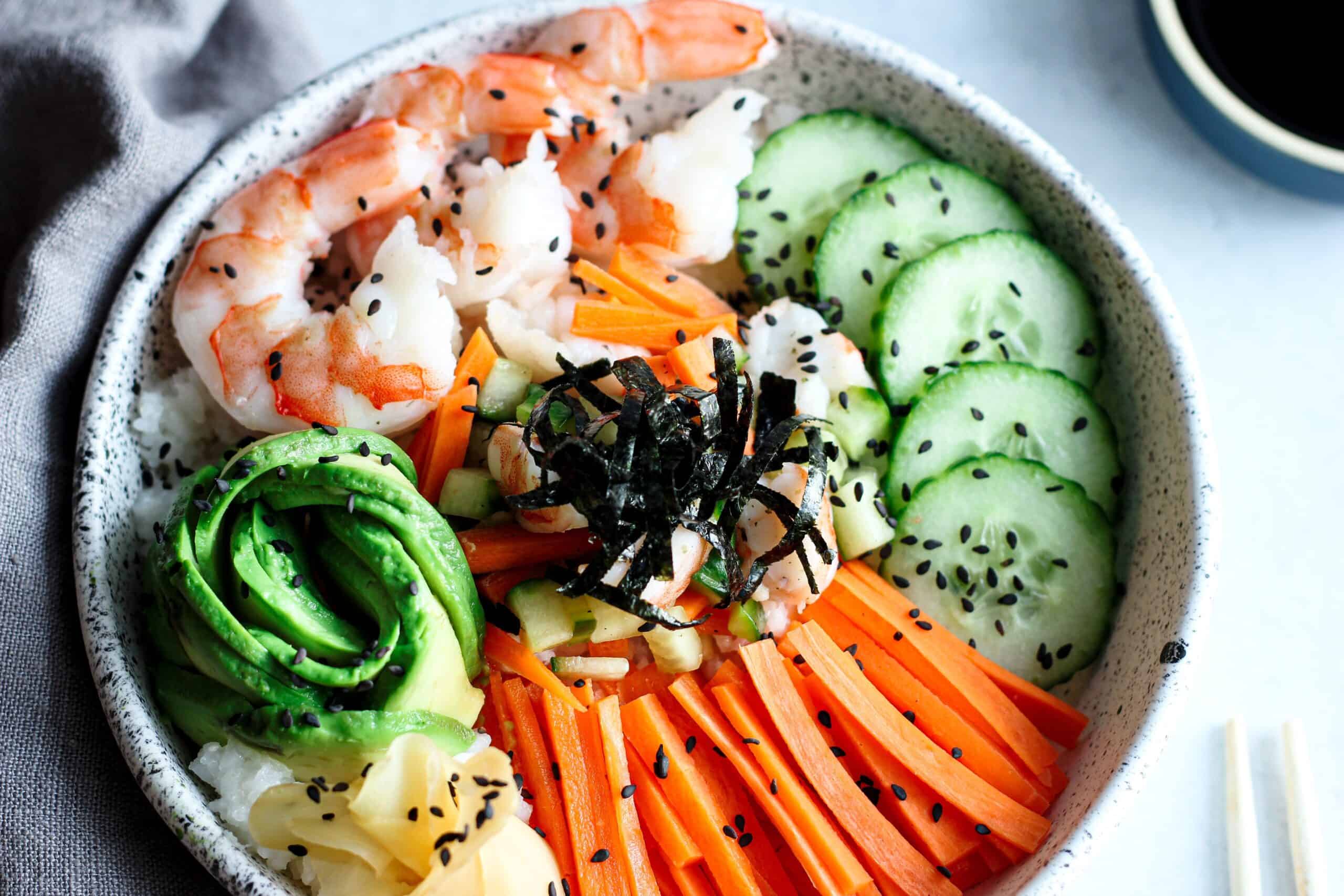
Ordering well usually comes down to awareness. Asking how sauces are prepared and watching portion sizes changes outcomes quickly.
When nutrition information isn’t available, visual density helps. Thick sauces and fried toppings usually signal higher calorie loads. Simpler bowls tend to be more predictable.
Making Sushi Bowls at Home
At home, sushi bowls become straightforward. Control over ingredients and portions improves results immediately. A small rotation of components creates variety without effort. Raw fish requires care, but cooked options work just as well nutritionally.
Cost tends to favor homemade bowls over time. For prepared-meal businesses, working with a sushi bowl manufacturer focused on wholesale foodservice solutions helps preserve consistency without losing nutritional intent.
Final Thought
Sushi bowls aren’t healthy by default. They’re adjustable. When built with attention, they support steady energy and long-term habits. When built carelessly, they repeat familiar mistakes.
For both diners and brands sourcing through a sushi bowl manufacturer serving bulk foodservice demand, the conclusion stays the same: the bowl doesn’t decide. The choices do.