
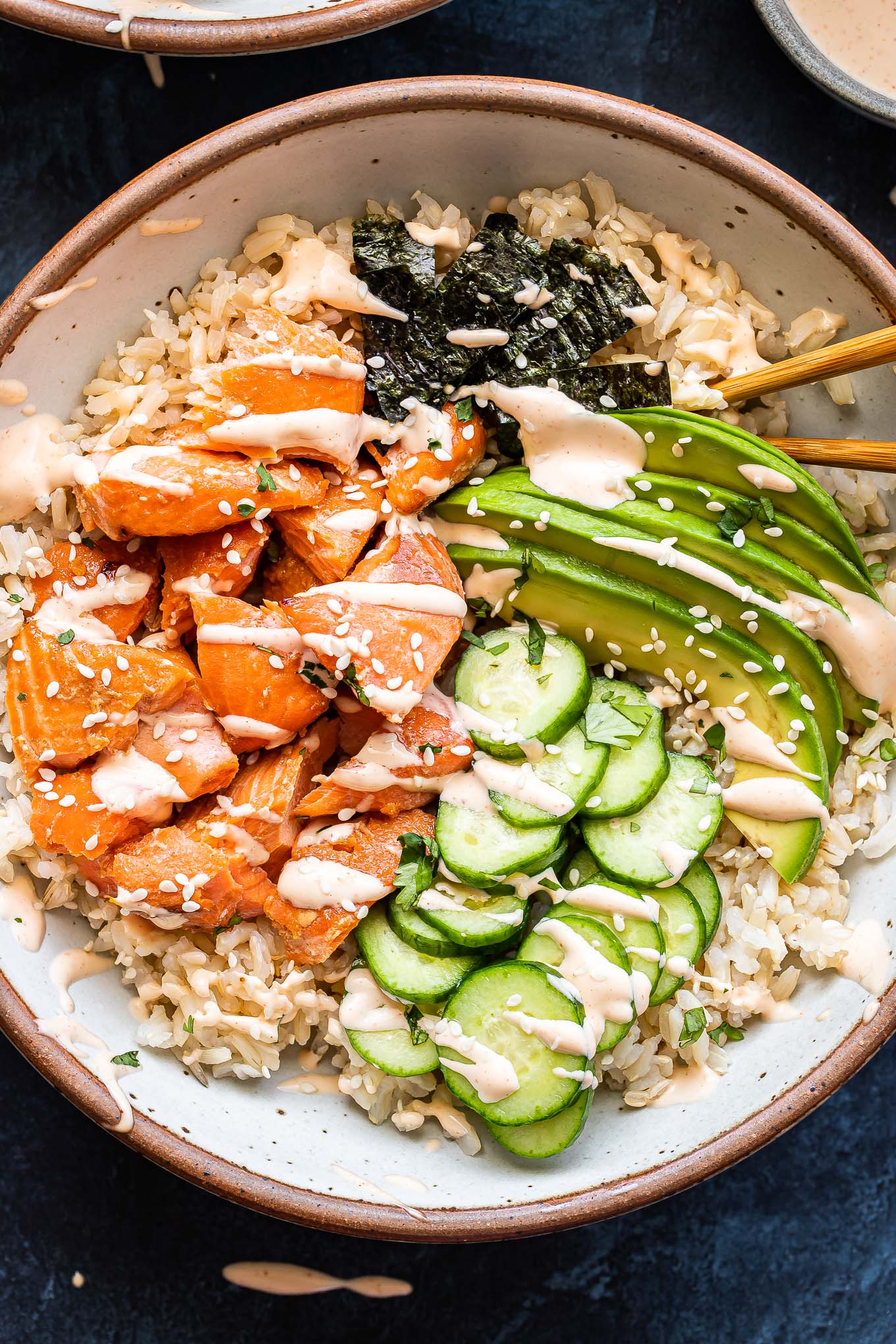
Making a sushi bowl at home sounds simple on paper. Rice, toppings, sauce, done. In reality, the bowl has a way of exposing shortcuts. If the rice is off, you notice immediately. If the balance is wrong, no sauce can really hide it.
That’s why sushi bowls are interesting to cook. They don’t reward complexity. They reward attention.
Once you accept that, the process becomes much easier—and far more forgiving.
Why Sushi Bowls Are Easier Than Sushi, But Harder Than They Look

A sushi roll hides mistakes. A bowl doesn’t. Everything sits in the open, which means texture and temperature matter more than presentation.
This openness is also why bowls scale so well in commercial kitchens. Many brands choose to work with a custom sushi bowl manufacturer not because bowls are trendy, but because they adapt. Portion sizes shift. Proteins rotate. The base stays familiar.
At home, that same flexibility lets you cook without chasing perfection. You’re not recreating a restaurant dish. You’re assembling something that makes sense with what you have.
Ingredient Choices That Actually Matter
You can overthink ingredients very quickly. Most people do. The truth is that only three elements really decide whether a sushi bowl works: rice, protein, and balance.
Rice carries the dish. If it’s wrong, everything feels wrong. Short-grain rice behaves differently than long-grain, not just in stickiness but in how it absorbs seasoning. That’s why professional kitchens sourcing through a private label sushi bowl supplier obsess over rice consistency long before toppings enter the conversation.
Protein doesn’t need to be exotic. Raw fish is optional, not mandatory. Smoked salmon, shrimp, tofu, or even grilled chicken can all work if they’re prepared with restraint. Many menus developed alongside a food-safe sushi bowl factory lean heavily on cooked proteins simply because they’re reliable.
Vegetables fill the gaps. Crunch, freshness, and acidity matter more than variety. Two well-prepared vegetables usually outperform five random ones.
Sushi Rice: The Quiet Backbone of the Bowl
Rice preparation is where patience shows up. Washing removes excess starch, but what happens after cooking matters just as much. Rice should be warm, not steaming. Sticky, but not wet.
Seasoning isn’t about exact ratios. It’s about tasting the rice as part of a bowl, not on its own. Too sharp and it competes with the protein. Too mild and everything feels dull.
In test kitchens working with an OEM sushi bowl manufacturer, rice seasoning changes constantly depending on toppings. At home, you have the same freedom. Trust your taste more than the recipe.
Protein Without the Stress
Raw fish demands respect, not fear. Clean tools, cold storage, and sharp knives reduce most risks. Still, there’s no shame in choosing cooked options.
Tofu improves when it’s allowed to brown properly instead of being rushed. Shrimp only needs seconds too long to turn tough. Smoked fish needs very little handling at all.
Portion size should support the rice, not dominate it. That balance mirrors how bowls are designed for scale when paired with a sushi bowl packaging manufacturer, where cost, nutrition, and visual weight all matter.
Vegetables and Texture Choices

Vegetables give structure. Cucumbers add snap when dried briefly after cutting. Avocados should be sliced late to avoid discoloration. Pickled elements add contrast that sauce alone can’t provide.
Nori and sesame often feel optional until they’re missing. Then the bowl feels unfinished. Nori stays crisp when added at the last moment. Sesame releases aroma only after gentle heat.
These details are the same ones considered when products are developed with a customizable sushi bowl manufacturer, where small textural choices affect the entire eating experience.
Sauce: Less Fixing, More Connecting
Sauce is where most bowls fail. Too much sauce doesn’t improve balance. It covers mistakes.
A good sushi bowl should taste complete before sauce is added. Sauce should connect ingredients, not drown them. Whether it’s spicy mayo or citrus soy, restraint matters more than creativity.
In large-scale operations supplied by a bulk sushi bowl supplier, sauces are controlled carefully for this reason. At home, a lighter hand usually produces a cleaner result.
Assembling the Bowl With Purpose
Assembly isn’t decoration. It’s practical. Warm rice goes in first so it doesn’t cool too quickly. Protein follows while the rice still holds heat. Vegetables create contrast. Sauce comes last.
Temperature contrast keeps the bowl interesting. Warm rice against cool toppings creates depth without extra ingredients. This same logic appears in layouts designed by sushi bowl solutions for foodservice buyers, where bowls must survive transport and still eat well.
What “Restaurant-Quality” Really Means
Restaurant-quality doesn’t mean complicated. It means deliberate.
Fewer ingredients. Better timing. Clear roles for each component. Prep what you can ahead, but respect what needs to be fresh. Rice and sauce tolerate advance prep. Proteins and avocados do not.
This workflow mirrors how chefs collaborate with a sustainable sushi bowl manufacturer, balancing efficiency with freshness instead of chasing perfection.
Adjusting Sushi Bowls for Different Diets
Sushi bowls adapt easily. Vegetarian versions rely on texture and umami rather than imitation seafood. Low-carb bowls reduce rice while keeping seasoning intact. Gluten-free bowls depend more on sauce choices than core ingredients.
For families, cooked proteins and mild flavors make bowls approachable. This adaptability is why many operators choose a sushi bowl container supplier for wholesale buyers, supporting multiple portion sizes without redesigning the dish.
Storage, Leftovers, and Honest Expectations
Sushi bowls work best when assembled close to eating. Components store well separately, but fully assembled bowls rarely improve with time.
Rice keeps briefly when cooled properly and reheated gently. Raw fish should be used quickly. Vegetables last longer when kept dry.
This reality matches how consumers interact with products from a commercial sushi bowl manufacturer, where freshness and timing matter more than presentation alone.