
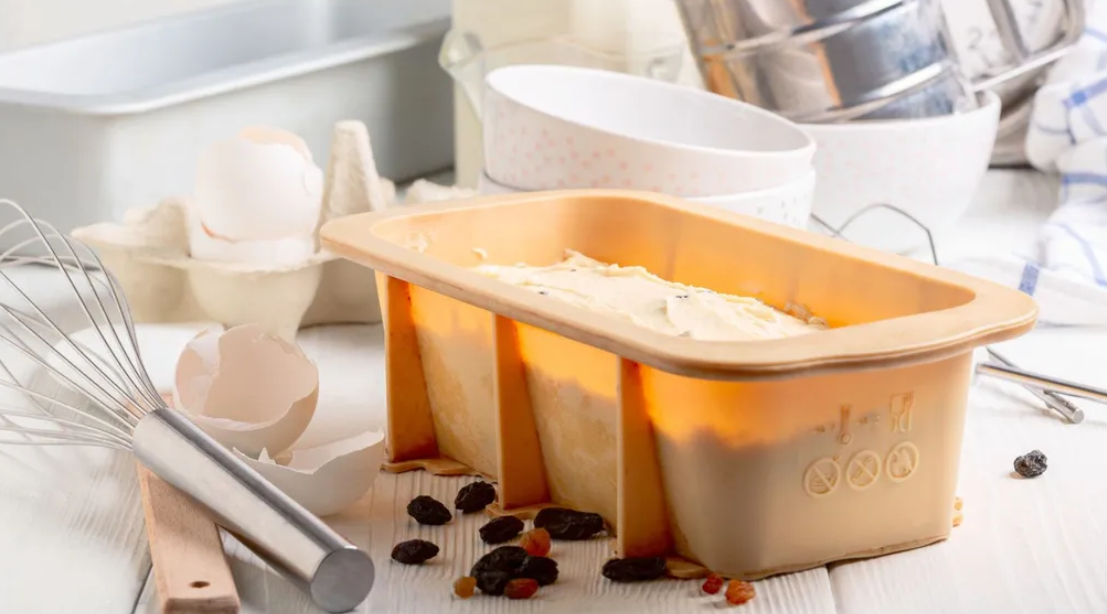
Silicone baking trays usually enter the kitchen quietly. People do not buy them after researching material science. They buy them because cakes come out clean, because storage is easier, or because someone recommended them as a “modern upgrade.” After a while, silicone trays feel normal. And when something feels normal, it stops being questioned.
Safety concerns tend to surface much later. A tray that once felt smooth becomes slightly cloudy. A faint smell appears during baking, then disappears. Online opinions contradict each other, some claiming silicone is completely inert, others warning it behaves like plastic under heat. None of these signals are dramatic enough to force a decision, which is why the question lingers instead of being resolved.
Silicone baking trays are not obviously unsafe, but they are also not as simple as they appear. Their safety depends on small details that most people never think about until something changes.
What “Silicone” Actually Refers To
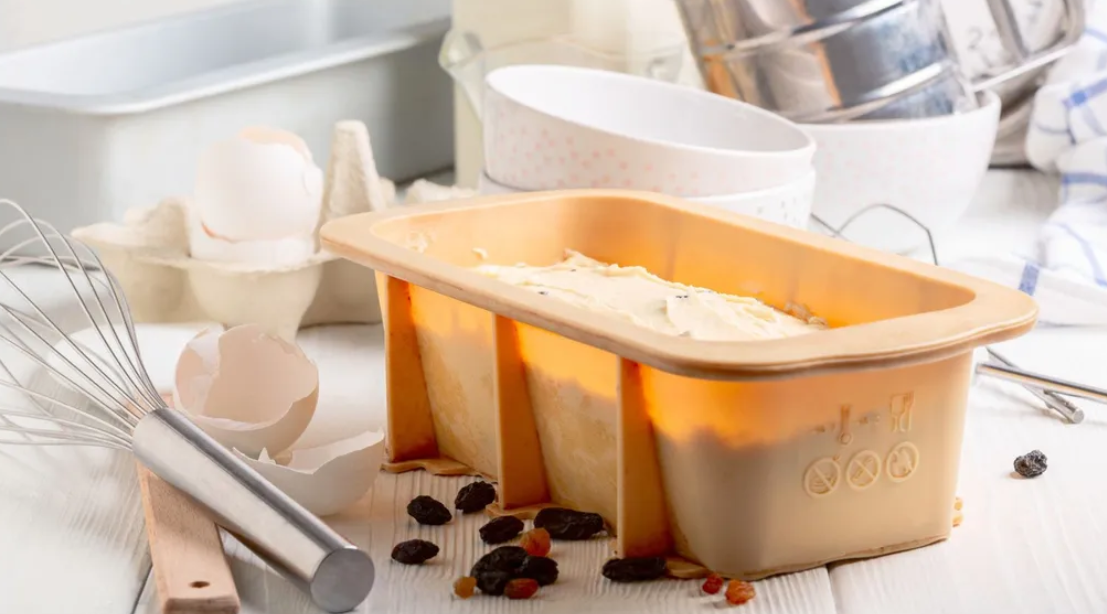
One of the main problems is language. “Silicone” sounds like a single, well-defined material, but in practice it covers a wide range of formulations. Food-grade silicone is designed to remain stable under heat and repeated food contact. That stability is the reason it can go into an oven at all.
The complication is that not every product sold under the silicone label is made the same way. Some trays include fillers that reduce cost or adjust texture. These fillers are rarely obvious at first glance. A tray can feel flexible, look clean, and still behave differently once heat becomes part of the equation.
Over time, those differences show up subtly. Higher-quality trays tend to remain flexible and neutral-smelling even after long use. Lower-quality ones may stiffen slightly or release odors when heated. None of this necessarily means the tray is “toxic,” but it does suggest that the material is changing.
Safety, in this context, is not about sudden failure. It is about whether the material remains stable or slowly drifts away from what it was when new.
Heat Resistance Beyond the Packaging Claim
Most silicone baking trays advertise a maximum temperature around 220°C. On paper, that seems sufficient. Many everyday baking recipes never come close to that limit, which explains why silicone works fine for casual use.
Real ovens, however, are not uniform spaces. Heat concentrates near elements and walls, and temperature fluctuations happen even during ordinary baking cycles. Silicone placed directly on a rack may experience much higher localized heat than the oven setting suggests.
Unlike metal, silicone does not distribute heat efficiently. This insulation can prevent burning, but it also means stress is uneven. Instead of cracking or melting, the tray absorbs heat in specific areas. Over time, this leads to gradual changes rather than obvious damage.
This is why some people instinctively place silicone trays on metal baking sheets. It is not about fear. It is about creating a buffer between the tray and the most aggressive heat zones in the oven.
Chemical Concerns and Why Experiences Differ

Much of the anxiety around silicone bakeware comes from studies examining chemical release at high temperatures. These studies are real, but they are often cited without context. What they usually show is that certain compounds can be detected when silicone is pushed beyond its intended temperature range.
Under normal baking conditions, food-grade silicone shows very low chemical migration. The uncertainty increases when temperatures climb higher or when the material contains fillers that degrade sooner.
This helps explain why user experiences vary so widely. Some people use silicone trays for years without noticing anything unusual. Others report smells or texture changes relatively quickly. The difference is rarely a single factor. It is usually a combination of heat, frequency of use, and product quality.
Long-term health effects are difficult to isolate because exposure levels are low and inconsistent. What can be said with confidence is that careful use reduces uncertainty far more effectively than avoiding silicone entirely.
How Everyday Habits Influence Safety
Silicone trays look forgiving, which encourages casual handling. That casual use is not always harmless. Repeatedly placing a cold tray into a fully heated oven introduces thermal stress that accumulates slowly.
First use also matters more than people expect. Heating a new tray empty can release residual manufacturing odors and reveal early material weaknesses. If a tray smells strongly or changes appearance during this stage, it is unlikely to improve with time.
Cleaning habits also play a role. Dishwashers are convenient, but repeated exposure to high heat and strong detergents can roughen silicone surfaces. Hand washing is slower, but it tends to preserve texture and flexibility.
None of these habits instantly turn a safe tray into an unsafe one. They simply determine how long the tray remains in its most stable state.
When Silicone Is Not the Right Choice

There are situations where silicone baking trays struggle, regardless of quality. Cooking methods that rely on intense, direct heat—such as broiling—push silicone close to its limits. Thin trays are especially vulnerable in these conditions.
Recipes that depend on crisp edges or strong browning also highlight silicone’s weaknesses. Because it insulates rather than conducts heat, silicone cannot replicate the results of metal. Raising oven temperatures to compensate often stresses the tray more than the food benefits.
Another concern is unclear labeling. Products that avoid stating precise temperature limits or material standards leave too much uncertainty. In those cases, the risk comes less from silicone itself and more from not knowing what the tray actually contains.
Environmental considerations also influence some decisions. Silicone is durable but not biodegradable, and recycling options remain limited. This does not affect oven safety directly, but it does shape whether silicone fits broader priorities.
Choosing Silicone With Fewer Unknowns
Higher-quality silicone bakeware tends to be specific rather than vague. Temperature ratings are clear, material descriptions are consistent, and manufacturers provide the same information across packaging and documentation.
Physical characteristics can also offer clues. Well-made silicone bends smoothly and returns to shape without resistance. Strong chemical smells or chalky textures often indicate compromises that matter over time.
Price alone does not define safety, but consistently low prices in this category usually reflect shortcuts in materials or quality control.
Alternatives When Heat Matters More
Silicone works best when used selectively. For sustained high-temperature baking, metal trays remain the most predictable option. Glass and ceramic offer stability but require careful handling to avoid thermal shock.
Silicone excels where flexibility, easy release, and storage convenience matter more than extreme heat performance. Treating it as a specialist rather than a universal solution leads to fewer doubts.
Final Perspective
Silicone baking trays are neither a hidden danger nor a flawless replacement for traditional bakeware. They occupy a middle ground where convenience and limitation exist at the same time.
When chosen carefully and used with reasonable temperature awareness, silicone trays perform well without meaningful risk. When treated as indestructible or interchangeable with metal, uncertainty starts to build.
The more useful question is not whether silicone baking trays are safe in general, but whether a particular tray, used in a particular way, makes sense for the task at hand.