
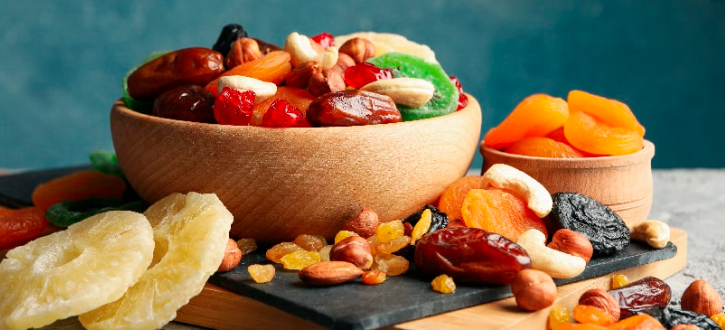
People usually don’t hesitate when a fruit tray shows up. Whether the fruit is fresh or dried, it gets an automatic “healthy” label. After all, it’s still fruit, right?
That assumption is where most confusion starts. Fresh fruit trays and dried fruit trays may look interchangeable on the surface, but they behave very differently once you actually start eating them. The difference is not about purity or processing alone. It comes down to how drying changes volume, eating speed, and how easily calories sneak in.
Instead of asking which option is “good” or “bad,” it makes more sense to look at how each one fits into real eating habits.
What Drying Does Beyond Preservation

Fresh fruit carries weight mostly because of water. In many fruits, water makes up well over three quarters of the total mass. When fruit is dried, most of that water disappears, but nearly everything else stays behind.
The result is a much smaller product that delivers the same sugars, fiber, and calories in a condensed form. This is why dried fruit feels light in the hand but heavy in energy. You are not eating “more fruit,” you are eating fruit that has been compressed.
Some nutrients handle this process better than others. Fiber becomes more concentrated, which is one of the main nutritional strengths of dried fruit. Minerals such as potassium are also fairly stable. Vitamins that are sensitive to heat and oxygen, especially vitamin C, do not survive drying as well. This alone explains why fresh fruit trays usually contribute more to daily vitamin intake.
Once water is gone, the eating experience changes too. What used to require chewing and time can now be eaten quickly, almost without noticing.
Sugar Isn’t the Same Problem in Every Tray
Dried fruit often gets criticized for being “too sugary,” but that criticism needs context.
In unsweetened dried fruit, the sugar was already there in the fresh fruit. Removing water concentrates it. Dates and raisins look extreme on a nutrition label because their natural sugar is packed into a small space.
The bigger concern comes from commercial dried fruit trays that include sweeteners. Some fruits are coated or infused with sugar or juice concentrates to improve taste or appearance. These additions push sugar levels beyond simple concentration.
Fresh fruit trays avoid this issue almost entirely. Fresh fruit is rarely sweetened, and what you eat is exactly what grew.
This difference matters over time. Occasional dried fruit is rarely an issue. Regular consumption of sweetened dried fruit, especially without portion control, can quietly raise sugar intake far more than people expect.
Why Portion Size Becomes a Real Problem
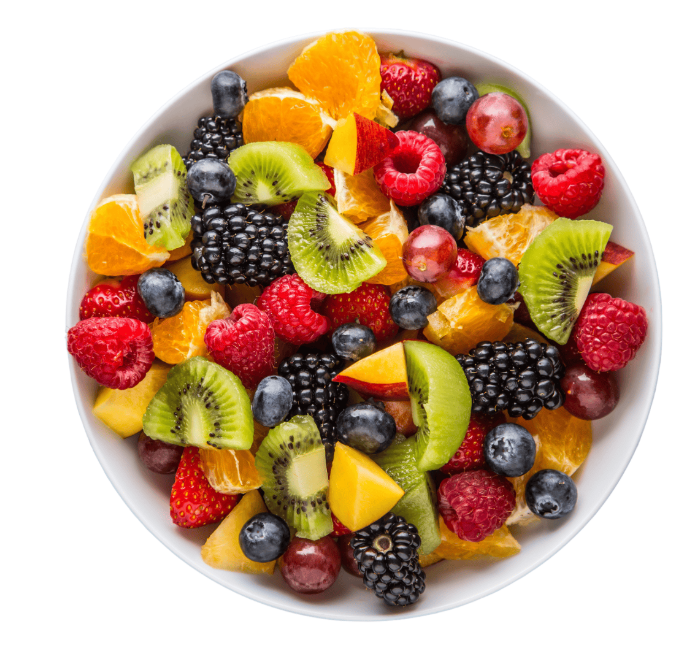
If nutrition labels told the whole story, dried and fresh fruit would be easy to compare. In reality, behavior matters more.
Fresh fruit slows people down. It takes space, effort to chew, and time to eat. That physical process sends fullness signals before calories stack up.
Dried fruit does the opposite. A small handful can disappear in seconds. In group settings, people rarely stop at one handful. Because the volume feels small, the intake feels harmless.
There is also a perception issue. People trust dried fruit because it is “just fruit,” which lowers caution. Very few people would casually eat multiple cups of fresh grapes, but the dried version disappears much more easily.
This doesn’t make dried fruit unhealthy. It just means it requires attention that fresh fruit demands automatically.
Hydration Is an Overlooked Advantage
Fresh fruit trays provide water along with calories. That matters more than most people think.
Water-rich foods increase fullness without adding energy. This combination helps regulate appetite naturally. That’s one reason fresh fruit shows up so often in weight-focused eating patterns.
Dried fruit lacks that built-in hydration. Without water or other high-volume foods, it satisfies sweetness but not hunger. Some people also notice digestive discomfort if they eat a lot of dried fruit without drinking enough fluids.
In daily routines, fresh fruit supports both hydration and satiety in a way dried fruit cannot replace.
Situations Where Dried Fruit Makes Sense

None of this means dried fruit trays are a poor choice by default. Their strengths simply show up in different situations.
Dried fruit lasts. Fresh fruit trays are short-lived and waste-prone, while dried fruit can sit for months without refrigeration. That makes it practical for travel, offices, and emergency food storage.
Energy density can also be useful. For people who burn a lot of calories—athletes, hikers, or those with physically demanding jobs—compact fuel is an advantage, not a drawback.
Dried fruit also delivers fiber and plant compounds in a small package. For people who struggle to eat enough produce, small portions can help fill gaps.
What Long-Term Eating Patterns Suggest
Interestingly, people who eat dried fruit regularly often don’t match the stereotype. Studies frequently show that dried fruit consumers tend to have better overall diet quality and, in many cases, lower body weight.
This does not mean dried fruit causes these outcomes. It suggests that dried fruit often appears in diets that are already balanced and intentional.
Fresh fruit shows clearer benefits in specific health areas. Regular intake is strongly linked to better blood sugar control and cardiovascular health, particularly in people with metabolic concerns.
Rather than competing, the two options support health in different ways.
Combining Both Without Overthinking It
The most realistic approach is not choosing one tray and rejecting the other.
Fresh fruit works best as a daily foundation. It supports fullness, hydration, and steady intake without much effort. Dried fruit works best as a supporting player—useful when convenience matters or when replacing candy and processed snacks.
A tray that is mostly fresh fruit with smaller amounts of dried fruit tends to work well for most people. The balance prevents calorie overload while keeping variety.
Individual needs still matter. Someone managing blood sugar will rely more on fresh fruit. Someone with high energy demands may include more dried fruit. There is no single rule that fits everyone.
Choosing a Better Dried Fruit Tray
When dried fruit is part of the plan, simplicity helps. Products with short ingredient lists are easier to trust.
Marketing claims should never replace ingredient checks. “No added sugar” sounds reassuring, but verification matters. Preservatives and added oils can also affect tolerance for some people.
Homemade dried fruit offers the most control, but choosing a minimally processed commercial tray is often the most practical compromise.
Final Thoughts
Fresh fruit trays and dried fruit trays may start from the same ingredient, but they behave differently once water is removed. Drying concentrates calories and sugar, reduces hydration, and changes how easily fruit is eaten.
Fresh fruit trays shine in everyday eating and appetite control. Dried fruit trays shine when convenience and energy density matter.
Health outcomes depend less on the tray itself and more on how it fits into daily habits. The better question is not which one is healthier in theory, but which one works best in the moment.