
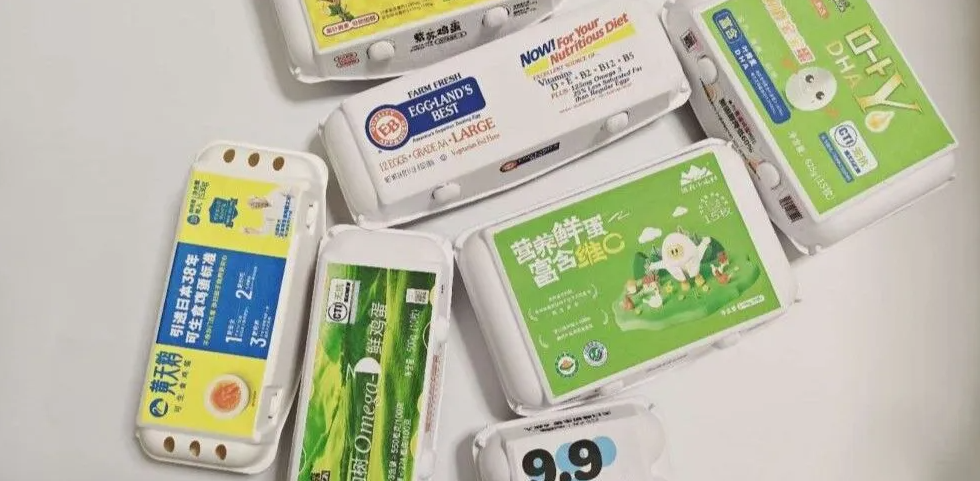
Egg trays tend to fall into a strange category of packaging. They are familiar, inexpensive, and used briefly, which makes people assume they are simple to deal with. In reality, they create more hesitation at the recycling bin than many larger items. One reason is that egg trays all serve the same purpose but are made in very different ways. Another reason is that recycling systems are far less consistent than people expect.
If you have ever picked up an empty egg tray and paused, unsure where it belongs, that moment is exactly what this guide is about. Not to give a single universal rule, but to explain why the answer keeps changing—and how to handle that without turning disposal into a guessing game.
Egg Trays Look Similar, but Behave Very Differently

From the outside, egg trays don’t seem complicated. They hold eggs, they stack, and they get thrown away. The trouble starts when you look at what they are actually made of.
Paper egg trays are usually produced from recycled paper pulp. Old paper is broken down into fibers, mixed with water, and pressed into molds. The result is lightweight and slightly rough to the touch. This texture helps protect eggs but also means the tray absorbs moisture easily. That absorbency plays a big role later, especially when recycling or composting is involved.
Plastic egg trays, especially the clear ones, are most often made from PET plastic. PET is widely recycled in theory, but egg trays are not bottles, and recycling facilities often treat them differently. Trays are thinner, flatter, and sometimes classified as a different category of plastic altogether.
Foam egg trays, sometimes labeled as polystyrene or #6 plastic, are a different problem entirely. They are extremely light and good at cushioning, which explains why they were popular for so long. But they are also bulky, hard to process, and rarely accepted by standard recycling programs.
Even before you think about rules or symbols, this material difference already shapes what is possible.
Why Recycling Answers Depend on Where You Live
A common frustration with egg trays is that advice online often contradicts itself. One source says paper trays are recyclable. Another says they are not. Both can be correct.
Recycling systems are local. What a facility can accept depends on its equipment, contracts, and end markets. Some cities accept paper egg trays in curbside recycling as long as they are clean and dry. Others prefer that paper trays go into compost, not recycling. In some areas, paper egg trays are rejected because the fibers are considered too short to be useful.
Plastic egg trays are even more inconsistent. A city might accept PET bottles but reject PET trays. Another city might accept both. Foam trays are almost never accepted curbside, but occasional drop-off programs still exist in limited regions.
Because of this variation, recycling is less about what an item “should” be and more about what your local system can actually handle.
Symbols Help, but They Don’t Decide Everything

Most egg trays include some kind of marking on the bottom. Plastic trays usually show a number inside a triangle. Paper trays may say “recyclable” or “compostable.”
These markings are often misunderstood. A recycling symbol does not guarantee acceptance. It only identifies the material. A compostable label does not mean the tray will break down in every compost setup.
What symbols do well is narrow down the question. Once you know whether an egg tray is paper, PET plastic, or foam, you can check local guidance with far less confusion. Municipal websites and recycling apps are more reliable than guessing based on labels alone.
Cleanliness Matters More Than People Think
One detail that gets overlooked is condition. Recycling programs are designed to handle materials, not food waste.
Paper egg trays that are soaked with egg residue or moisture often end up being removed during sorting. Wet paper sticks to other items and lowers quality. Letting a tray dry completely before disposal sounds minor, but it often makes the difference between recycling and rejection.
Plastic egg trays should be empty and lightly rinsed. They don’t need to look new, but visible residue causes problems. Leaving a tray half-filled with liquid or food scraps increases contamination risk for the entire load.
When people throw questionable items into recycling “just in case,” the result is often worse than throwing them away. High contamination rates lead to more material being discarded overall.
Reuse Is Helpful, but Only to a Point
Egg trays sometimes have a short second life before disposal. This works best with paper trays.
Gardeners often use paper egg trays as seed starters. The individual cups hold soil and can be planted directly into the ground. This method works best for short periods, since the trays break down quickly when wet.
Egg trays also show up in craft spaces. Their shape works for paint palettes, sorting beads, or papier-mâché projects. Schools and community centers often appreciate donations of clean trays for these uses.
What egg trays should not be reused for is food storage. Even if they look clean, bacteria from raw eggs can remain, especially in porous materials. Reuse is useful, but it has limits that are easy to ignore.
Composting Paper Egg Trays at Home
For households with compost systems, paper egg trays often make more sense in compost than in recycling.
Paper trays count as carbon-rich “brown” material. They balance out food scraps, which are nitrogen-heavy. Shredding trays into smaller pieces helps them break down faster and prevents clumping.
In most backyard compost systems, paper egg trays decompose within a few months. Thicker trays may take longer, especially in cooler conditions. Moisture balance matters—too dry and nothing happens, too wet and decomposition slows.
Not all trays belong in compost. Trays with plastic coatings, glossy finishes, or synthetic layers should be excluded. When unsure, tearing the tray and checking for resistance or plastic layers can provide clues.
When Recycling Isn’t Available

Sometimes there is no good recycling or composting option. This is frustrating, but it is also reality in many regions.
In these cases, donation can be an option. Art classrooms, daycare centers, and small farms sometimes accept clean paper trays. Community exchange groups can also help connect people who want to reuse them.
Upcycling projects exist, but they require effort and interest. Some people use egg trays as packing material or fire starters. These solutions are optional, not requirements.
When no alternative exists, disposal in regular waste is sometimes the most responsible choice. Forcing materials into systems that cannot process them often causes more harm than good.
Making Better Choices Before the Eggs Come Home
One of the easiest ways to reduce egg tray waste happens at the store.
Paper egg trays generally offer the most flexibility at end-of-life. Plastic trays depend heavily on local recycling access. Foam trays offer the fewest options once empty.
Supporting producers who use recyclable or compostable egg trays helps shift packaging choices over time. Buying eggs from local farms that reuse trays can also reduce waste altogether.
No single purchase solves the problem, but patterns matter more than isolated decisions.
A Realistic Way to Think About Egg Trays
Egg trays are not complicated objects, but they exist inside complicated systems. Expecting one universal rule leads to frustration.
A more practical approach is simple: identify the material, check local rules when unsure, keep trays clean, and accept that sometimes disposal is the correct outcome. Recycling works best when it is informed, not forced.
Once you stop expecting perfection, egg trays become easier to deal with. They are just another everyday item, handled one decision at a time.