
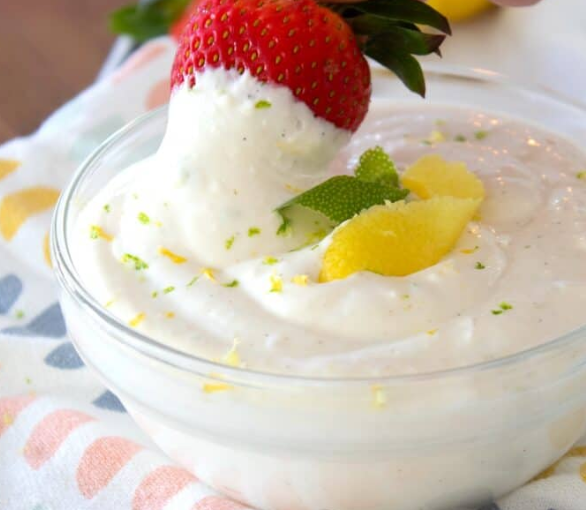
Fruit trays show up in many situations that feel casual on the surface but actually come with expectations. A family gathering, a work event, a party, or even a simple weekend snack table all carry the same quiet question: what dip should go in the center? The fruit itself is usually easy to decide. The dip is where hesitation starts.
People often search for the “best” fruit dip as if there were a single correct answer. In practice, that approach rarely works. Some dips taste great but overpower the fruit. Others feel healthy but disappoint guests. A few are crowd-pleasers in one setting and a mistake in another. The best dip is less about perfection and more about fit.
Understanding what “best” really means in a fruit tray context is the key to making a choice that works instead of second-guessing it later.
What “Best Dip” Really Means in a Fruit Tray Context
In a fruit tray, the dip is not meant to be the star. Its job is to support, not compete. That alone rules out many options that taste good on their own but disrupt the balance when paired with fresh fruit.
The “best” dip usually has three qualities. First, it needs a neutral enough flavor to work with different fruits on the same tray. Second, the texture must make dipping easy without dripping, tearing fruit, or feeling heavy after a few bites. Third, it should match the situation and the people eating it.
This is why complex or highly flavored dips often underperform. They demand attention, while fruit trays are designed for grazing. A good fruit dip fades into the background just enough to make the fruit taste better, not different.
Once that expectation is clear, certain choices consistently rise to the top.
Cream Cheese Fruit Dip: The Most Reliable All-Purpose Choice
Cream cheese fruit dip earns its reputation because it works almost everywhere. It is not exciting, but it is dependable. That reliability is exactly why it is so often labeled the “best.”
The texture is the first advantage. Softened cream cheese creates a smooth, stable base that holds fruit without sliding off. It coats rather than floods, which matters when people are dipping strawberries, apple slices, or grapes repeatedly.
Flavor is the second reason it performs so well. Cream cheese has enough richness to feel indulgent, but its mild tang keeps sweetness in check. When lightly sweetened and flavored, it enhances fruit instead of masking it. Apples taste brighter. Berries taste rounder. Even firmer fruits like melon benefit from the contrast.
Another reason cream cheese dip wins is flexibility. Small adjustments change the experience without breaking the balance. A touch more sweetness makes it dessert-friendly. A bit of acidity keeps it light. Those tweaks are subtle, which means the dip still works for mixed audiences.
The limitation is also clear. Cream cheese dip rarely feels special. In a setting where the fruit tray is meant to double as dessert, it can feel too safe. But for most everyday uses, that safety is exactly the point.
Greek Yogurt vs Mascarpone: Light Snack or Dessert Tray
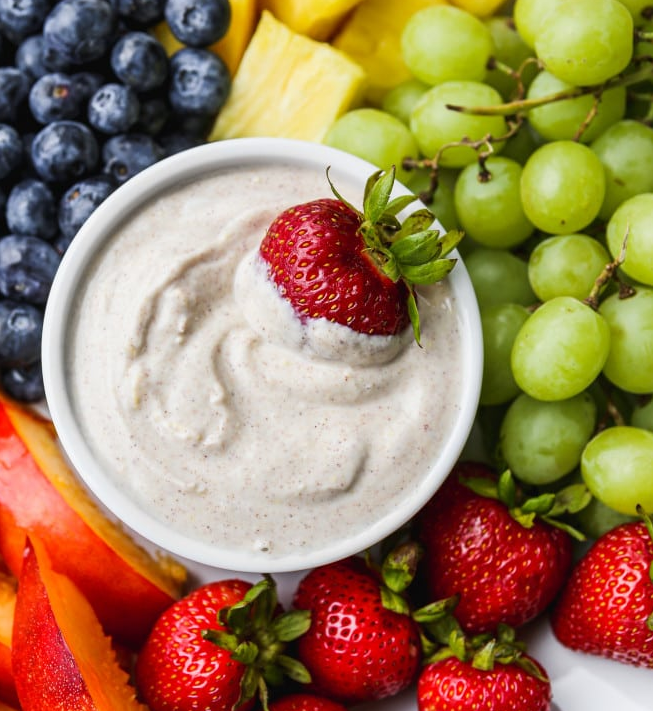
Greek yogurt and mascarpone dips are often compared to cream cheese, but they serve very different roles. Treating them as interchangeable usually leads to disappointment.
Greek yogurt dips appeal to people who want a lighter option. The tang is sharper, the texture looser, and the overall feeling less indulgent. This works well when the fruit tray is meant to feel refreshing rather than rich. Berries, citrus, and melon pair especially well because their natural sweetness offsets the yogurt’s acidity.
The benefit of Greek yogurt is psychological as much as physical. It feels healthier, even when sweetened. For guests who are cautious about sugar or heavy dairy, it lowers resistance. The downside is that it can feel thin or overly tart if not handled carefully, especially alongside sweeter fruits like bananas or grapes.
Mascarpone sits at the opposite end of the spectrum. It is rich, smooth, and unmistakably dessert-like. In a fruit tray context, it turns fresh fruit into something closer to a plated sweet course. This can be exactly right for dinner parties or celebratory trays, where indulgence is expected.
The risk with mascarpone is overcommitment. Its richness can overwhelm lighter fruits and shorten attention spans. A tray that feels luxurious at first can feel heavy after a few minutes. This makes mascarpone better as a deliberate choice rather than a default one.
Marshmallow-Style Dips: Fun, Sweet, and Highly Situational
Marshmallow-based fruit dips are easy to love and easy to misuse. They are sweet, fluffy, and immediately appealing, especially to children. In the right setting, they disappear faster than any other option.
The texture is part of the appeal. Light and airy dips feel playful, and that matters at kids’ parties or casual gatherings. Fruits like strawberries, apples, and bananas handle the sweetness best, providing enough structure to balance the sugar.
The problem is that marshmallow dips leave little room for adjustment. They are sweet by design, and that sweetness dominates quickly. On a mixed fruit tray, they often clash with tart or watery fruits. For adults, the novelty wears off fast.
This is why marshmallow dips should rarely be considered the “best” choice overall. They are excellent for specific moments and age groups, but they lack the versatility that defines a true fruit tray staple.
How to Choose the Right Dip Based on Your Situation
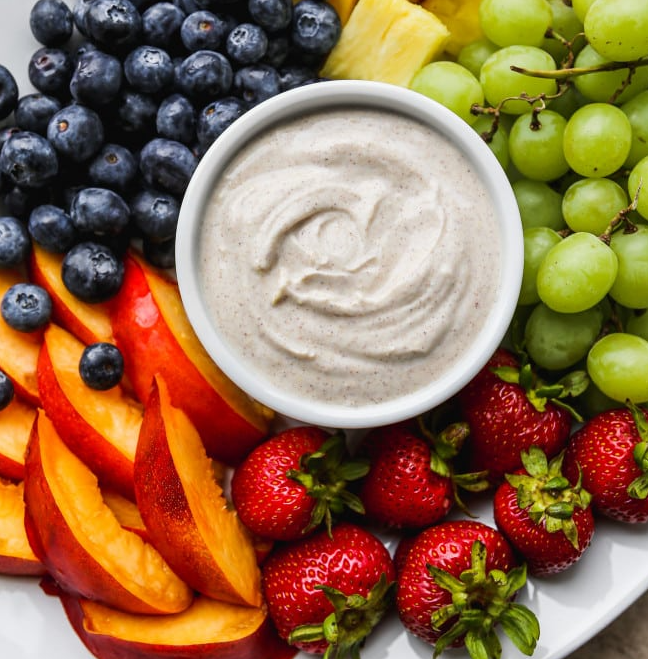
Choosing the right fruit dip becomes easier when you stop ranking options and start matching them to context.
For casual gatherings, potlucks, or family snacks, cream cheese dip remains the most practical choice. It satisfies a wide range of tastes and requires little explanation. It feels intentional without drawing attention away from the fruit itself.
For health-conscious settings or daytime snacks, Greek yogurt dips make sense. They align with expectations and pair well with lighter fruit selections. The tray feels refreshing rather than indulgent.
For dessert-focused trays or evening events, mascarpone dips elevate the experience. They signal that the fruit is part of the dessert, not an afterthought.
For children’s parties or playful occasions, marshmallow dips deliver instant appeal. The key is accepting their limits rather than trying to force them into broader use.
Time and preparation matter as well. Some dips hold well and can be made ahead without changing texture. Others need attention closer to serving. Budget and ingredient availability also shape what feels reasonable. In many cases, the best dip is simply the one that fits easily into your plans.
Fruit Pairing and Practical Tips That Actually Matter
Fruit pairing is less about lists and more about balance. High-acid fruits need creamy dips to soften their edge. Sweet fruits benefit from dips with tang or restraint. Watery fruits require thicker textures to avoid dilution.
Temperature plays a role too. Cold fruit paired with overly stiff dip feels disconnected. Letting dips soften slightly before serving improves the experience more than most flavor additions.
Texture consistency matters more than perfection. A dip that holds to fruit without dripping creates confidence. People dip more freely when they trust the tray.
Preparation timing should stay realistic. Most fruit dips perform best within a day of serving. Longer storage often dulls flavor or alters texture. Keeping things simple usually preserves quality better than chasing complexity.
Final Answer: What Is the Best Dip for Most Fruit Trays?
For most fruit trays, the best dip is still a lightly sweetened cream cheese dip. Not because it is exciting, but because it works. It complements a wide range of fruits, suits most occasions, and rarely disappoints guests.
That does not mean it is always the right answer. Greek yogurt shines when lightness matters. Mascarpone excels when dessert is the goal. Marshmallow dips succeed when fun takes priority.
The best fruit dip is not a fixed recipe. It is a choice shaped by context. Once you understand that, the decision becomes simple—and the fruit tray works exactly as it should.