
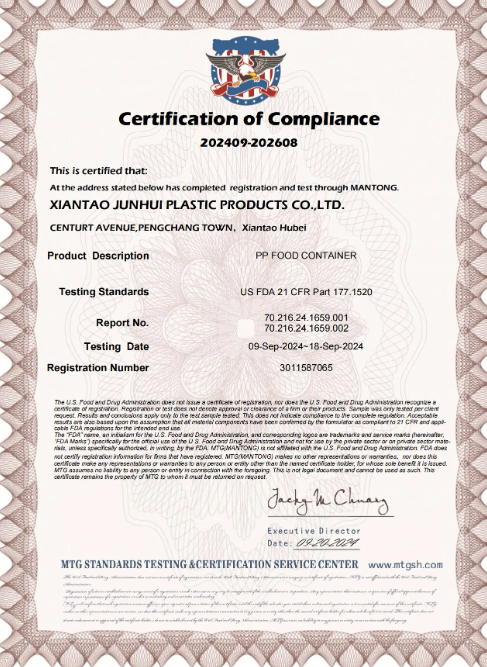
At first sight, plastic egg trays rarely raise compliance concerns. They are light, inexpensive, and used almost everywhere eggs move—from farms to grading centers and onward to retail distribution. The situation changes quickly, however, once the product is linked to food. In most markets, the presence of eggs automatically places plastic egg trays under food-contact regulations.
This is where many importers encounter unexpected problems. Shipment delays and customs inspections are often triggered not by physical defects, but by confusion around what “certification” actually means for food-contact plastics. There is no single certificate that clears a shipment by default.
Rather than listing logos or standards, this article looks at what regulators actually expect to see when plastic egg trays are imported. It explains how U.S. and EU requirements function in practice and how importers can lower compliance risk through realistic preparation, not paperwork accumulation.
Essential Food Contact Compliance: What Really Matters
A frequent misunderstanding in this sector is the assumption that a universal “food-grade certificate” exists. Food-contact compliance does not rely on one document. Enforcement authorities focus on whether safety can be demonstrated, not on whether a supplier can provide a recognizable label.
For plastic egg trays, compliance normally rests on three connected elements:
-
alignment with the relevant food-contact regulations
-
test data that demonstrates acceptable migration behavior
-
written confirmation linking the product to those results
If one of these elements is missing, questions are likely to follow, even if the product is already in use elsewhere. From a buyer’s perspective, asking suppliers only about certificates often leads nowhere. A more useful question is whether the supplier can explain, and document, how compliance is supported.
Understanding FDA and EU Food Contact Requirements

The United States and the European Union both apply strict controls to food-contact plastics, but the regulatory logic behind them is quite different.
In the U.S., plastic egg trays fall under the authority of the Food and Drug Administration and are governed by Title 21 of the Code of Federal Regulations. Most trays rely on provisions within Parts 175 to 178, with Part 177 covering commonly used resins such as polypropylene, PET, and polystyrene. The FDA does not approve finished plastic products. Instead, it controls which materials and additives may be used and under what conditions.
As a result, importers should not expect an official FDA certificate. Compliance is usually demonstrated through migration testing and a written statement from the supplier confirming conformity with the applicable CFR sections. Legal responsibility remains with the importer of record, who must also submit FDA Prior Notice before arrival.
The EU approach is more documentation-driven. Plastic egg trays must first comply with Regulation (EC) No 1935/2004, which sets general safety principles for food-contact materials. Regulation (EU) No 10/2011 then introduces detailed requirements specific to plastics, including clear limits on chemical migration.
Migration control is central to EU enforcement. Overall migration must not exceed 10 mg per square decimeter, and certain substances are subject to specific migration limits. These limits are not theoretical; they must be demonstrated through testing. Compliance is summarized in a Declaration of Compliance (DoC), which links the material composition, test reports, and applicable legislation. Without this document, border checks and post-market inspections can quickly become problematic.
REACH requirements sit alongside food-contact rules. While finished plastic egg trays rarely require REACH registration, importers are still responsible for managing SVHC communication obligations if relevant substances are present above defined thresholds.
How Material Choice Affects Certification Strategy
Material selection often determines how complex the compliance process becomes. Two trays with the same shape and function may carry very different regulatory risk depending on the polymer used.
Polypropylene is generally considered the most predictable option. It is widely accepted under both FDA and EU frameworks and tends to show stable migration performance. For high-volume logistics and industrial egg handling, PP remains the preferred choice.
PET is frequently used in retail-focused applications because of its clarity. From a regulatory standpoint, PET is also well established, but it requires closer attention to residual substances such as heavy metals and monomers. When recycled PET is involved, authorities may request additional evidence that the recycling process is suitable for food-contact use.
Polystyrene remains in circulation in some markets, but it attracts greater scrutiny, particularly in the EU. Regulatory interpretation and changing market expectations have led many importers to gradually reduce reliance on PS to avoid future compliance uncertainty.
Laboratory Testing and Third-Party Verification
Testing is where regulatory theory meets real-world use. Authorities depend on laboratory data to confirm that migration remains within acceptable limits under realistic conditions.
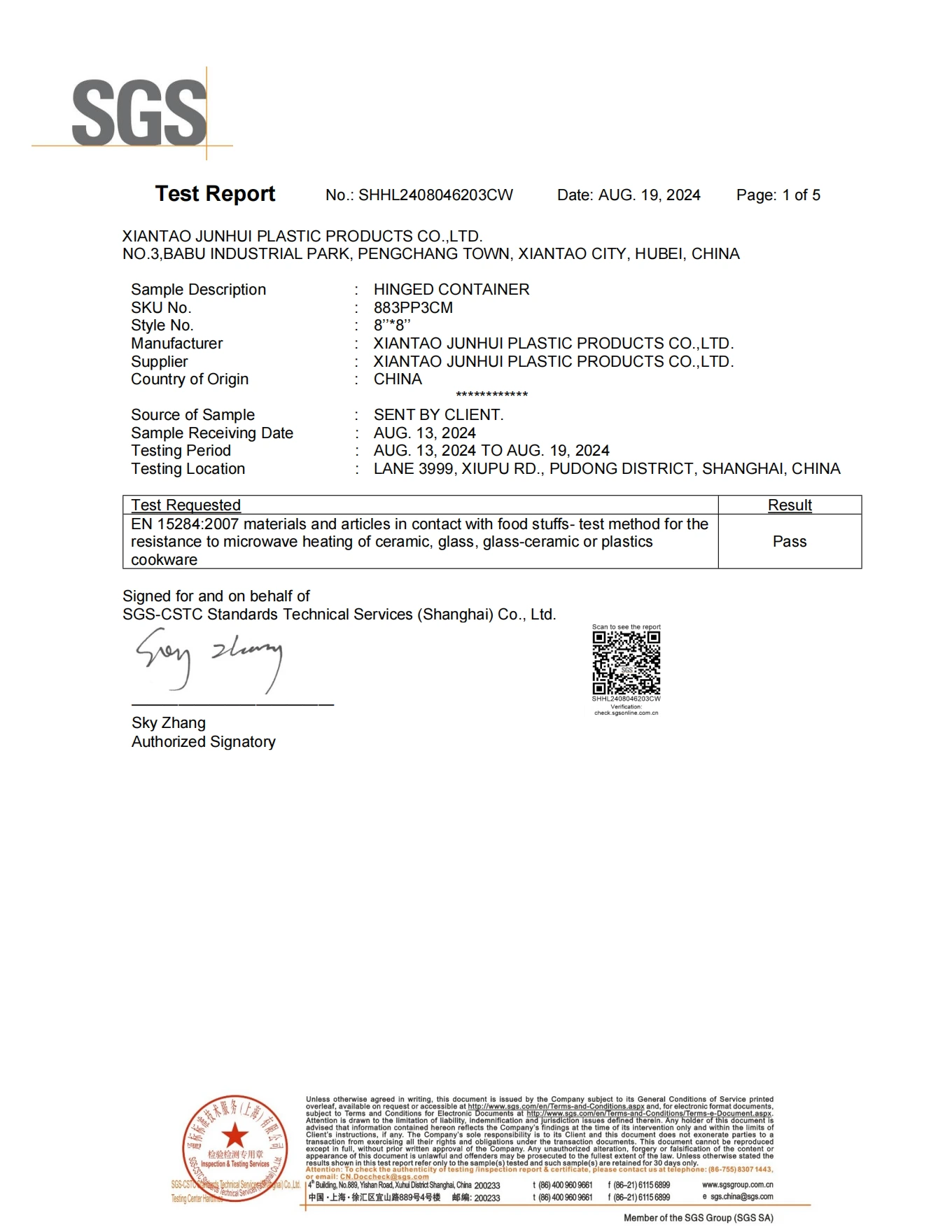
For plastic egg trays, testing typically includes overall migration and, where relevant, specific migration of restricted substances. Test conditions are selected to reflect storage time and temperature rather than extreme scenarios. In some destinations, additional screening may be requested.
Reports from internationally recognized laboratories—such as SGS, Intertek, or Bureau Veritas—are widely accepted, provided the test scope matches the destination market’s requirements. From sample submission to final report, six to eight weeks is common, and costs generally fall within a predictable mid-range depending on the number of tests involved.
Customs Documentation and Import Readiness
Passing laboratory tests does not guarantee smooth clearance. Documentation quality often determines how quickly shipments move through customs.
Plastic egg trays are normally classified as plastic packaging or household plastic articles, but HS code accuracy is essential. Incorrect classification can trigger inspections or unexpected duty assessments. Consistency across documents matters just as much.
Quality management certifications such as ISO 9001 are not mandatory for import, but they can support supplier credibility during audits or buyer reviews. Regulations like RoHS or WEEE generally do not apply to disposable plastic egg trays, although clarification may still be requested in conservative compliance environments.
Import Process, Timeline, and Cost Considerations
Experienced importers treat food-contact compliance as an integrated process rather than a last-minute requirement. Planning usually starts with confirming the destination market and selecting materials with a clear regulatory track record. Testing follows, then preparation of declarations and supporting documents.
During shipment, attention shifts to customs procedures, including HS code confirmation and document submission. In the U.S., FDA Prior Notice is also required. First-time shipments often face closer scrutiny, while repeat imports typically proceed more smoothly if materials and processes remain unchanged.
In most cases, a compliant import cycle for plastic egg trays takes roughly eight to twelve weeks, covering testing, production, and logistics. Although compliance adds upfront cost, it significantly reduces the risk of detention, rework, or disposal—outcomes that are far more expensive than proper preparation.

Conclusion
No single certificate guarantees the smooth import of plastic egg trays. Compliance is built through informed material choices, credible laboratory testing, accurate documentation, and a realistic understanding of market-specific rules.
Importers who address these factors early, rather than treating compliance as an afterthought, are better positioned to avoid delays and maintain stable supply chains in regulated markets.