
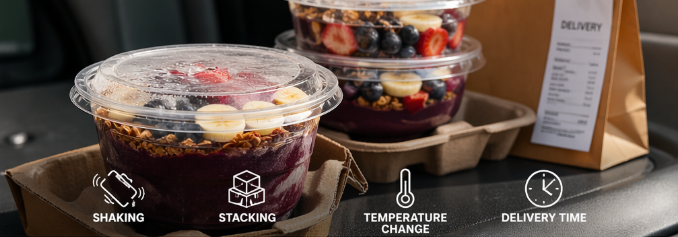
If your acai bowls are arriving with leaks, it’s not a random defect—it’s usually a mismatch somewhere in your packaging setup. And that mismatch only shows up when the product leaves your store: during stacking, shaking, temperature change, or delivery time.
Most buyers don’t run into problems when they first test a container. Issues start appearing later—after 20 minutes in transit, after multiple orders are stacked together, or after condensation builds up inside the lid. By then, the damage is already done: refunds, complaints, and wasted product.
Working with a custom acai bowl packaging manufacturer early on can prevent a lot of this, but only if you know what actually causes leakage in real use—not in theory.
Where Leakage Really Starts in Daily Operations
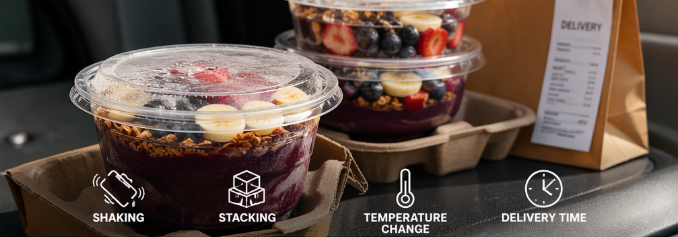
Acai bowls behave differently from many other takeaway foods. The base is semi-liquid, toppings release moisture, and everything shifts during movement. That combination creates constant pressure inside the container.
In-store, everything looks fine. The lid closes, the bowl holds shape, and nothing spills. But once the product goes through delivery—especially longer routes or multiple stops—the weak points begin to show.
This is why some businesses experience “random” leaking even when using the same packaging. The reality is, the packaging is being pushed beyond what it was designed for.
Suppliers that specialize in this category, like an experienced oem acai bowl container supplier, usually design around these real conditions rather than just basic storage.
Why Some Containers Fail Even When They Look Fine

The Lid Isn’t Truly Sealed
A lid clicking into place doesn’t always mean it’s sealed properly. Many containers rely on shallow snap-fit designs that work for dry food but struggle with moisture-heavy products.
Even a tiny gap along the rim is enough for liquid to escape once the container is tilted or pressed. And during delivery, that happens constantly.
Containers developed by a dedicated acai bowl container factory for bulk orders often use deeper locking structures or tighter rim tolerances, which makes a noticeable difference once the product is moving.
The Bowl Slightly Changes Shape
You don’t need visible damage for leakage to happen. A slight deformation—caused by stacking or pressure—can weaken the connection between lid and bowl.
This is especially common with thinner materials. They reduce cost, but also reduce stability. When multiple orders are packed together, the bottom containers take most of the load, and that’s where failures begin.
A reliable odm acai bowl packaging factory will usually test containers under compression, not just at rest.
Condensation Gets Misread as Leakage
Cold acai bowls meeting warmer air will naturally create condensation inside the container. Water droplets form along the lid and sometimes drip down.
In weaker designs, that moisture finds its way out, making it look like the container is leaking. In reality, it’s a sealing issue triggered by temperature difference.
An experienced acai bowl packaging supplier for food delivery brands will take this into account, recommending lids that handle internal moisture better instead of just focusing on thickness.
The Container Was Never Meant for This Product
It’s surprisingly common to see acai bowls packed in containers originally designed for salads or dry snacks. They look similar, but the performance gap is real.
Acai bowls are heavier, wetter, and more dynamic inside. Ingredients shift, liquids separate slightly, and pressure builds unevenly.
That’s why brands working with a customized acai bowl container manufacturer for restaurant chains tend to see fewer issues—the packaging is built around actual usage, not general assumptions.
How to Choose Containers That Actually Work
Start With How You Deliver, Not Just the Product
Before choosing materials or sizes, think about your delivery conditions. Are orders stacked? How long is the average delivery time? Are temperature changes significant?
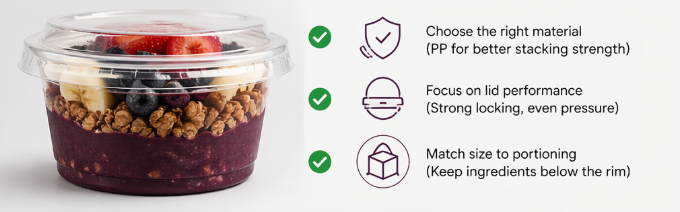
PET containers may work well for display, but under pressure, they can lose rigidity. PP options tend to handle stacking better, especially for delivery-heavy businesses.
A practical acai bowl container supplier for restaurant packaging solutions will usually ask about your operation before suggesting a material.
Focus on Lid Performance First
Many buyers pay more attention to the bowl and treat the lid as a standard component. In reality, the lid determines whether the container leaks.
Look for designs that apply even pressure around the entire rim. Reinforced edges or multi-point locking systems are often more reliable than simple snap-on lids.
Suppliers like an oem acai bowl packaging supplier for food service brands typically develop lid and bowl together, which avoids mismatch issues.
Don’t Go Too Light on Structure
Cutting material thickness might seem like an easy way to reduce cost, but it often leads to higher losses later. Containers need to handle stacking, movement, and handling without losing shape.
Instead of focusing only on weight, consider how the container behaves under load. Does it flex too easily? Does the lid loosen when pressure is applied?
An experienced acai bowl packaging manufacturer for large-scale distribution will usually provide guidance based on real transport scenarios, not just product specs.
Match Size to How You Fill the Bowl
Overfilling is one of the simplest causes of leakage—and one of the most overlooked. When toppings sit above the rim, the lid can’t seal evenly.
Even small adjustments in portioning or layering can improve sealing performance. Keeping ingredients slightly below the rim line helps maintain consistent pressure.
Brands working with an odm acai bowl container supplier for private label brands often refine both packaging and filling methods together, which reduces issues without increasing cost.
What Buyers Often Overlook
Many problems come from assuming that all containers in the same category perform the same. In reality, small structural differences can lead to very different results once the product is in motion.
Another common issue is skipping real-world testing. A container might pass a quick check in-store but fail after 30 minutes of delivery.
There’s also a tendency to focus too heavily on unit price. But when leakage leads to refunds or lost customers, the cheaper option quickly becomes more expensive.
Working with a custom acai bowl packaging factory for international buyers often helps avoid these situations, because these suppliers tend to design with broader usage scenarios in mind.
Final Thoughts
Leaking acai bowl containers aren’t usually caused by one big mistake. They come from small mismatches—between lid and bowl, material and pressure, or packaging and real usage.
The right solution isn’t just choosing a “better” container. It’s choosing one that fits how your product is prepared, stored, and delivered.
Once those factors align, leakage stops being a recurring issue and becomes something you rarely have to think about.