
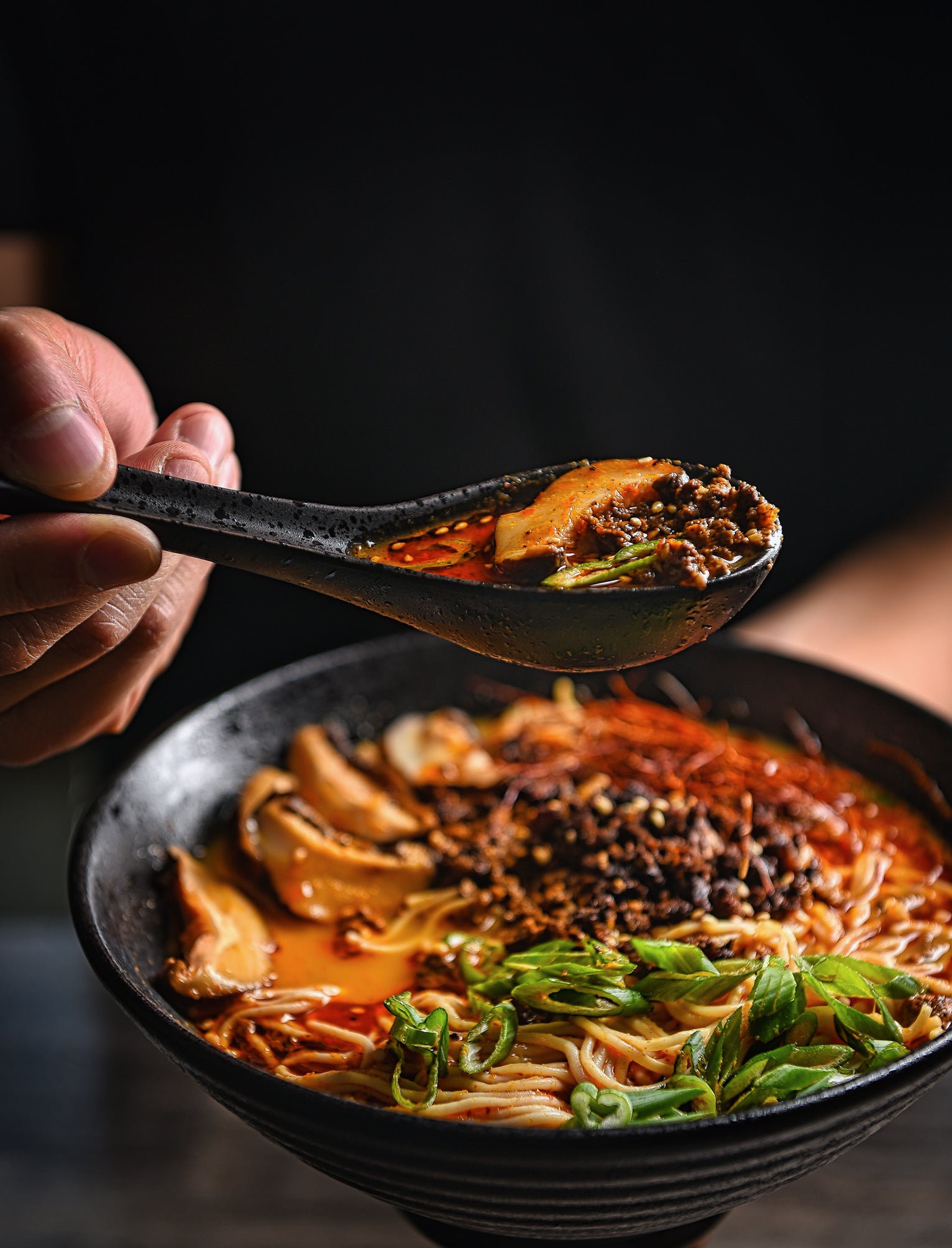
Ramen bowls are one of those things people only notice when something goes wrong. When the soup cools too fast, when bowls chip after a few months, or when replacements suddenly don’t match what’s already on the table, that’s when sourcing decisions start to matter. For restaurants and distributors, the bowl is not decoration. It is infrastructure.
Over time, many buyers stop browsing generic tableware collections and start asking deeper questions. Who actually makes these bowls? How long have they been producing them? Can the same design still be supplied two years from now? That shift usually leads straight to Japan and, more specifically, to factories that focus on ramen bowls as a core product rather than a seasonal item. Working with a Japanese ceramic ramen bowl manufacturer becomes less about tradition and more about operational certainty.
Why Japanese ceramic ramen bowls still dominate professional kitchens
Japan’s ceramic industry is built around regions, not brands. Places like Mino didn’t earn their reputation through marketing but through decades of trial, error, and refinement. Clay composition, glaze behavior, and firing temperatures were all adjusted over time to handle hot liquids served repeatedly, often under commercial conditions.
This regional knowledge still shapes modern ramen bowl production. Bowls are designed to retain heat without becoming excessively heavy. Rims are shaped to resist chipping. Glazes are selected not just for color, but for how they age after hundreds of wash cycles. For buyers sourcing at scale, these details matter more than surface design.
1. Miyake Ceramics and the value of quiet consistency
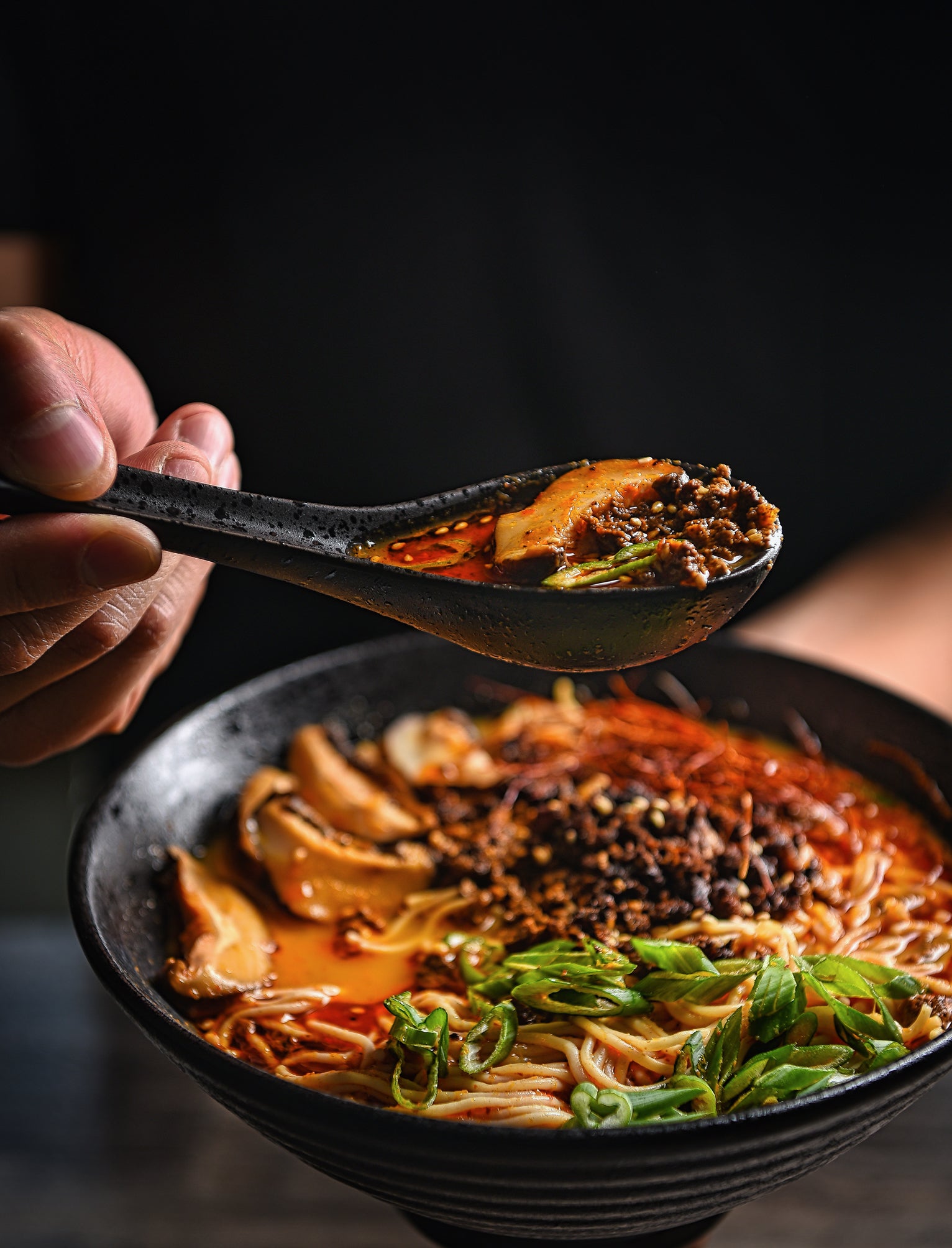
Miyake Ceramics, located in Toki City, is often underestimated by first-time buyers. Their ramen bowls do not chase trends, and they rarely stand out in photos. In actual use, however, they reveal why many restaurant operators stay with them for years.
The bowls are proportioned around real serving volumes rather than visual exaggeration. Weight distribution favors heat retention without straining staff during peak hours. Glaze colors lean toward neutral tones that hide wear and complement a wide range of broths. These are bowls designed to disappear into daily service.
For growing restaurant groups, Miyake becomes attractive because of continuity. When a brand expands from one location to five, visual consistency suddenly matters. Working with a custom ramen bowl factory like Miyake allows buyers to secure long-term access to the same molds and finishes, reducing the risk of mismatched reorders later on.
2. Saikai Pottery and sourcing at operational scale
Saikai Pottery approaches ramen bowls from a systems perspective. As a large Mino-region manufacturer, their strength lies in standardization. Ramen bowls are part of a wider ceramic lineup, which makes Saikai appealing to buyers managing multiple product categories.
In everyday operations, Saikai bowls perform predictably. They stack efficiently, wash cleanly, and maintain uniform glaze coverage across large batches. This predictability reduces friction in kitchens where speed and repetition dominate the workflow.
For overseas distributors, working with a Japanese ceramic tableware manufacturer for bulk sourcing like Saikai simplifies procurement. Fewer factories mean fewer variables, and fewer variables generally mean fewer supply chain surprises. Saikai may not offer dramatic designs, but they offer stability, which becomes increasingly valuable as order volumes grow.
3. Kaneko Kohyo and bowls designed for kitchen stress
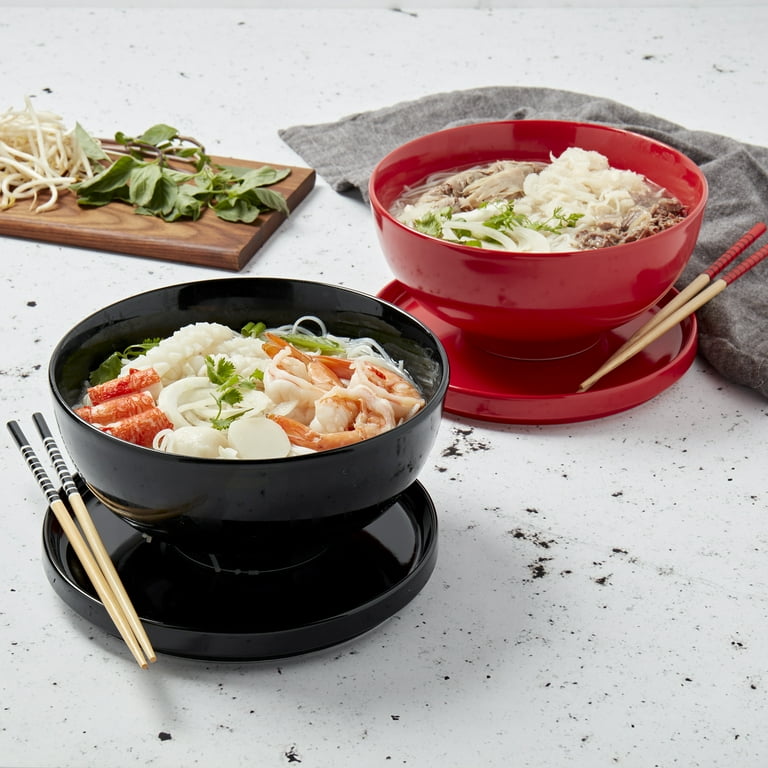
Kaneko Kohyo’s ramen bowls feel different in the hand. The balance is deliberate, the rims slightly reinforced, and the overall construction signals durability. These bowls are designed for environments where they will be washed, stacked, and reused constantly.
Many buyers turn to Kaneko Kohyo after encountering problems with lighter ceramics. Chips, cracks, and early glaze wear add up quietly over time. Kaneko Kohyo addresses these issues through structural adjustments rather than decorative changes.
As an OEM ramen bowl manufacturer in Japan, the company often works with buyers who already understand their pain points. Small modifications to depth, rim thickness, or foot ring design can significantly improve compatibility with existing equipment. Over the long term, these details help reduce replacement rates and maintenance headaches.
4. Marukatsu Ceramics and durability-first thinking
Marukatsu Ceramics does not position itself as innovative, and that honesty appeals to a certain type of buyer. Their ramen bowls are engineered with durability as the primary goal. Thicker walls, tougher glazes, and conservative firing profiles define their approach.
In busy kitchens, bowls are tools, not showpieces. Partnering with a commercial ramen bowl factory for high-volume orders like Marukatsu allows operators to focus on longevity rather than visual novelty. Designs remain consistent over time, making reorders straightforward and predictable.
Marukatsu bowls tend to fade into the background of daily operations, which is exactly what many professional kitchens want. When tableware becomes invisible, staff can focus on food quality and service speed instead.
5. Miya Company and balancing culture with usability

Miya Company brings a more expressive aesthetic to ramen bowls without sacrificing functionality. Their designs often incorporate Japanese calligraphy or traditional motifs, adding cultural texture to the dining experience. Importantly, these visual elements sit on forms that still work well in restaurant settings.
Because Miya operates across both retail and foodservice channels, buyers often use them to test concepts. Smaller orders allow restaurants to experiment before committing to large volumes. This makes Miya a flexible Japanese ramen bowl supplier for foodservice buyers who want character without long lead times.
The bowls themselves strike a balance between storytelling and practicality. They feel authentic without becoming fragile, which resonates with overseas markets seeking a genuine Japanese dining atmosphere.
How professional buyers should evaluate ceramic ramen bowl manufacturers
Selecting a ramen bowl manufacturer is rarely about finding the most beautiful product. It is about aligning production philosophy with business reality. Some buyers need absolute consistency across multiple locations. Others prioritize durability above all else. Some want subtle differentiation without custom tooling.
The common mistake is treating bowls as static objects rather than long-term assets. Over hundreds of uses, small design decisions reveal their true value. Weight affects staff fatigue. Glaze hardness affects replacement cycles. Mold stability affects brand consistency.
Factories that understand these dynamics tend to become long-term partners rather than one-time suppliers.
Why direct manufacturer sourcing matters more over time
As ramen continues to expand globally, sourcing strategies evolve. What works for a single restaurant may fail at scale. Working directly with a proven ceramic ramen bowl manufacturer for professional kitchens allows buyers to move beyond short-term aesthetics and focus on repeatability, durability, and supply continuity.
Japanese manufacturers that specialize in ramen bowls are not trying to reinvent the category. They are refining it quietly, year after year. For professional buyers, that mindset often proves far more valuable than novelty.