
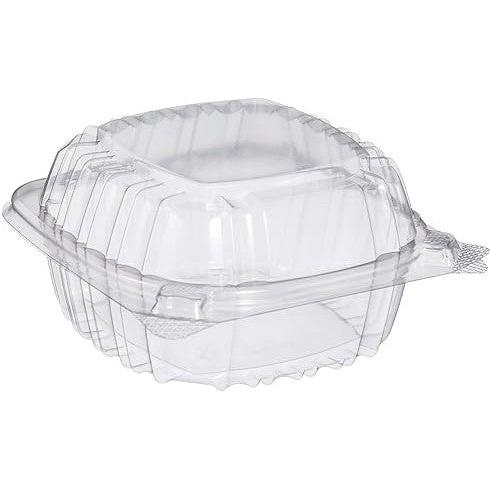
Walk into any busy kitchen during peak hours and you’ll notice something small but costly—staff pausing to seal boxes. A sticker here, a strip of tape there. It doesn’t look like much, but multiply that across hundreds of orders and it becomes a real drag on speed, consistency, and cost.
That’s why more buyers aren’t asking “what is a hinged lid box” anymore. They’re asking a more practical question: can it actually replace seals without creating new problems?
The push to remove sealing isn’t about trends—it’s about pressure
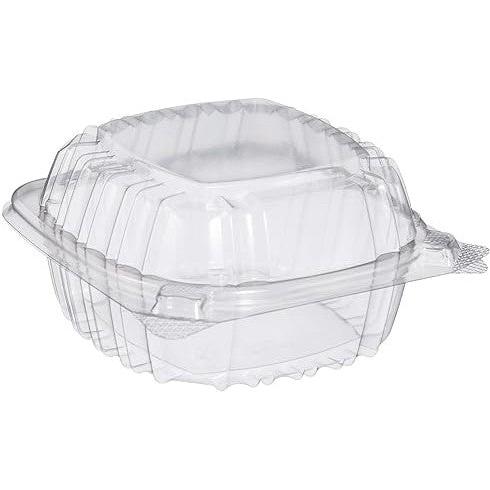
Most operations don’t change packaging unless something starts breaking. Usually, it’s a mix of things. Orders pile up faster than they can be packed. Staff cut corners on sealing when things get hectic. Customers occasionally receive boxes that look tampered with—not because they were, but because the seal failed.
On top of that, consumables like labels and tapes quietly eat into margins. No single invoice looks alarming, but over time the numbers add up.
This is where working with a custom hinged lid box manufacturer starts to make sense. Not as an upgrade for appearance, but as a way to remove a recurring friction point in daily operations.
What makes this type of box hold up in real use
The idea is simple: one piece instead of two or three. But the execution is where things differ. A hinged lid box only works if the closure feels secure enough during movement but doesn’t slow down the person opening it.
The hinge itself matters more than most buyers expect. Too stiff, and it cracks over repeated use. Too soft, and it loses tension. Then there’s the locking edge—some designs click firmly into place, others barely hold.
Buyers sourcing from an oem hinged lid box supplier usually focus less on appearance and more on how that “click” performs after stacking, transport, and slight pressure. Because that’s where problems tend to show up.
Not every food type plays well with this design
This is where some buyers get burned—they assume one solution fits everything. It doesn’t.
Dry or semi-dry foods tend to work well. Fried chicken, rice dishes, burgers, pastries—these don’t rely on airtight sealing. The box just needs to stay closed and hold shape.
Liquids are a different story. Anything that flows easily will test the edges of the closure. Without additional sealing features, leakage becomes a risk.
That’s why many teams check with a hinged lid box factory for bulk orders before switching completely. A quick test with actual menu items often reveals whether the change is practical or premature.
Looking at cost the way operators actually feel it
On paper, hinged lid boxes can look slightly more expensive. That’s usually where the hesitation starts. But the math changes when you zoom out.
You’re not just buying a box—you’re removing steps. No separate lids to match, no seals to apply, fewer chances for mistakes. Over time, that reduction in handling makes a difference.
Procurement teams working with an odm hinged lid box manufacturer for restaurant chains often compare cost per packed order, not per unit. When you factor in labor and materials, the gap tends to narrow—or even flip.
Materials aren’t just specs—they change how the box behaves
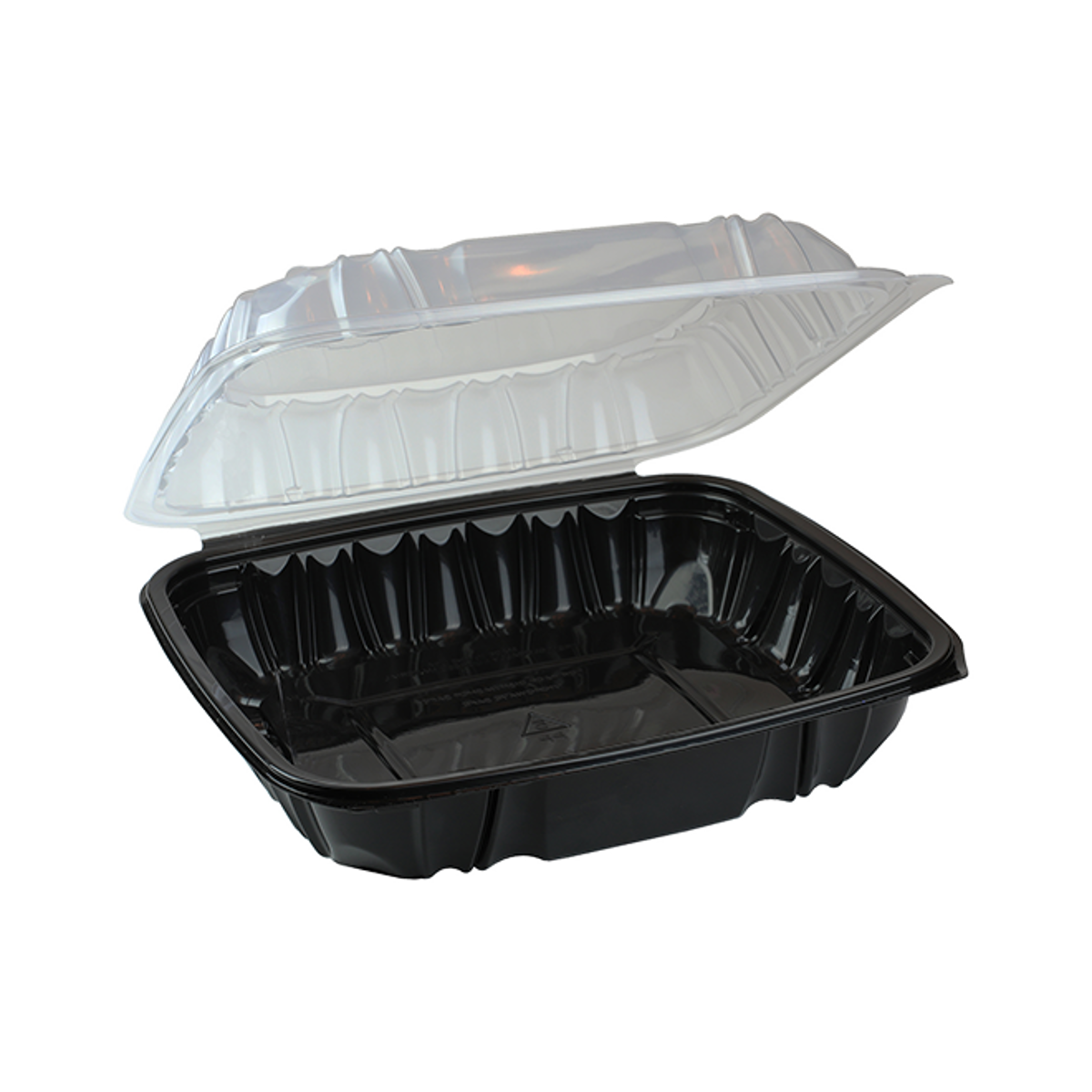
It’s easy to get caught up in material labels, but what matters is how the box performs under real conditions.
Polypropylene holds up well with heat, which makes it reliable for hot meals. PET looks cleaner and clearer, but doesn’t like high temperatures as much. Then there are newer materials aimed at sustainability, which come with their own trade-offs.
Buyers exploring options with a custom hinged lid food container supplier for eco packaging usually don’t rely on datasheets alone. They test. Because what looks good on paper can behave differently once food, heat, and time are involved.
Small design details that make or break the experience
Customers rarely think about packaging design—but they notice when something feels off. A lid that won’t stay shut. A box that’s awkward to open. A container that looks messy because of extra stickers.
Removing seals actually cleans up the entire experience. Open, eat, done. No peeling, no tearing.
Brands working with a hinged lid takeaway box supplier for food delivery brands often see fewer complaints tied to packaging, even though the food itself hasn’t changed. It’s a subtle shift, but it affects perception.
Where buyers often misjudge the switch
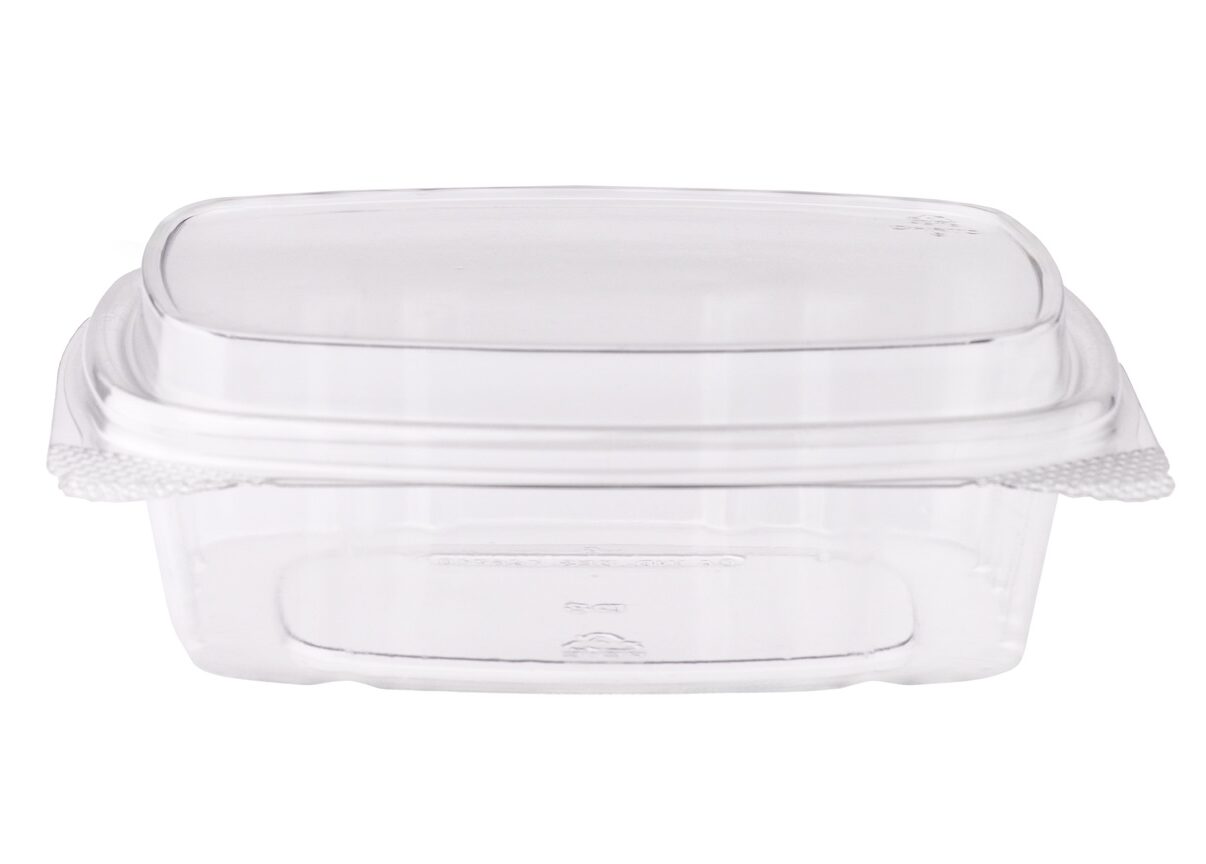
One common mistake is assuming all hinged lid boxes perform the same. They don’t. Lock strength varies. So does durability.
Another issue is skipping real-life testing. A box might seem fine when empty, but once it’s filled, stacked, and moved around, weaknesses show up.
That’s why larger buyers usually engage a hinged lid packaging factory for high volume distribution early on. Not just to source, but to refine. Small adjustments in structure can prevent bigger issues later.
When switching actually makes sense
There’s usually a tipping point. You’ll recognize it when packaging starts slowing things down instead of supporting the flow.
Maybe staff are spending too much time sealing. Maybe costs are creeping up. Maybe customer feedback keeps circling back to packaging inconvenience.
At that stage, reaching out to a custom printed hinged lid box manufacturer for fast food operations isn’t about experimenting—it’s about fixing something that’s already costing you time or money.
Making the change without disrupting operations
Switching packaging sounds simple, but it affects more than just the box. It changes how orders are packed, stacked, and handed off.
The smoother transitions happen when buyers treat it as part of the workflow, not just a product swap. Test a few sizes. Try real delivery conditions. See how staff adapt.
Done right, the result is noticeable—not because it adds something new, but because it removes what wasn’t working. No extra seals. Fewer steps. A cleaner, more consistent process that holds up under pressure.