
Germany’s Retail Sushi Market Is Quietly Redefining Packaging Standards
In Germany, sushi has already crossed an invisible line. It is no longer treated as a niche takeaway product or a restaurant-only item. Instead, it has become a routine purchase in refrigerated supermarket aisles, displayed next to salads, wraps, and other ready-to-eat meals. This shift has forced retailers to rethink what “good packaging” actually means.
Cold-chain visibility now plays a far more decisive role than it did even a few years ago. When condensation builds up inside a display cabinet, shoppers hesitate. Ingredients appear dull, rice texture becomes harder to judge, and freshness is questioned almost instinctively. Retailers have learned that when packaging looks unclear, products linger longer on the shelf — and not in a good way.
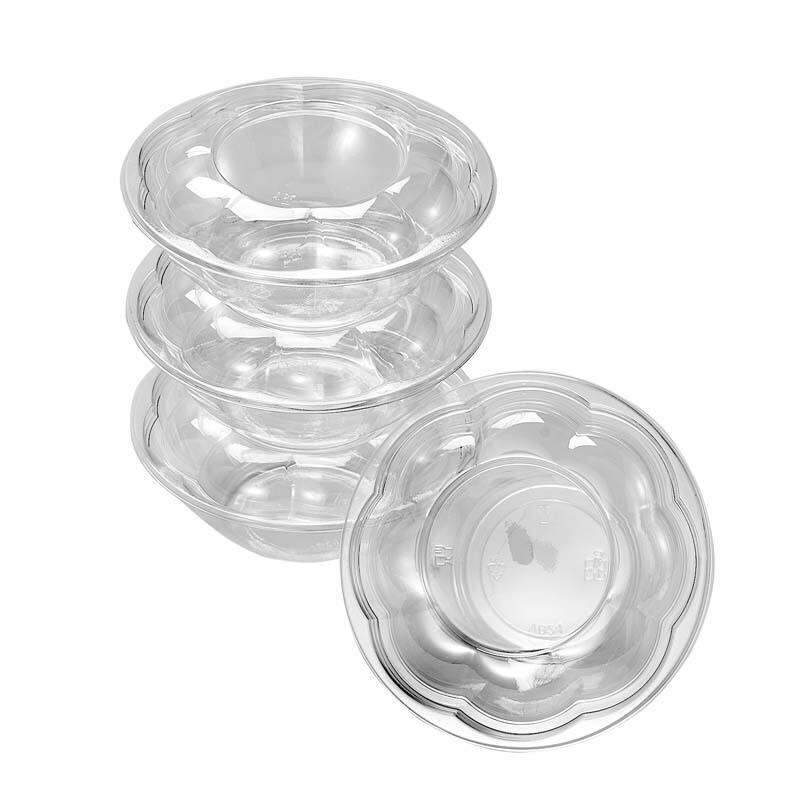
That is why German buyers increasingly treat anti-fog PET sushi bowls as a functional requirement rather than a value-added feature. For anyone sourcing from an anti-fog PET sushi bowl supplier with EU retail experience, the conversation usually starts with performance under refrigeration, not price.
What “Anti-Fog” Really Has to Deliver in German Refrigerated Displays
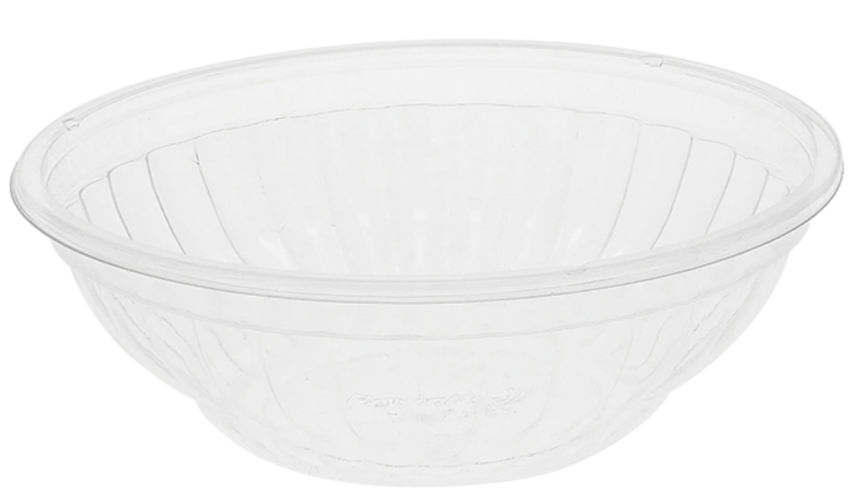
In theory, many sushi bowls claim to be anti-fog. In practice, German retail conditions expose weak solutions quickly. Refrigerated cabinets operate in a narrow temperature range, but humidity fluctuates constantly due to restocking cycles and frequent door openings. Packaging that looks clear during short tests often fails during real shelf exposure.
True anti-fog performance depends heavily on how it is achieved. Material-integrated anti-fog formulations tend to maintain clarity longer, especially during repeated condensation cycles. Surface coatings can work, but their effectiveness often fades over time. German buyers are aware of this difference and increasingly ask suppliers how anti-fog performance is engineered, not just whether it exists.
Another layer of complexity comes from sustainability requirements. rPET is strongly encouraged under EU SUPD guidelines, yet recycled content can compromise optical quality if material control is inconsistent. This is where experienced manufacturers stand apart. Buyers evaluating an OEM anti-fog PET sushi bowl factory serving Europe tend to look for a balance between recycled content, transparency, and documented compliance.
Why Compliance Carries More Weight Than Cost in Germany
Unlike markets where unit pricing dominates sourcing decisions, Germany operates under a compliance-first mindset. Anti-fog sushi bowls must satisfy EU Regulation 10/2011, and when recycled content is involved, traceability becomes non-negotiable. Retailers also expect alignment with BRC Packaging or equivalent food safety systems.
This regulatory focus reshapes supplier shortlists early in the procurement process. A lower-priced offer with unclear documentation is often filtered out before samples are even reviewed. German buyers generally prefer suppliers who understand audits, reporting expectations, and long-term consistency.
For this reason, working with an EU-compliant anti-fog sushi bowl manufacturer for Germany retail is less about marketing claims and more about operational trust built over time.
Manufacturer #1: Duni Group
Duni Group occupies a strong position in Germany’s retail packaging ecosystem. Its anti-fog rPET sushi bowl solutions are designed with chilled displays in mind, combining high-clarity lids with trays that enhance contrast and ingredient visibility. The real strength of Duni, however, lies beyond the product itself.
With established relationships across German retail chains and reliable local logistics, Duni minimizes supply-side uncertainty. Buyers looking for a custom anti-fog PET sushi bowl manufacturer with local EU support often value this predictability as much as material performance.
Manufacturer #2: Faerch Group
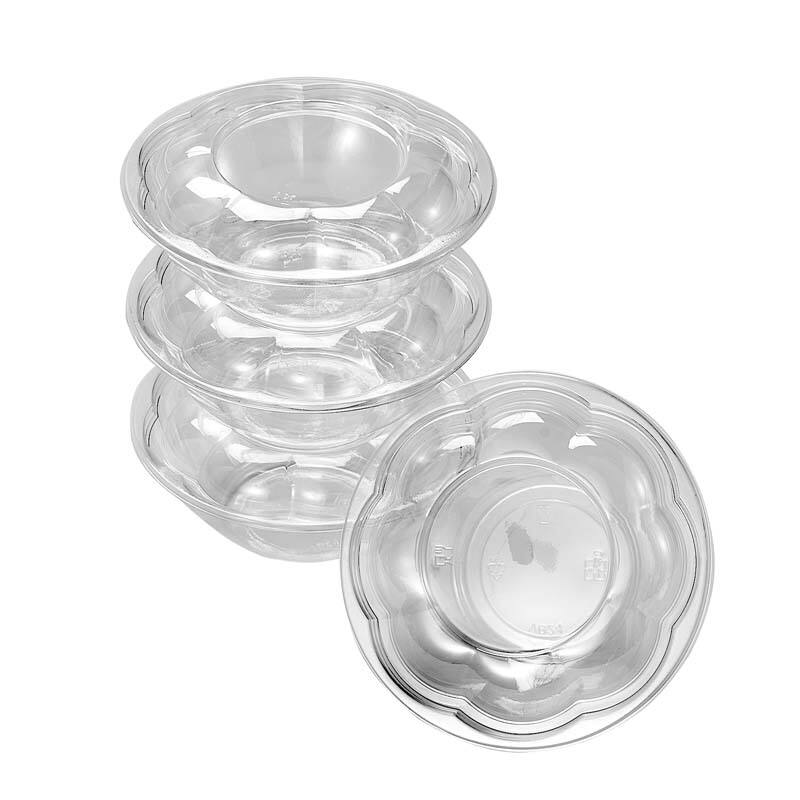
Faerch Group has invested heavily in thermoformed rPET solutions optimized for retail visibility. Its anti-fog sushi bowls are commonly used in European cold food programs where consistent shelf appearance is critical. In Germany, Faerch’s appeal lies in its ability to scale without compromising clarity.
The company’s material expertise allows it to manage recycled content while maintaining optical stability. As a result, Faerch frequently serves as a reliable rPET sushi bowl supplier for multi-store retail programs, particularly where uniform presentation matters more than customization.
Manufacturer #3: Sirap Group
Sirap Group approaches sushi packaging from a retail presentation perspective. Its anti-fog PET sushi bowls emphasize visual clarity and lid fit, while offering slightly more flexibility in formats compared with some northern European suppliers.
German buyers working with Sirap often do so when they want room for differentiation without stepping outside regulatory comfort zones. In this role, Sirap functions well as a sushi bowl packaging factory for EU private label brands seeking balance rather than extremes.
Manufacturer #4: ILIP Srl
ILIP’s strength lies in consistency. Its anti-fog PET sushi bowls are not designed to stand out visually, but they perform reliably under cold-chain conditions. For German retailers focused on minimizing deviation across long production runs, this reliability is often decisive.
ILIP therefore fits naturally as a food-grade anti-fog sushi bowl supplier for regulated retail environments, especially where audit frequency is high and tolerance for variation is low.
Manufacturer #5: Coveris
Coveris has expanded its rigid PET portfolio to support high-clarity cold food applications aligned with SUPD expectations. In Germany, its anti-fog sushi bowls are often chosen for programs that emphasize both sustainability messaging and shelf performance.
Buyers sourcing from Coveris usually view it as an EU-based sustainable sushi bowl manufacturer with anti-fog capability, rather than a niche solution provider.
Manufacturer #6: Multivac
Multivac plays a specialized role in the sushi packaging landscape. Its anti-fog PET trays are typically integrated into advanced packaging systems, offering excellent clarity and shelf stability. However, this performance comes with higher system complexity.
As a result, Multivac is most relevant as a high-performance sushi packaging system supplier for advanced retail operations, rather than a mainstream option for standard sushi bowls.
Manufacturer #7: Dongguan Sunyo Plastic Co., Ltd.

Among non-EU suppliers, Dongguan Sunyo has gained attention for its export-oriented compliance approach. Its anti-fog PET sushi bowls, particularly black-base formats with clear lids, are widely used by European distributors managing private-label imports.
For buyers balancing cost and documentation, Sunyo often serves as a competitive anti-fog sushi bowl factory for European importers, especially when flexibility in order size is required.
Manufacturer #8: Easy Green Packaging
Easy Green Packaging is generally approached with caution by German buyers. While anti-fog PET sushi bowls are available, batch consistency can vary. As a result, the supplier is more commonly used for initial sampling or short-term trials.
In sourcing strategies, Easy Green typically functions as a trial-stage sushi bowl supplier for small-volume validation, rather than a long-term solution.
How German Buyers Actually Qualify Anti-Fog Sushi Bowl Suppliers
In Germany, supplier approval rarely ends with samples. Buyers expect documentation, recycled material traceability, and realistic performance verification under actual cold display conditions. Anti-fog claims are often tested directly in-store, not just in controlled environments.
Commercial discussions also reflect this mindset. Topics such as acceptable defect rates, recycled content sourcing, and delivery stability usually outweigh marginal price differences. Suppliers who understand these expectations tend to progress faster.
For those seeking a long-term anti-fog PET sushi bowl manufacturing partner for Germany, alignment with retail operations matters more than promotional language.
Retail Display Expectations Leave Little Room for Error
German supermarkets apply strict internal standards to ready-to-eat packaging. Transparency signals freshness, while clear recycling labels reinforce trust. In sushi, where visual inspection heavily influences purchase decisions, these factors carry extra weight.
Anti-fog PET sushi bowls that maintain clarity throughout the display cycle reduce hesitation and improve sell-through. Manufacturers that understand this reality are better positioned for lasting partnerships.
Final Perspective for Retail Buyers
Germany’s retail environment has effectively reset expectations for sushi packaging. Anti-fog PET bowls are no longer optional enhancements; they are functional requirements shaped by consumer behavior and regulation. Manufacturers capable of delivering stable clarity, documented compliance, and reliable supply will continue to stand out.
For buyers, success on the shelf starts long before the product reaches the cabinet. It begins with choosing partners who understand how visibility, regulation, and retail reality intersect.