
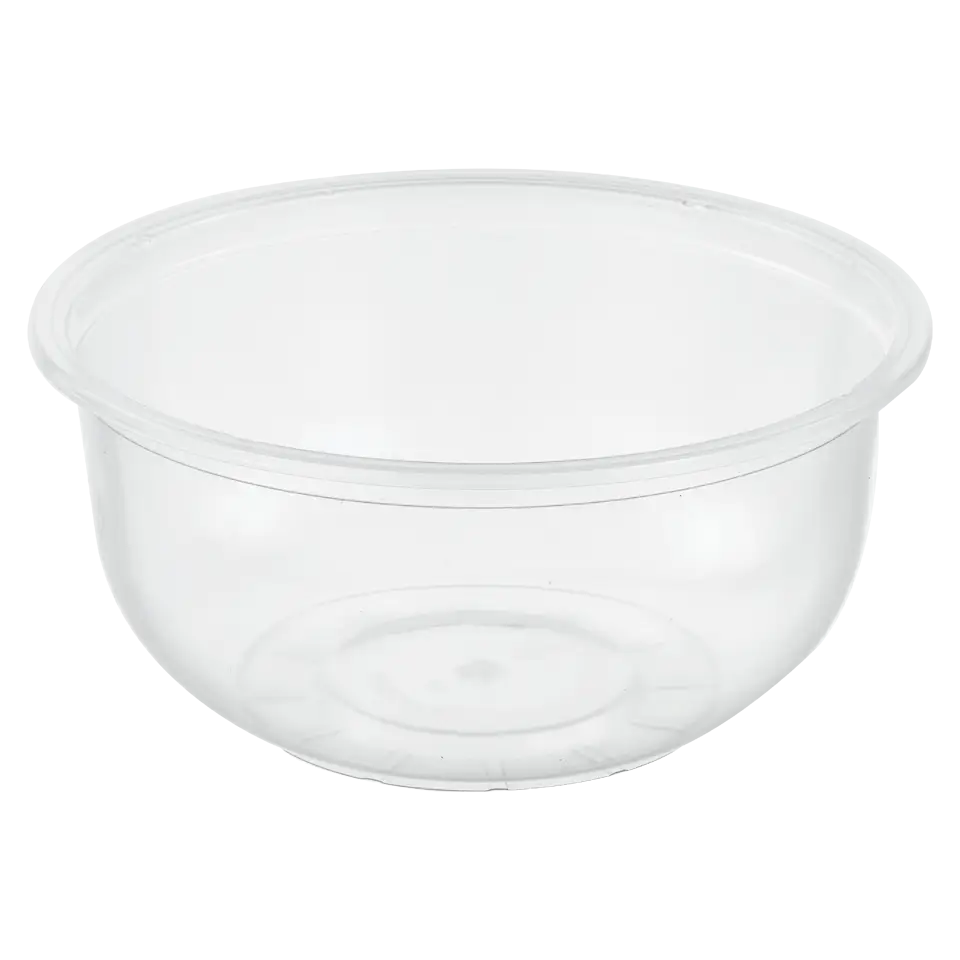
Long-distance sushi delivery in the UK places unusually high demands on food packaging. Unlike short-range takeaway, sushi bowls often pass through multiple courier hubs, cold storage environments, and last-mile handling scenarios before reaching consumers. In this context, packaging failure is rarely caused by temperature alone. Cracks, lid separation, and micro-leaks during transit are far more common. This is why PP sushi bowls have become the default solution for operators prioritising delivery reliability over short-term cost savings.
This article evaluates five PP sushi bowl suppliers and factories that demonstrate proven impact resistance, delivery stability, and regulatory alignment for the UK market. The focus is not on marketing claims, but on material behaviour, lid integrity, and real-world logistics compatibility.
Why PP Sushi Bowls Outperform Other Materials in UK Delivery Networks
Impact Resistance Matters More Than Sustainability Narratives
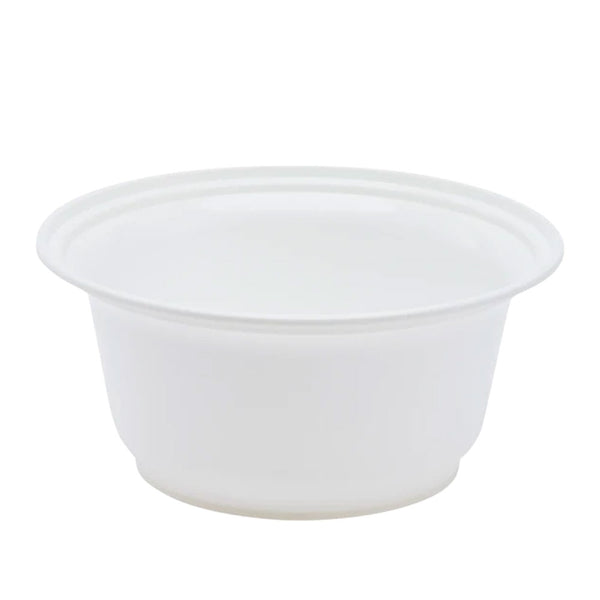
Polypropylene (PP, resin code 5) behaves very differently from materials such as PS or PLA when exposed to transit stress. Under impact, PP deforms and absorbs energy rather than fracturing. This characteristic is particularly important when parcels are inverted, stacked, or dropped during courier handling. Many UK operators learned this the hard way after PS containers were phased out and PLA alternatives failed under cold conditions.
For UK sushi operators working with third-party couriers, PP sushi bowls sourced from a custom PP sushi bowl manufacturer for UK delivery provide a measurable reduction in breakage rates, especially when paired with snap-fit lids designed for vibration resistance.
Temperature Range and Structural Stability
Sushi delivery frequently involves temperature transitions, from chilled storage at around -18°C to ambient handling during transport, and sometimes reheating of accompanying dishes. PP remains structurally stable across this entire range. It does not embrittle in cold conditions or soften excessively under heat. This consistency protects rice texture, prevents lid warping, and reduces condensation-driven leaks.
These characteristics explain why PP has become the preferred material for buyers sourcing from an OEM PP sushi bowl supplier for long-distance transport, particularly in regions with seasonal temperature fluctuations like the UK.
Regulatory Reality in the UK Market
Since the 2023 restrictions on certain single-use plastics, UK buyers have prioritised materials that balance compliance with operational practicality. PP is widely accepted by local councils, supports food contact declarations, and aligns with UK REACH requirements. For procurement teams, working with a food-grade PP sushi bowl factory compliant with UK standards significantly reduces compliance risk during audits or inspections.
How We Evaluated PP Sushi Bowl Factories for This Comparison
Delivery-Oriented Testing Over Generic Claims
Factories included in this review were assessed based on their ability to demonstrate credible impact resistance, not just general material descriptions. In practice, this means inverted drop tests with lids attached, repeat handling simulations, and structural consistency across production batches. These criteria are particularly relevant for operators shipping through DPD, Evri, or Amazon Logistics, where parcels may be re-sorted multiple times.
Lid Integrity Under Real Sushi Conditions
Sushi bowls present unique challenges. Moist rice, soy-based sauces, and acidic marinades place ongoing stress on lid seals. Snap-fit lids remain the most reliable option for long-distance delivery, provided they are paired with correctly matched bowl tolerances. Factories that could not demonstrate consistent lid retention were excluded, regardless of pricing advantages.
Commercial Feasibility for UK Buyers
Beyond technical performance, factories were also assessed on order flexibility, sampling availability, and supply model suitability. UK-based stockholders offer speed and low MOQ advantages, while factory-direct suppliers provide cost efficiency for scale. Buyers sourcing from a PP sushi bowl supplier for UK foodservice operators must balance both.
Satco Containers: UK-Based PP Sushi Bowl Supply With Local Stock
Satco Containers has established itself as a reliable UK supplier for PP food containers used across fast-casual and delivery-focused operations. While not a manufacturer, its product selection includes PP bowls and sauce containers well suited to sushi portions and side accompaniments.
What differentiates Satco is delivery speed and stock consistency. UK-based warehousing allows operators to respond quickly to demand fluctuations without committing to large imports. For independent sushi restaurants or small chains, sourcing from a PP sushi bowl supplier with UK warehouse stock reduces both lead time and cash flow pressure.
Satco’s PP bowls demonstrate solid performance under short- to medium-distance delivery, particularly when used with snap-fit lids. While they may not offer deep customisation, they provide a dependable entry point for operators prioritising operational simplicity.
Food Packaging Direct: Distribution-Focused Flexibility for Takeaway Sushi

Food Packaging Direct operates as a distributor rather than a factory, but its PP takeaway bowl range is relevant for sushi operators focused on rapid procurement. Wall thickness and base stability are designed for delivery, and PP’s chemical resistance prevents degradation when exposed to soy sauce or high-sodium marinades.
For dark kitchens and multi-brand operators, working with a PP sushi bowl distributor serving UK restaurants offers logistical convenience. Orders can be fulfilled quickly, and product consistency is maintained across locations. While custom branding options are limited compared to factory-direct sourcing, the trade-off is reliability and reduced administrative complexity.
Sunzza Plastic Industry: Factory-Direct PP Sushi Bowl Manufacturing
Sunzza Plastic Industry represents the factory-direct model increasingly favoured by medium to large UK sushi brands. With established export experience and food-grade PP sourcing, Sunzza offers a broad range of bowl geometries suitable for poke-style bowls, mixed sushi sets, and rice-forward formats.
Sunzza’s strength lies in its ability to tailor wall thickness, bowl depth, and lid compatibility. Buyers working with an ODM PP sushi bowl manufacturer for UK importers benefit from lower unit costs at scale, along with options for private label branding and specification adjustments.
Lead times are longer than UK-based sourcing, but for chains and meal-kit brands with forecastable demand, the cost advantages often outweigh the logistical complexity.
Duni Group: European Manufacturing Standards and Delivery Consistency
Duni Group brings a European manufacturing perspective to PP sushi bowl supply. Known for consistency and regulatory compliance, Duni’s PP containers are engineered for repeatable performance rather than aggressive cost reduction.
For premium sushi brands and operators serving corporate or hospitality clients, sourcing from a PP sushi bowl manufacturer aligned with EU and UK regulations reduces quality variance and strengthens brand positioning. While pricing is higher than Asian factory-direct options, the reliability and documentation support are often decisive for buyers prioritising risk management.
Paccor: Cold-Chain Optimised PP Containers for Advanced Delivery Models
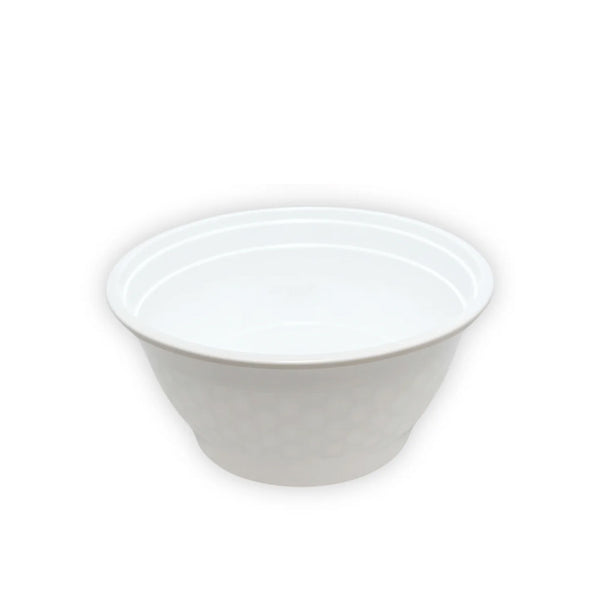
Paccor specialises in rigid plastic packaging with strong cold-chain performance. Its PP containers maintain flexibility at sub-zero temperatures and retain lid seals after freeze-thaw cycles, making them suitable for sushi subscription services and chilled meal kits.
For operators sourcing from a private label PP sushi bowl factory for cold-chain distribution, Paccor offers advanced quality control processes and customisation options. Embossed logos, tailored dimensions, and consistent batch testing support high-volume, brand-sensitive operations.
Matching the Right Supplier to Your UK Delivery Model
Independent sushi restaurants often prioritise speed and low commitment, making UK stock suppliers the most practical option. Dark kitchens benefit from distributor-based sourcing that supports rapid scaling. Larger chains and subscription brands, however, typically gain long-term advantages from factory-direct relationships with a PP sushi bowl factory for bulk UK buyers, where unit cost and specification control become critical.
Total cost of ownership should always be considered. Lower unit prices can be offset by higher damage rates, longer lead times, or compliance gaps. Impact resistance, lid reliability, and documentation quality directly influence operational efficiency and customer satisfaction.
How to Order PP Sushi Bowls for the UK Market
Before committing to bulk orders, buyers should request samples and conduct real delivery simulations, including inverted handling and chilled storage. Working with a certified PP sushi bowl supplier for UK import simplifies this process, as proper food contact declarations and material documentation are already in place.
Negotiation leverage increases with volume forecasting, multi-SKU bundling, and flexible delivery schedules. Conversely, buyers should avoid suppliers unable to provide test data or those relying on vague impact resistance claims without supporting evidence.
Final Thoughts
In the UK’s increasingly competitive sushi delivery market, packaging is no longer a secondary consideration. PP sushi bowls have proven their value through superior impact resistance, temperature stability, and regulatory acceptance. Selecting the right supplier depends not only on price, but on how well the packaging performs across the entire delivery chain.
By aligning your sourcing strategy with your delivery model and growth plans, you can turn packaging from a risk factor into a competitive advantage.