

People usually don’t start questioning digestion when everything feels fine. They ask this question when something feels off. A bowl of ramen is finished, the broth is gone, and instead of feeling satisfied, there’s a strange sense of fullness that hangs around longer than expected. That moment is where the rumor starts.
Ramen becomes the suspect not because it behaves differently in the body, but because it feels different. Over time, that feeling has turned into a claim that noodles somehow refuse to break down. It sounds dramatic, and that drama is exactly why the idea spread so easily.
What People Really Mean When They Say “It Doesn’t Digest”
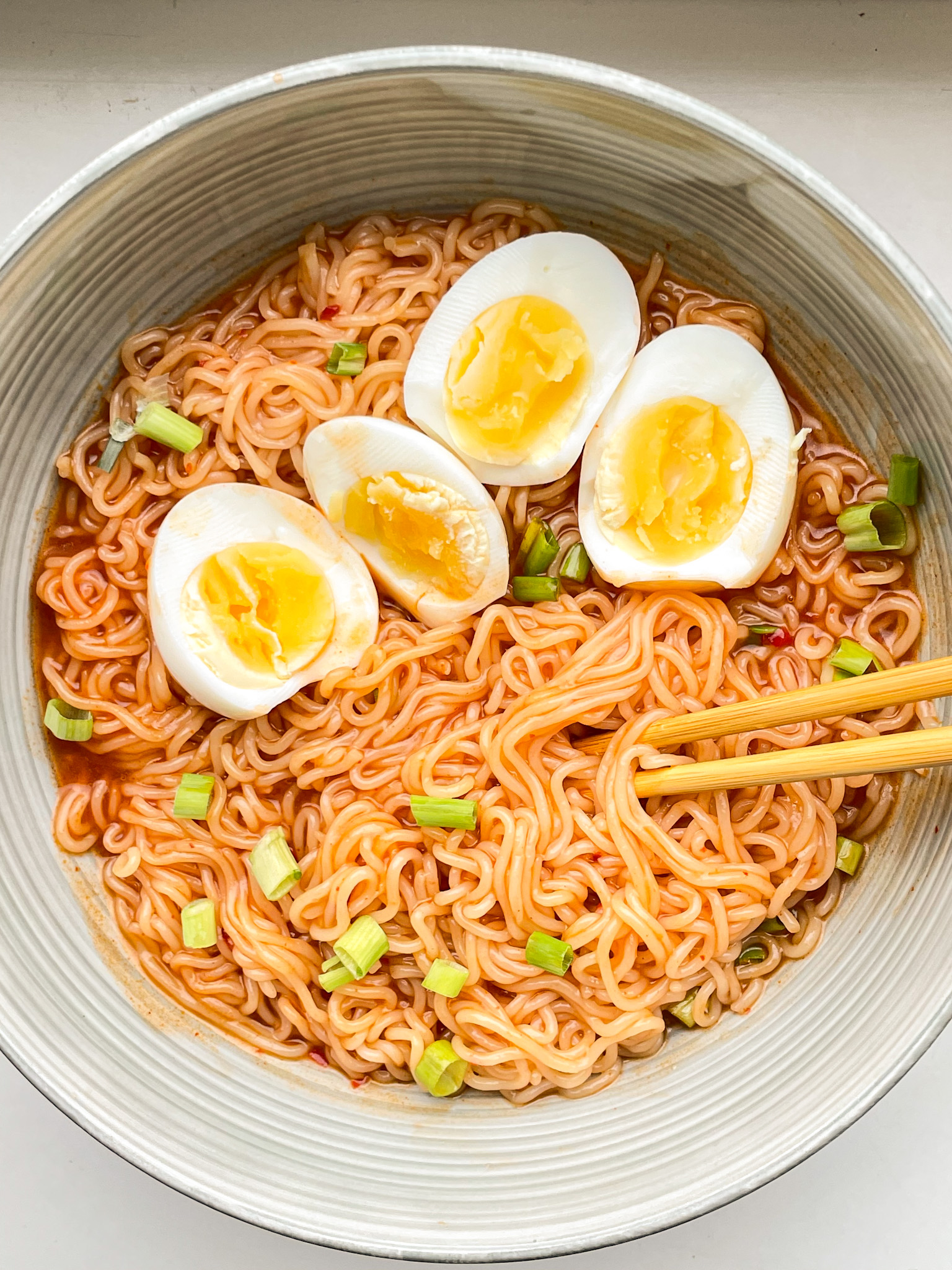
Very few people are actually asking whether ramen survives stomach acid. What they mean is simpler. They are asking why ramen feels heavier than other meals made from similar ingredients. Bread, pasta, dumplings, all use wheat, yet ramen gets singled out.
This question comes up often in product discussions with a custom ramen noodles manufacturer, because texture and density are intentional design choices. A noodle that stays springy in boiling broth is also a noodle that asks the stomach to work a little longer. That extra effort gets misread as failure.
Ramen Is Digested, Even If It Doesn’t Feel Fast
From a biological standpoint, ramen noodles do not have any special immunity. The stomach does not care whether a noodle came from a packet or a restaurant kitchen. Acid breaks it down. Enzymes do their job. Nutrients move forward.
What changes is timing. Instant ramen tends to slow things down. Not dramatically, not dangerously, just enough for the eater to notice. That delay creates discomfort, and discomfort invites suspicion.
This is something every instant ramen noodles supplier understands at a formulation level. Faster cooking on the outside often means denser structure on the inside, and dense food never feels light while digestion is still happening.
Why Instant Ramen Feels Different From Other Noodles
Instant ramen goes through more steps before it reaches the bowl. It is cooked, dried, and often fried. Those steps are not neutral. They change how the noodle absorbs water and how quickly enzymes can reach the starch.
Add salt to the equation and the effect becomes stronger. High sodium pulls water into the stomach, increasing pressure. That pressure is uncomfortable, especially when the meal is eaten quickly or without other foods.
This is why portion size and bowl volume matter to brands working with a ramen bowl packaging manufacturer. The eating experience does not end when the last bite is swallowed.
What Is Actually Happening After You Eat Ramen

Digestion rarely feels productive while it is happening. Ramen enters the stomach and starts softening almost immediately. The noodles lose structure, even if that change is invisible from the outside.
An hour later, they are no longer noodles in any meaningful sense. They are fuel in transition. The stomach continues working, and that work is exactly what people feel when they say ramen “sits there.”
Chefs familiar with sourcing from a fresh ramen noodles bowl factory often describe this difference as smooth versus dense digestion, not good versus bad digestion.
Why Fresh Ramen Escapes the Same Criticism
Fresh ramen rarely gets blamed for digestion problems. The reason is not that it digests magically faster. It is because it arrives balanced. Moisture content is higher. Processing is lighter. Protein and vegetables are usually present.
The stomach responds better to that balance. The meal feels structured instead of compact. People stop blaming digestion when the experience feels normal, even if the biological process takes just as long.
This perception gap is well understood by teams working with a private label ramen noodles bowl manufacturer, where product positioning depends as much on post-meal comfort as on flavor.
When Ramen Turns From Food Into Habit
Eating ramen once in a while rarely causes lasting issues. The body handles it, adjusts, and moves on. Trouble appears when instant ramen becomes routine. Low fiber, high sodium, and limited nutrients begin to stack effects.
Digestion still works, but it works harder. Over time, that effort becomes noticeable. The myth of “undigested noodles” grows out of repetition, not out of biology.
This pattern shows up clearly in market feedback from ramen noodles bowl OEM solutions for food brands, especially in regions where ramen is eaten several times a week.
How the Myth Got So Popular
The story gained traction because it sounded scientific without being precise. Images of food lingering in the stomach were shared without explanation. Dense foods always linger longer. That is normal digestion, not failure.
No study has shown ramen remaining intact through the digestive tract. What studies show is delayed emptying, which applies to many refined foods, not just noodles.
This misunderstanding is one reason companies working with a ramen noodles bowl ODM supplier increasingly focus on education rather than denial.
Making Ramen Easier Without Changing What It Is
:max_bytes(150000):strip_icc()/simply-recipes-easy-noodle-bowls-lead-2-a5ad96f85e4241c5b1027f277f1bfef6.jpg)
Ramen does not need to be fixed. It needs context. Adding protein changes how the meal feels. Adding vegetables gives digestion something to work with. Reducing seasoning powder lowers sodium load.
These changes do not turn ramen into health food. They simply make the eating experience less extreme. That approach mirrors how bulk ramen noodles bowl sourcing for international buyers adapts products to different dietary habits.
Who Notices Ramen the Most
Some bodies notice ramen more than others. People with sensitive digestion, sodium sensitivity, or reflux feel the effects sooner. That does not mean ramen is undigestible. It means their margin for imbalance is smaller.
Pregnant individuals and those managing blood pressure often fall into the same category. Moderation becomes practical, not moral.
So, Does Ramen Digest Properly or Not?
Ramen digests. The body knows exactly what to do with it. What confuses people is that digestion is not silent when the food is dense, salty, or eaten alone.
Once that distinction is understood, the rumor loses its force. Ramen stops being a mystery and returns to being what it has always been: a convenient meal that works best when eaten thoughtfully, not feared.