
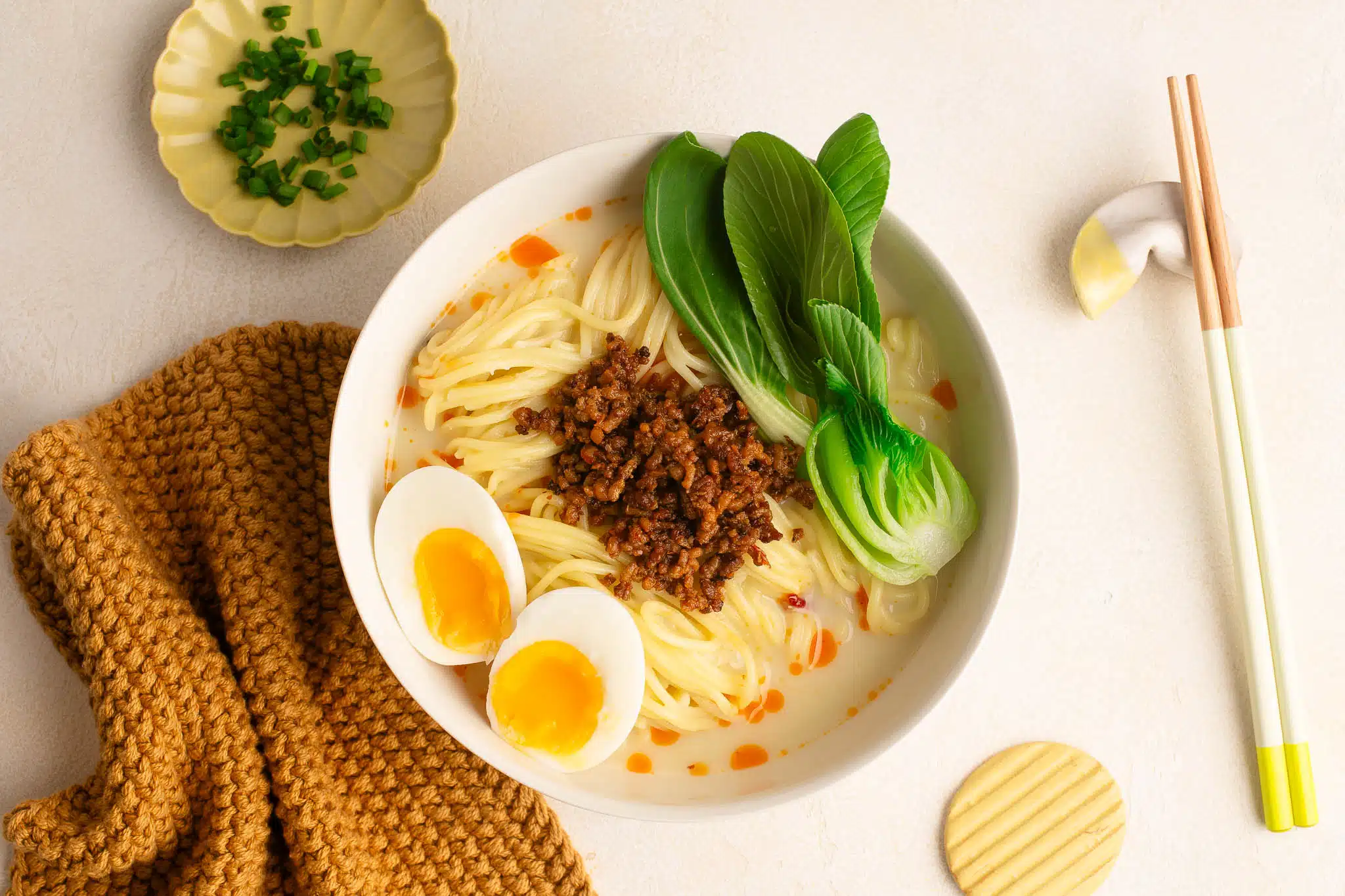
Ramen looks simple on the surface. Boil noodles, add broth, drop in toppings, eat while it’s hot. But anyone who has ruined a perfectly good bowl at home knows the truth: ramen is unforgiving. Small timing errors, tiny temperature mistakes, or one lazy shortcut can quietly destroy texture, balance, and aroma.
What follows isn’t a chef’s manifesto or a rigid rulebook. It’s a practical breakdown of the most common ramen mistakes that actually affect noodle quality, especially the kind people make without realizing it. Each section explains not just what goes wrong, but why it goes wrong—and how to fix it without turning your kitchen into a ramen lab.
Overcooking Your Noodles Without Realizing It

Noodles don’t fail all at once. They fade. That’s what makes overcooking such a common trap. Fresh ramen noodles, dried noodles, and instant blocks all have different tolerance windows, yet most people rely on guesswork instead of texture cues.
Once noodles pass their optimal point, starch granules absorb too much water, the gluten structure weakens, and the surface turns mushy. Even worse, noodles continue cooking after leaving the pot. Add them to hot broth and the clock keeps ticking.
The fix is counterintuitive: pull noodles slightly early. They should feel just shy of perfect when drained. If you’re serving immediately, that last 30 seconds in the bowl finishes the job. If you’re waiting, a brief cold-water rinse stops surface starch from swelling further—something professional kitchens quietly rely on when handling volume.
This same principle guides how custom ramen bowl manufacturer specifications are designed for heat retention: bowls hold temperature, but they don’t save overcooked noodles.
Cooking Noodles Directly in the Broth
This mistake feels logical. One pot, fewer dishes. Unfortunately, noodles release starch as they cook, and broth absorbs it fast. Clear shoyu turns cloudy, tonkotsu gets gummy, and miso loses depth.
Professional ramen shops never cook noodles in broth, not because it’s tradition, but because starch control equals flavor control. Even a small batch can thicken broth beyond its intended mouthfeel.
The solution is simple: boil noodles in plenty of water, drain thoroughly, then add to broth at serving temperature. You’ll notice sharper aroma, cleaner finish, and better separation between noodle and soup.
This separation is why many ODM ramen bowl factory clients request deeper bowls with wider rims—to combine components late without spillage.
Under-Seasoning and Flat Flavor Profiles

Ramen isn’t salty by accident. Salt carries aroma, anchors fat, and sharpens umami. When broth tastes “thin,” the problem is rarely the ingredients—it’s dilution or imbalance.
Adding toppings without adjusting seasoning is a common culprit. Vegetables release water. Proteins absorb salt. Oils mute perception if not balanced correctly.
Fixing this doesn’t require complex tare recipes. It requires timing. Season broth fully before noodles enter. Adjust again after toppings. Taste last, not first.
Many packaged ramen kits fail here, which is why foodservice buyers often work with OEM ramen bowl supplier partners to match portion volume to seasoning strength.
Overloading or Mismatching Toppings
More toppings don’t make better ramen. They make confused ramen.
Each classic style has an internal logic. Tonkotsu thrives on richness and restraint. Shoyu needs contrast. Miso tolerates bulk but hates clutter. When textures overlap—soft on soft, greasy on greasy—no single element stands out.
A good rule is three to five toppings, each serving a role: one protein, one aromatic, one textural contrast. Anything more should justify its place.
Restaurants think about this. Home cooks rarely do. That’s why even bowl geometry matters, something ramen bowl manufacturer for foodservice clients obsess over when balancing visual density and heat flow.
Using the Wrong Utensils
This sounds trivial until you try eating long, elastic noodles with a fork. Slippage increases, noodles break, and the eating rhythm collapses.
Ramen chopsticks are longer for a reason. Length creates leverage. Surface texture improves grip. Heat resistance matters more than people think—cheap disposable sticks soften in hot broth.
Good utensils don’t improve flavor, but they protect texture. That’s why many private label ramen bowl factory programs bundle chopsticks designed specifically for noodle service.
Letting Ramen Sit Too Long

Ramen has a short life. Five minutes is enough to ruin it.
Noodles absorb broth continuously. Starch leaks back into the soup. Fat emulsions destabilize as temperature drops. What started vibrant turns dull and heavy.
Professional chefs talk about a “golden eating window.” It’s real. Serve ramen immediately. Eat immediately. If conversation matters, ramen waits for no one.
This urgency is why custom foodservice ramen bowl manufacturer designs prioritize insulation without overheating.
Breaking the Noodle Block Before Cooking
Breaking dried noodles seems harmless. It isn’t.
Whole noodle strands create airflow, tension, and slurpability. Broken noodles collapse into clumps and cook unevenly. Mouthfeel suffers first, flavor second.
Use a pot wide enough for the block to open naturally. Let boiling water do the work. This small patience upgrade pays off fast.
Skipping Bone Cleaning for Homemade Broth
Cloudy bitterness isn’t “richness.” It’s poor prep.
Bones carry blood, marrow residue, and surface impurities. Without soaking and blanching, those elements dominate early extraction and muddy the broth.
Clean bones mean cleaner flavor. That’s why even high-end kitchens treat bone prep as non-negotiable. The same logic applies when scaling production, which is why ramen bowl supplier for commercial kitchens often design bowls that showcase clarity.
Adding Ingredients at the Wrong Time
Timing isn’t about precision—it’s about respect for ingredients.
Leafy greens die quickly. Eggs overcook fast. Thin meats toughen in seconds. Dumping everything in together guarantees compromise.
Add components in stages. Some go in the bowl, not the pot. This is how restaurants maintain consistency even during rush hours.
Poor Broth Extraction Technique
Boiling everything aggressively feels productive. It isn’t.
Clear broths want gentle heat. Kombu hates boiling. Dried fish turns bitter past certain temperatures. Thick broths need agitation, but only after fat renders properly.
Understanding extraction prevents overcorrection later. You season less. You fix less. The broth speaks for itself.
Sticking to One Ramen Style Forever
Comfort is good. Exploration is better.
Different styles teach different lessons. Hakata teaches speed. Sapporo teaches fat management. Tokyo shoyu teaches balance.
Trying new styles sharpens technique, even if you return to your favorite.
That’s why international buyers sourcing from a ramen bowl manufacturer for wholesale partners often request multi-volume molds—to support different regional bowls without redesign.
Final Thoughts: Fixing Ramen Is About Restraint
Most ramen mistakes don’t come from ignorance. They come from rushing, overdoing, or simplifying the wrong step.
Slow down where it matters. Separate components. Respect timing. Taste late. Serve hot.
Great ramen isn’t fragile—but it does remember every decision you make along the way.