
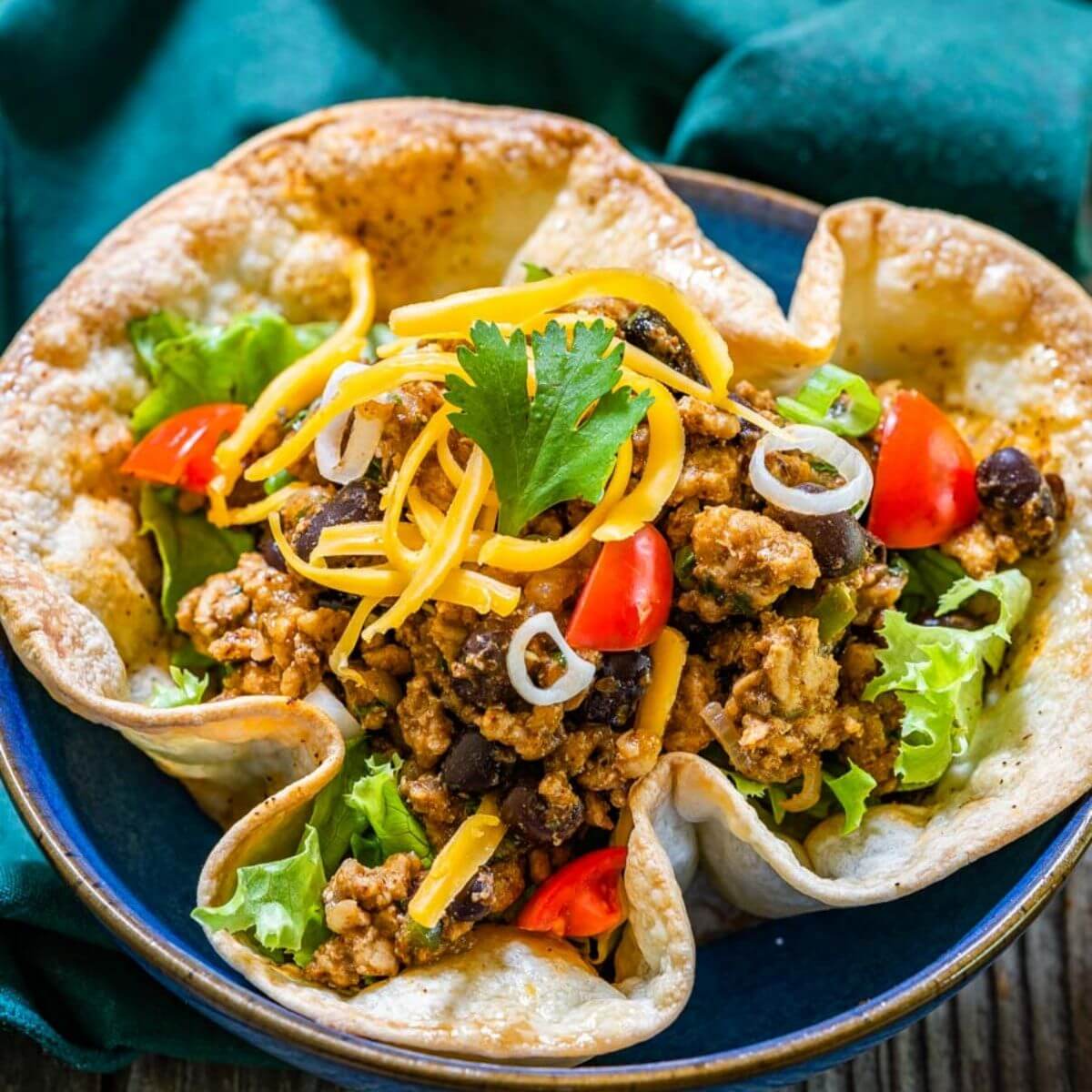
Taco salad bowls look forgiving. That’s the trap. They seem like something you can throw together without thinking too hard, but once you try making them at home a few times, you realize how easy it is for them to fail in quiet ways. The bowl goes soft before you finish eating. The flavors blur together. Everything slides to the bottom.
Most restaurant taco salad bowls don’t succeed because they’re fancy. They succeed because the structure was thought through long before the food hit the plate. At home, you don’t have that system. You have to build one yourself.
Why Homemade Taco Salad Bowls Feel Harder Than They Look
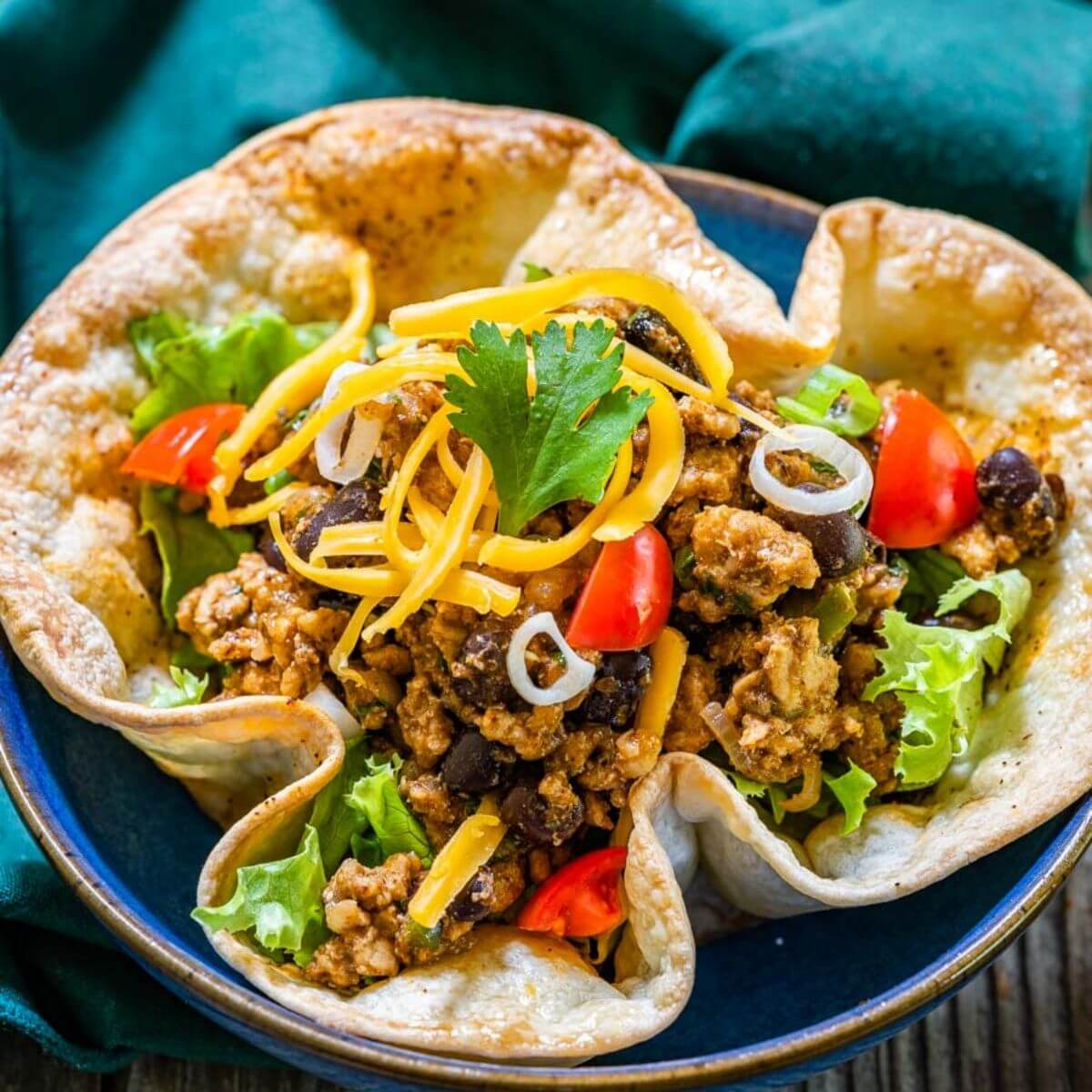
The biggest difference between a restaurant bowl and a homemade one isn’t seasoning. It’s control. Restaurants control moisture, heat, portion size, and timing. At home, everything happens at once, usually too fast.
When food brands work with a taco salad bowl manufacturer focused on structural consistency, they’re solving the same problem at scale. At home, you’re solving it with judgment. That judgment only comes after a few bowls fail.
Tortilla Choice Matters More Than Most Recipes Admit
Most recipes gloss over the tortilla, but that’s where the entire bowl begins or collapses. Flour tortillas are easier to shape and more forgiving if your oven runs hot. Corn tortillas taste better to some people, but they crack if you rush them or let them cool too long before shaping.
Thickness matters too. Ultra-thin tortillas crisp fast but lose strength quickly. Slightly thicker ones take longer but hold up better under warm fillings. This balance between crispness and strength is exactly what commercial kitchens look for when sourcing from a custom tortilla bowl manufacturer for foodservice programs.
Shaping the Bowl Without Fighting the Tortilla
Shaping is less about force and more about timing. The tortilla needs to be warm enough to bend but dry enough not to sag. Miss that window and you end up forcing it into shape, which creates weak points that crack later.
At home, upside-down oven-safe bowls work well, but they’re not magic. You still need to watch how the tortilla settles as it bakes. Small adjustments early save you from breakage later. This hands-on shaping is the opposite of how large kitchens operate, where bowls arrive pre-formed from a taco salad bowl factory supplying restaurant chains.
Crisping Without Burning or Soft Spots
Uneven heat is the enemy here. One side browns, the other stays pale. Rotating the bowl halfway through baking helps, but so does resisting the urge to crank the temperature.
Lower heat for longer time dries the tortilla more evenly. That dryness is what gives you strength later. Restaurants rely on equipment to guarantee this outcome. Home cooks rely on patience. Even brands working with a private label taco bowl manufacturer spend months dialing in bake times before a product ever ships.
Protein Is Where Most Bowls Quietly Fail
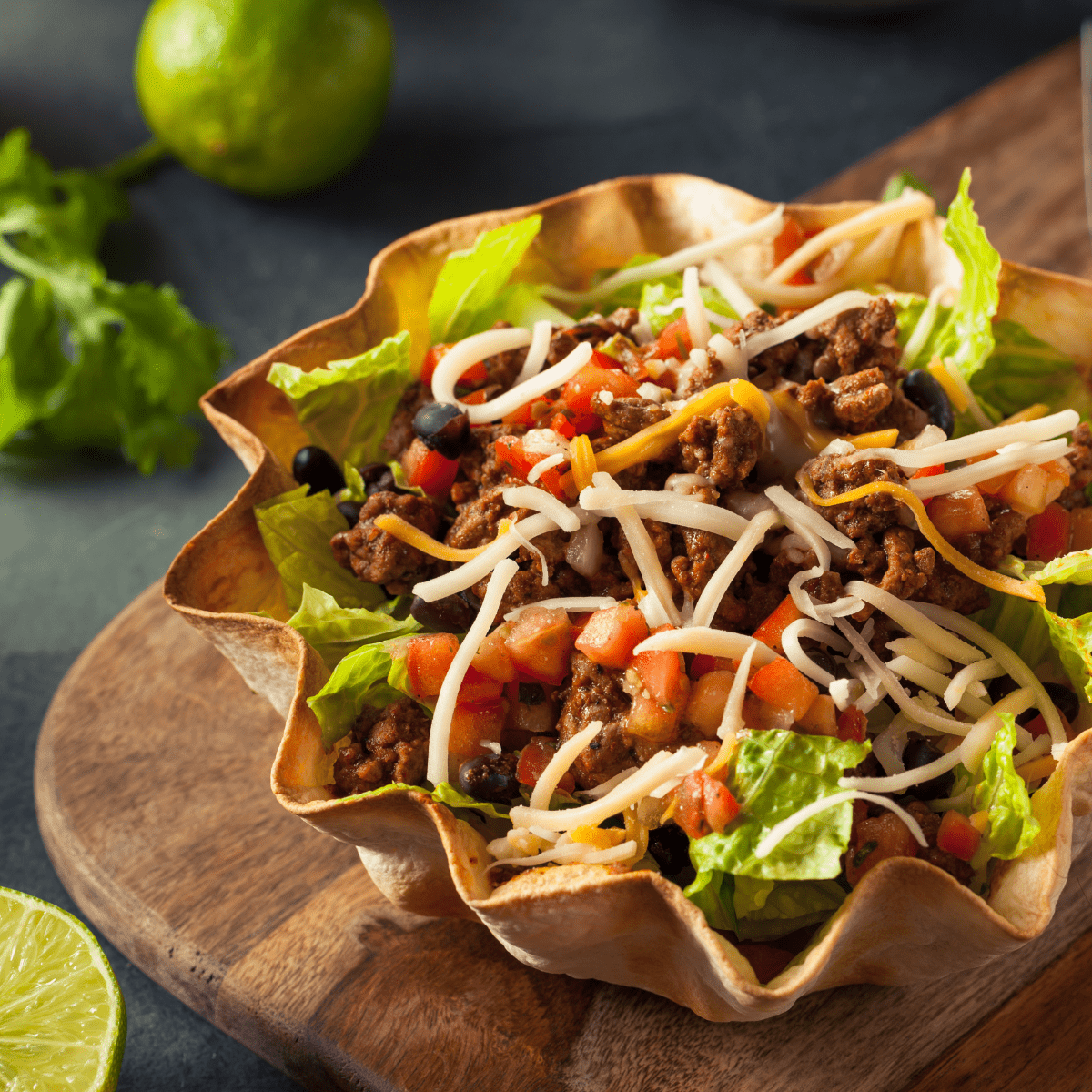
Protein doesn’t usually destroy the bowl immediately. It destroys it slowly. Too much moisture seeps down, softens the base, and by the last few bites, the structure is gone.
Ground beef needs to cook longer than most people think. Chicken needs higher heat and less crowding. Beans should be drained and warmed separately, not simmered into the meat. These details are boring, but they’re the difference between a bowl that lasts and one that collapses.
Commercial kitchens obsess over this because packaging performance depends on it. That’s why operators often test recipes alongside containers from a food-grade taco salad bowl supplier to see how fillings behave over time.
Seasoning for Balance, Not Volume
Strong seasoning doesn’t mean dumping in spice. It means knowing when to stop. Taco seasoning mixes can overwhelm quickly, especially once toppings come into play.
Season the protein to taste good on its own, then stop. The bowl adds contrast later. Acid from lime, salt from cheese, freshness from greens. When everything is loud, nothing stands out. This restraint is something meal-kit brands learn early, often in collaboration with a taco salad bowl supplier for meal-prep operations.
Fresh Ingredients Need Dry Hands and Good Timing
Lettuce is simple until it isn’t. Any water left clinging to the leaves becomes steam once it touches warm food. That steam has nowhere to go except into the bowl.
Tomatoes should be seeded. Avocados should be cut late. Corn should be warm but dry. None of this is difficult, but skipping it shows up fast. Restaurants train for this. Home cooks learn it the hard way. Even catering companies designing menus with a taco salad bowl manufacturer for catering service build workflows around keeping wet and dry ingredients apart.
Sauce Is Optional, Structure Is Not
Sauce adds comfort, but it also adds risk. Thick sauces sink. Thin ones spread. Both soften the shell if overused.
If you want crema, thin it more than you think you should. Drizzle lightly. Or serve it on the side and dip as you eat. This is exactly why delivery-focused brands pair bowls with lids sourced from a taco salad bowl manufacturer for bulk distribution, letting the eater control when sauce enters the picture.
Assembly Order Changes Everything
Assembly isn’t decoration. It’s engineering. Greens first, protein next, heavier toppings after, sauce last. This order isn’t about looks. It’s about protecting the base.
Warm ingredients should never touch the tortilla directly. Even a thin layer of lettuce buys you time. Temperature differences matter too. Extremely hot fillings accelerate softening. In takeout scenarios, this is addressed through packaging design, often developed with a sustainable taco salad bowl manufacturing partner that understands airflow and heat retention.
Making Taco Salad Bowls for Different Eating Styles
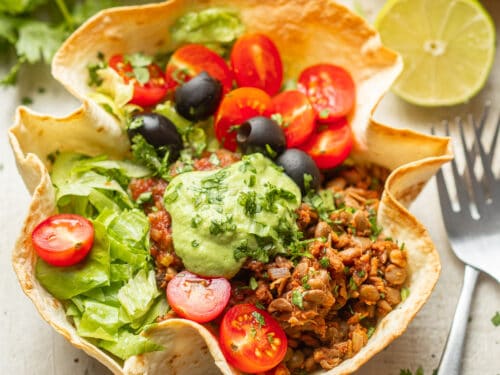
Low-carb bowls rely on volume control rather than shells. Vegan bowls rely on texture and seasoning more than protein weight. Family-style bowls benefit from letting everyone assemble their own.
What doesn’t work well is fully assembled bowls sitting around. Even the best shell gives up eventually. That’s why ready-meal brands separate components until the last moment, a strategy refined through testing with a taco salad bowl manufacturer serving wholesale buyers.
Mistakes You Only Notice After Eating
The bowl doesn’t usually fail at the first bite. It fails at the end. That’s when you notice sogginess, imbalance, or fatigue from too much seasoning.
Most first attempts fail quietly. You finish eating, shrug, and move on. But after a few tries, patterns emerge. Too much sauce. Too much heat. Too much moisture. Fixing those patterns is what turns taco salad bowls from a gamble into a reliable meal.
Why Making Taco Salad Bowls Gets Easier Over Time
Once you stop chasing perfection and start watching what actually happens as you eat, taco salad bowls become predictable. You learn how long the shell lasts. You learn how much filling is too much. You learn when to stop.
Restaurants achieve this with systems. Home cooks achieve it with repetition. Both arrive at the same place: a bowl that holds, tastes balanced, and doesn’t fall apart halfway through.
And once you get there, you stop thinking about the bowl at all. You just eat.