
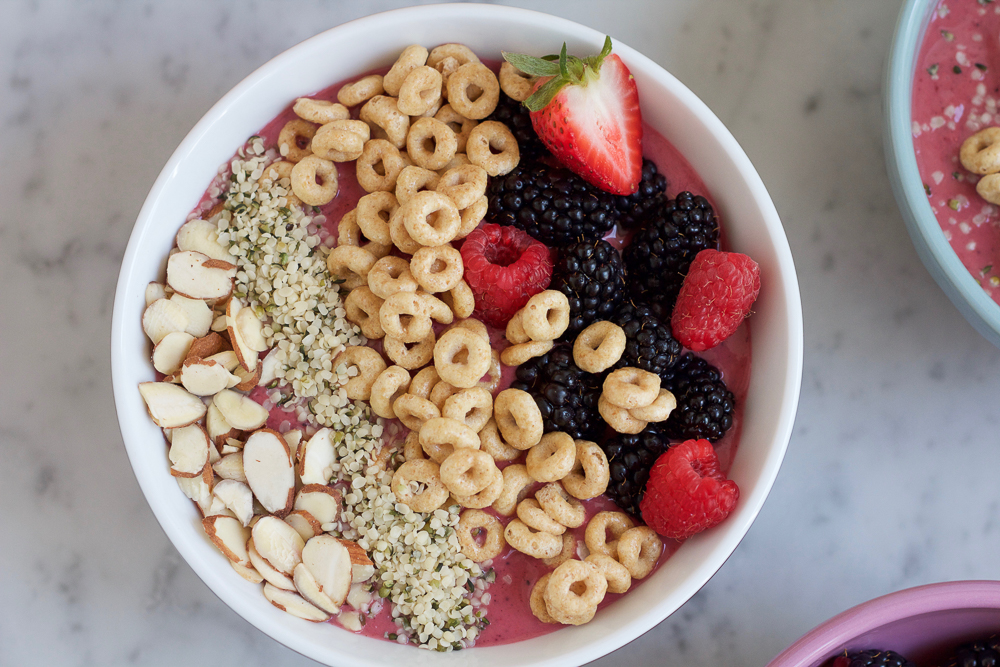
Most mornings, nobody is thinking in cups. You grab a bowl, pour cereal until it looks reasonable, add milk, and sit down. The bowl feels full enough, so breakfast feels done.
Only later—maybe when reading a nutrition label or tracking calories—does the question show up: how many cups were actually in that bowl?
The uncomfortable answer is that a “bowl of cereal” is not a real measurement. It never has been.
Why a Bowl Is Not a Unit of Measurement
Cups are precise. Bowls are not. A bowl is a shape, a habit, and a personal comfort zone all mixed together.
Most cereal bowls used at home can hold more than people think. Once cereal spreads across the bottom and climbs the sides, the visual cues stop matching volume. What feels like a normal pour is often already beyond a single cup.
That gap between feeling and measurement is exactly why people struggle to answer this question with confidence.
What a “Normal” Cereal Bowl Usually Holds
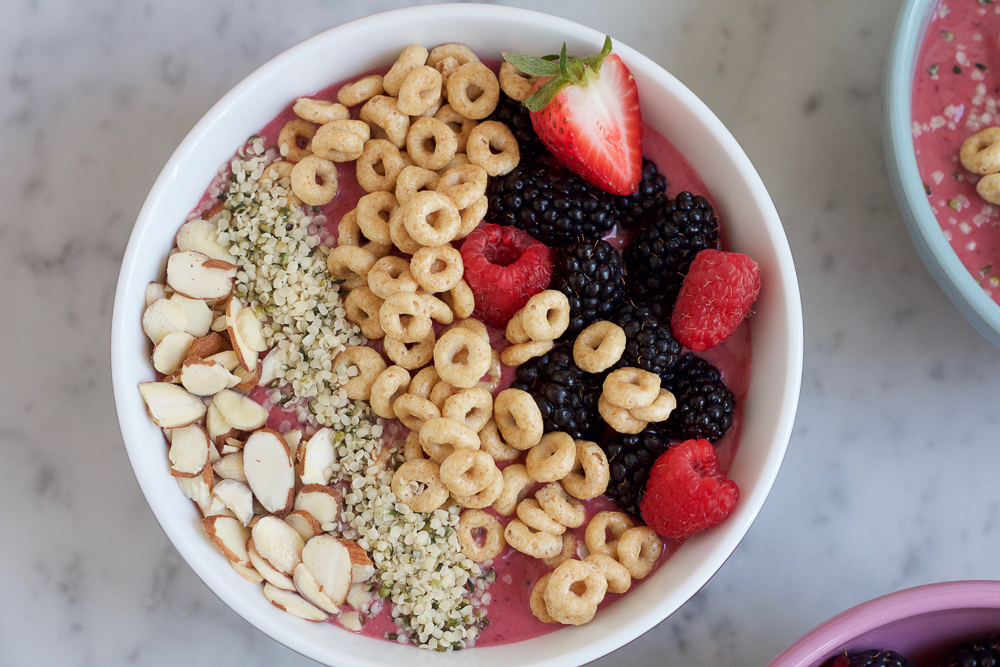
In most kitchens, a standard cereal bowl comfortably fits somewhere around one and a half to two cups of dry cereal before milk goes in. That range shows up again and again, not because of nutrition rules, but because bowls evolved that way.
They needed to be deep enough to avoid spills, wide enough for a spoon, and familiar enough to feel right. Over time, that size became the default.
It’s the same logic many custom cereal bowl manufacturer lines follow today: bowls that feel natural get used, bowls that don’t get ignored.
Small Bowls and the Illusion of “Enough”
Smaller bowls, closer to one cup in capacity, fill quickly. Once the cereal reaches the top, there’s a strong psychological signal that the portion is complete.
What’s interesting is that people rarely complain about hunger when using these bowls. The visual fullness does a lot of work. The food hasn’t changed, but the experience has.
This is why portion-focused households often source smaller designs through OEM cereal bowl supplier relationships, especially when bowls are intended for kids or light breakfasts.
Medium Bowls: Where Overpouring Quietly Starts
Medium bowls are the most common choice for adults. They don’t look big, but they don’t limit you either. That’s the problem.
There’s space to keep pouring without realizing it. A little extra doesn’t look dramatic. Add milk, and the cereal underneath becomes harder to judge. By the time the bowl feels “right,” the volume has crept up.
From a production side, this size dominates catalogs from ODM cereal bowl factory partners because it works for almost everyone, even if it doesn’t help with awareness.
Large Bowls and How Portions Drift
Large bowls rarely feel excessive at first. They look generous, even comfortable. The cereal spreads out, leaving plenty of empty space, which tricks the eye into thinking the portion is modest.
That’s where drift happens. A bowl that can hold three cups doesn’t demand three cups, but it quietly allows it. Over time, what once felt like “a lot” becomes the new normal.
In foodservice settings, this is why operators often work with a cereal bowl supplier for bulk buyers to lock portion expectations through size alone.
Bowl Shape Changes How Much You Pour

Depth matters. So does width. A narrow, deeper bowl fills upward fast and looks full early. A wide, shallow bowl hides volume across the bottom.
Curved sides add another layer. They soften the visual edge, making it harder to see how much cereal is really there. Straight walls are more honest, but less common.
These details aren’t accidental. Brands developing lines with a private label cereal bowl manufacturer often adjust shape specifically to influence how the bowl feels when filled.
One Cup Does Not Look the Same for Every Cereal
A cup of puffed cereal takes up space quickly. A cup of dense granola barely covers the bottom. Visually, they don’t register as equal, even though the measurement is the same.
This mismatch explains why people pour more of certain cereals without thinking twice. The bowl looks empty, so the hand keeps going.
In commercial breakfast programs, matching cereal type to bowl capacity is common practice, especially when working with a cereal bowl factory for foodservice distribution.
Measuring Without Ruining the Morning
Most people don’t want scales or measuring cups at breakfast. That’s fair. The goal isn’t precision—it’s familiarity.
Once you know your usual bowl equals roughly two cups when filled comfortably, you stop guessing. You don’t need to measure again. The bowl teaches you.
Restaurants rely on this same idea by partnering with a commercial cereal bowl manufacturer to make sure every guest sees the same portion without being told what it is.
Portion Control Without Feeling Restricted
Eating less cereal doesn’t always mean changing cereal. Often, it means changing the container.
Smaller or deeper bowls naturally slow the pour. They create an endpoint without rules. This design-first approach shows up more often now among sustainable cereal bowl supplier brands focused on long-term eating habits rather than trends.
Kids, Adults, and Shared Bowls
When one bowl size dominates the cabinet, everyone uses it—kids included. Portions blur, not because of appetite, but because the tool is oversized.
Households and schools that separate sizes tend to see more consistent eating patterns. That’s why many institutions choose multi-size sets from BPA-free cereal bowl manufacturer partners instead of single-size collections.
Why Serving Sizes on Boxes Feel Unreal

Cereal boxes often list servings that feel too small. The issue isn’t discipline—it’s context. A three-quarter cup looks tiny in a bowl designed for twice that amount.
Once you understand your bowl’s real capacity, the label stops feeling disconnected. You can see what half a bowl actually means.
Some brands now design packaging and tableware together through eco-friendly cereal bowl manufacturer collaborations, trying to close that gap.
So, How Many Cups Are in a Bowl of Cereal?
Most of the time, more than one. Often closer to two. Sometimes even more than that.
The exact number depends on the bowl, the cereal, and how full feels “normal” to you. Once you know those three things, the question stops being confusing—and breakfast stays simple.