
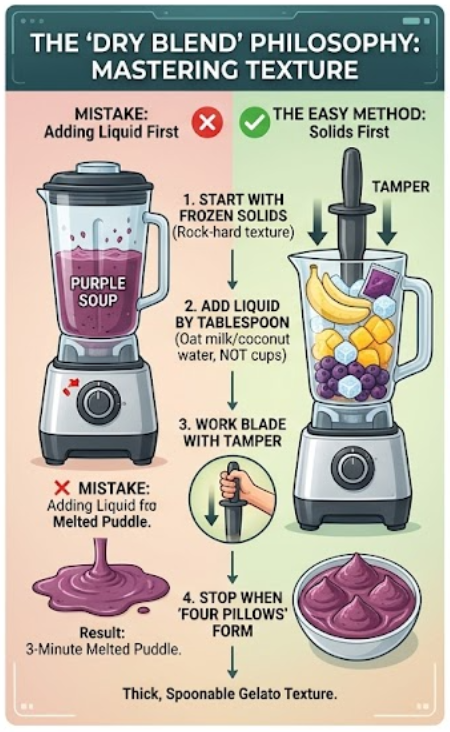
Let’s be brutally honest for a second: most “homemade” smoothie bowls end up looking like a puddle of melted purple soup within three minutes. We’ve all seen the Pinterest-perfect versions that look like thick, swirlable gelato, and the gap between that and the watery mess in your kitchen usually comes down to one thing: thermal physics. If you can’t turn your blender jar upside down without the contents falling out, you haven’t mastered the “Easy Method” yet.
This isn’t just about breakfast; it’s a mechanical process. Whether you’re making one for yourself or you’re a procurement officer looking to scale a health-food franchise, the structural integrity of the bowl is the “make or break” factor.
The “Dry Blend” Philosophy
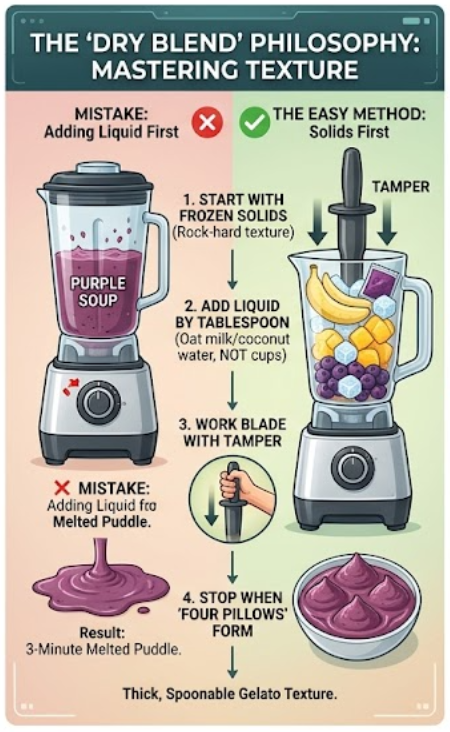
The biggest amateur mistake? Adding liquid first. If you want that spoonable, thick-as-mortar texture, you have to treat your blender like a food processor, not a juicer. You start with the frozen solids—rock-hard bananas, frozen-solid mango chunks, or acai packs. If you are a brand manager or a retail buyer, you already know that the vessel’s insulation matters here, which is why many high-end juice bars spend weeks vetting a custom acai bowl factory for private labels to find a container that won’t sweat or heat up the base.
You add your liquid (oat milk, coconut water, whatever) by the tablespoon. Not the cup. The blender will growl. It will sound like it’s struggling. That’s good. That struggle is the sound of air being whipped out of the fiber, creating a dense, micro-crystal structure that holds up toppings like a champ.
Hardware: The Foundation of Every Professional Prep

You can have the most expensive organic dragon fruit in the world, but if your blade is dull or your motor is underpowered, you’re just making chunky ice. In the commercial world, the equipment is actually half the battle. This reality leads many hospitality groups to seek out a reliable fruit bowl factory for high-volume orders to ensure they have durable, thick-walled containers that can withstand the thermal shock of a sub-zero smoothie base.
A high-speed blender with a “tamper” (that plastic stick used to push food down) is your best friend. You have to actively work the fruit into the blades. When you see “four pillows”—four distinct mounds forming at the top of the swirl—stop immediately. Over-blending generates friction heat, and heat is the enemy of the smoothie bowl.
Engineering the Aesthetic: The Topping Strategy
Once you’ve scraped that thick, vibrant “lava” into your bowl, your race against the clock begins. You’ve got a narrow window before the edges start to lose their crispness. For those running a boutique fitness studio or a health cafe, the surface area of the bowl is a major design choice. Many owners consult with a professional fruit bowl supplier for kitchenware brands to find wider, shallower bowls. Why? Because a wider bowl means more “real estate” for toppings, and in the world of healthy eating, visual abundance equals perceived value.
The pro-tip for toppings is “the line.” Don’t just scatter your granola like birdseed. Lay it in a sharp, clean diagonal. Place your hemp seeds or chia seeds next to it, then perhaps some thinly sliced strawberries overlapping like scales. The contrast—the crunch of the nut against the velvet of the base—is what keeps the customer coming back.
The Logistics of a Global Health Trend
From a B2B perspective, the smoothie bowl craze has created a massive secondary market for specialized hardware. If you’re looking to scale a healthy fast-casual concept, you aren’t just looking for a vendor; you’re looking for a top-tier fruit bowl exporter for global distribution who understands international food safety standards and shipping durability.
Whether it’s sustainable bamboo, recycled PET, or heavy-duty ceramic, the material choice dictates the “melt rate.” For instance, an OEM fruit bowl developer for international sourcing might recommend double-walled insulation if your business operates in high-humidity or tropical climates. This prevents that annoying condensation ring on the table and keeps the product photogenic for the customer’s entire 15-minute meal.
Bulk Procurement for the Wellness Economy
Smoothie bowls are no longer just a “trend”; they are a staple of the $4 trillion global wellness economy. This shift has forced large-scale operators—think retreat centers, luxury gyms, and corporate wellness hubs—to streamline their back-end procurement. Often, this involves securing a long-term contract with a wholesale fruit bowl distributor for wellness centers to ensure the dining experience feels cohesive across multiple locations.
When you’re serving a hundred people at a morning yoga retreat, the weight of the bowl in the hand matters. A heavy, earthy stoneware bowl makes a $15 smoothie feel like a premium wellness investment. A flimsy plastic container, on the other hand, can make it feel like an overpriced snack. People eat with their eyes, but they value with their hands.
Breaking the Flavor Ceiling with Functional Additives
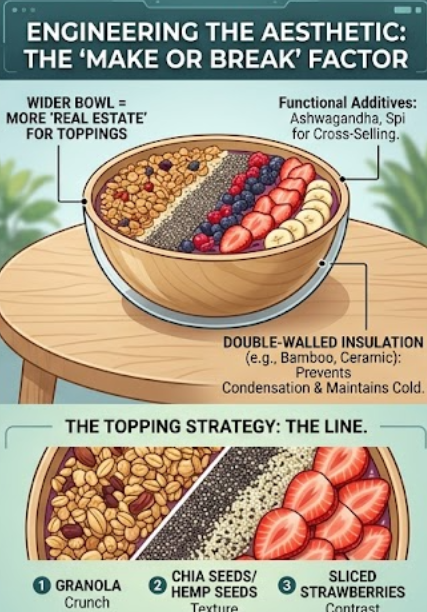
Once you have the easy method down—frozen base, minimal liquid, high-speed blending—you can start playing with “functional” boosters. We’re talking about ashwagandha for stress, spirulina for protein, or even activated charcoal for that moody, jet-black aesthetic. For those in the retail space, this is a prime opportunity for cross-selling. By working with a specialized fruit bowl manufacturer for concept stores, a brand can sell the “look” of health just as much as the health itself.
Imagine a retail display where the bowls are color-coordinated with the superfood powders. It creates a “lifestyle” vibe that encourages customers to recreate the cafe experience at home. This is essentially the “lifestyle” effect—people value what they have a hand in creating, provided the tools make it easy for them to succeed.
Longevity and Brand Consistency in Hospitality
For the long-term player, the ultimate goal is consistency. If you’re a hotel manager, you want the smoothie bowl at your London location to feel just as premium as the one in Tokyo. This level of brand consistency usually requires a premium fruit bowl supplier for luxury hotels who can guarantee a steady supply of identical, high-durability products that won’t chip or fade after a hundred cycles in a commercial dishwasher.
The “Easy Method” is ultimately a blueprint for scalability. Whether you are making one bowl in your own kitchen or overseeing the production of thousands in a central prep kitchen, the rules of physics don’t change. Keep it cold, keep it thick, and never, ever underestimate the power of a beautiful bowl. By focusing on the intersection of high-quality ingredients and professional-grade hardware, you ensure that every spoonful is a testament to the quality your brand—or your kitchen—aims to represent.