
Most people don’t start eating ice cream with a calculator in hand. It usually begins with a craving, a freezer door opening, and a scoop that feels reasonable in the moment. The calorie question often comes later, sometimes halfway through the bowl, sometimes after the container is already empty.
So how many calories are actually in a cup of ice cream? The short answer exists. The useful answer takes a little more explaining.
What “One Cup” Means In Nutrition Terms
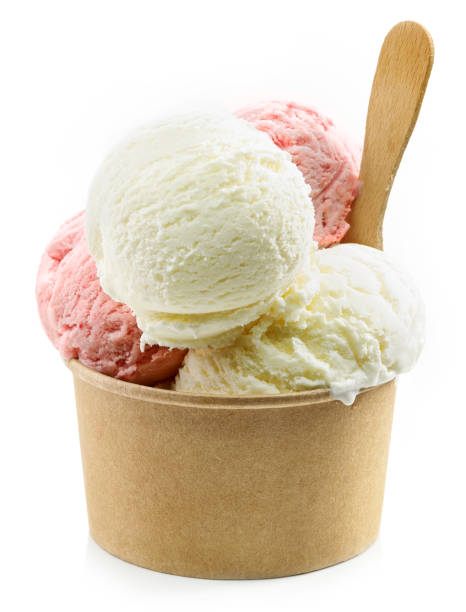
In nutrition references, a cup of ice cream isn’t a casual estimate. It’s a defined volume, roughly equivalent to about 132 grams of standard ice cream. When food databases use this measurement, they usually base it on plain vanilla, because vanilla has no mix-ins that complicate comparisons.
Under those conditions, a cup of regular ice cream typically falls in the low-to-mid 200 calorie range. That number comes mostly from fat and sugar, with protein playing a much smaller role.
This definition is also what guides portion references used by brands working with a custom ice cream cup manufacturer, since consistent volume is essential for labeling accuracy.
Why The Same Cup Can Hold Very Different Calories
The confusion starts when real ice cream doesn’t behave like the reference sample.
Fat content is the biggest variable. Standard ice cream usually contains around ten percent milk fat. Premium versions push well beyond that. As fat increases, calorie density increases too, even if the bowl looks unchanged.
Air content matters just as much. Ice cream is churned with air, and some products contain much more of it than others. A fluffy ice cream may fill a cup easily but weigh less. A dense ice cream can pack far more calories into the same space. This density difference is something every ice cream packaging supplier for foodservice environments has to account for, because visual portions don’t always match nutritional reality.
Sugar type also plays a role. Traditional sugar, corn syrup solids, and alternative sweeteners all contribute calories differently, even when labels look similar at first glance.
Calories By Ice Cream Style, Not Just Brand
Regular ice cream sits near the center of the calorie spectrum. Premium and super-premium ice creams tend to run higher per cup, not because of larger portions, but because of richer bases and lower air content.
Light or reduced-fat ice cream lowers calories, though usually by less than people expect. Cutting fat changes texture, so sugar or stabilizers often increase to compensate. The final calorie drop is real, just not dramatic.
Gelato often contains less fat, but also less air, which narrows the calorie gap. Frozen yogurt sounds lighter, yet flavored versions with heavy sweetening can land close to regular ice cream. Sorbet removes dairy entirely, but sugar keeps calories firmly in play.
These formulation differences are why brands coordinating with a private label ice cream cup manufacturer rarely rely on one universal calorie estimate.
Flavor Isn’t The Main Calorie Driver
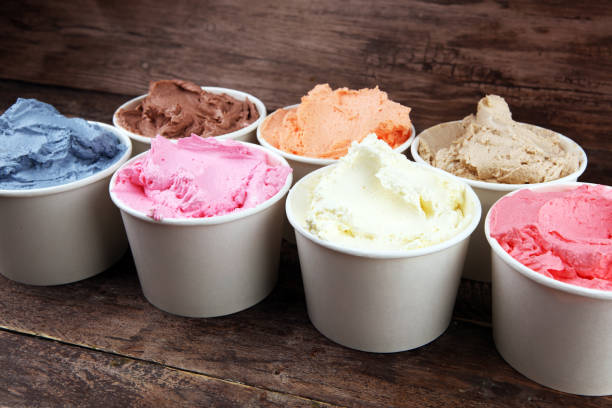
Vanilla, chocolate, and strawberry usually sit close together in calories when made with similar bases. The real jumps happen when ingredients are added.
Cookie pieces, caramel ribbons, fudge swirls, and nut clusters all add fat and sugar. A single flavor name can hide large differences depending on how generous those additions are.
For companies distributing multiple SKUs through the same container size, this variability is one reason ice cream cup suppliers for bulk production emphasize accurate fill guidance rather than assumptions.
Why Brand Labels Often Feel Misleading
Many ice cream brands list serving sizes smaller than a full cup. Half-cup and two-thirds-cup servings are common. The calorie number looks modest, but the portion most people actually eat is larger.
When those numbers are converted back to a full cup, brand differences often shrink. Store brands and premium brands frequently overlap once density and fat content are accounted for.
From a packaging perspective, brands working with an OEM ice cream cup manufacturer sometimes adjust cup dimensions to visually reinforce realistic servings without changing the product itself.
Calories Aren’t The Only Thing In A Cup
A cup of ice cream delivers more than energy. Saturated fat often makes up a large share of daily recommendations. Added sugars can spike quickly, especially when ice cream is eaten on its own.
Protein remains modest, even in dairy-based products. Ice cream was never designed to be nutritionally balanced. It’s designed to be satisfying.
This reality is something food brands increasingly acknowledge when collaborating with a food-grade ice cream container manufacturer for wholesale programs, especially in markets focused on transparency.
Portion Size In Real Life Versus On Paper
At home, most people pour more than a cup without realizing it. In ice cream shops, a single scoop can easily exceed a cup depending on density and scoop technique.
Pint containers create another disconnect. A pint technically equals two cups, but many people treat it as one sitting. That behavior is common, not exceptional.
To help bridge that gap, some brands work with a sustainable frozen dessert packaging manufacturer to develop single-serve or portion-marked formats that guide consumption without restriction.
Lower-Calorie Ice Cream Options: What To Expect

Low-calorie ice creams make room for dessert within tighter calorie targets. They rely on sugar alcohols, fibers, or higher protein to maintain volume. Texture and aftertaste vary, and satisfaction depends heavily on personal preference.
Plant-based ice creams also vary widely. Almond-based options often reduce calories. Coconut-based options frequently do not. Dairy-free does not automatically mean lower calorie.
So, How Many Calories Are In A Cup Of Ice Cream?
For regular ice cream, a cup usually lands somewhere around a few hundred calories. That range expands or contracts based on fat, air, sugar, and ingredients. The number on the label only tells the truth if the portion matches the measurement.
Understanding what fills the cup matters more than memorizing a single calorie number. Once that’s clear, ice cream stops being confusing and starts being manageable.
A cup is just a cup. What’s inside it makes all the difference.