
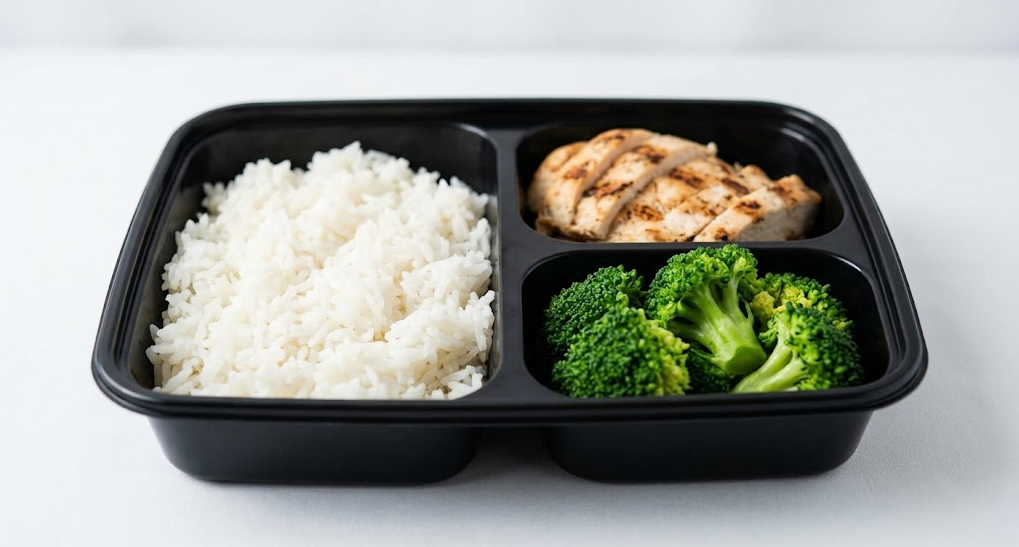
Ask most operators where profits disappear, and you’ll hear the usual answers—rising ingredient costs, delivery commissions, rent. What gets missed is something far less visible: inconsistency on the line. A scoop that runs slightly heavy during a lunch rush, an extra spoon of protein to “make it look better,” or a side that spills into the main dish during delivery. None of it feels dramatic in the moment, but over hundreds of orders a day, it adds up.
This is exactly the kind of problem people are trying to solve when they start looking at options from a custom 3 compartment tray manufacturer. Not because they want nicer packaging, but because they need a more reliable way to control what goes into each order—without slowing the team down.
Where the Real Loss Happens (and Why It’s Hard to Spot)
Most kitchens already have portion guidelines. The issue is execution. During peak hours, speed takes priority, and even well-trained staff fall back on instinct. That’s when portions start drifting.
Protein is usually the first to go off track. It’s also the most expensive item on the plate. Even a small over-serve—something that doesn’t look obvious—can quietly push your food cost up by several percentage points over time.
Then there’s the customer side. Two people ordering the same item shouldn’t receive noticeably different portions, but it happens more often than operators realize. Inconsistent experiences lead to mixed reviews, and that affects repeat business.
This is why more brands are turning to structured solutions, often starting with an OEM 3 compartment tray supplier. The goal isn’t just packaging—it’s removing guesswork from daily operations.
Why 3-Compartment Trays Work Without Extra Training

The advantage of a 3-compartment tray isn’t technical. It’s behavioral. When you give staff a container with clear sections, you’re guiding how the meal gets assembled without having to explain it every time.
Rice goes here. Protein goes there. Sides stay separate. The tray itself becomes the reference point.
Over time, this reduces variation across shifts, across staff, even across locations. You don’t have to rely as heavily on supervision because the structure is already built in.
That’s one reason multi-outlet brands often partner with an ODM 3 compartment tray factory for restaurant groups. They’re looking to standardize output, not just source containers.
There’s also a speed benefit that becomes obvious during busy periods. Instead of juggling multiple boxes or lids, everything goes into one place. Packing feels smoother, and small time savings per order quickly become meaningful at scale.
The Profit Angle Isn’t Just About Saving Food
It’s easy to assume the main benefit is reducing waste, but the impact is broader than that.
When portions become consistent, your cost per dish stabilizes. That alone makes forecasting easier. But there are other effects that show up as well.
For one, meals look cleaner and more intentional. Ingredients don’t mix unintentionally, sauces stay where they should, and the presentation holds up better during delivery. Customers notice that, even if they don’t say it directly.
Some operators find they can maintain pricing more confidently, or avoid discounting as much, simply because the product feels more consistent. Others see fewer complaints tied to messy deliveries or “smaller than last time” feedback.
Working with a 3 compartment meal tray supplier for fast casual chains often becomes part of a broader effort to tighten operations while keeping the customer experience steady.
Where These Trays Actually Make Sense
Not every concept needs compartment trays. But in certain formats, they fit naturally.
Think about bento-style meals, rice bowls with multiple sides, or any menu where separation matters. Meal prep brands also benefit because portion accuracy is part of the value they promise. In institutional settings—like schools or corporate catering—consistency across large volumes becomes much easier to maintain.
Delivery-heavy businesses probably gain the most. Once food leaves the kitchen, you lose control over how it’s handled. A well-designed tray helps preserve the original structure of the meal until it reaches the customer.
That’s why many operators look for a 3 compartment takeaway tray manufacturer for delivery brands that can offer better sealing and sturdiness, rather than just focusing on price.
Picking the Right Tray: What Actually Matters
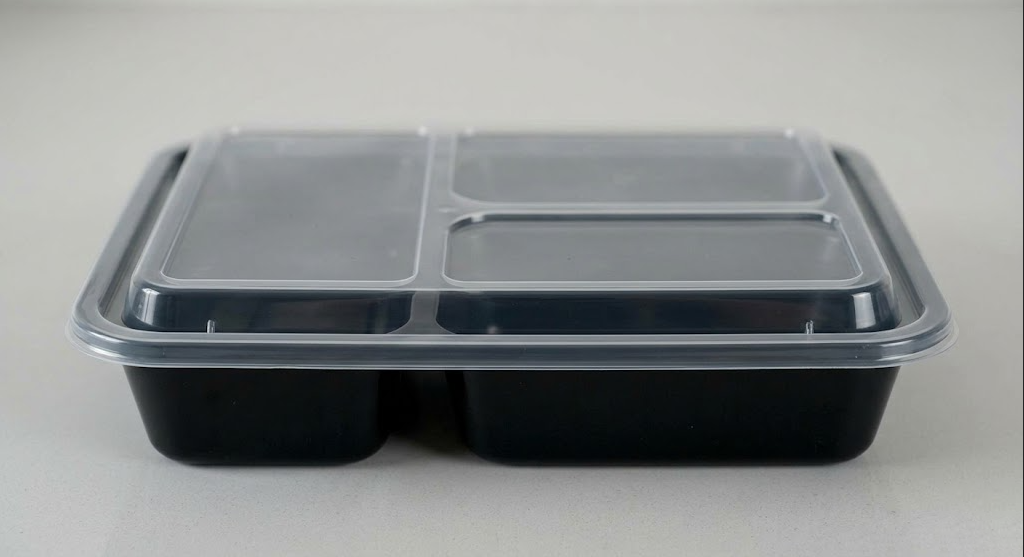
At first glance, trays can look similar. In practice, small differences make a big impact.
Material is one of them. Polypropylene handles heat well and works for microwave use. Bagasse appeals to brands leaning into sustainability. PET is better suited for cold items where clarity adds value.
But material alone isn’t enough. The depth of each compartment needs to match your portion sizes. Too shallow, and food spills over. Too deep, and staff may overfill without realizing it.
Lid fit is another area where issues show up quickly. If it doesn’t seal properly, leaks become inevitable—especially in delivery.
This is why many buyers don’t just pick from a catalog. They work with a customized 3 compartment tray factory for bulk buyers to adjust dimensions and test real use cases before committing.
Small Design Details That Change Daily Operations
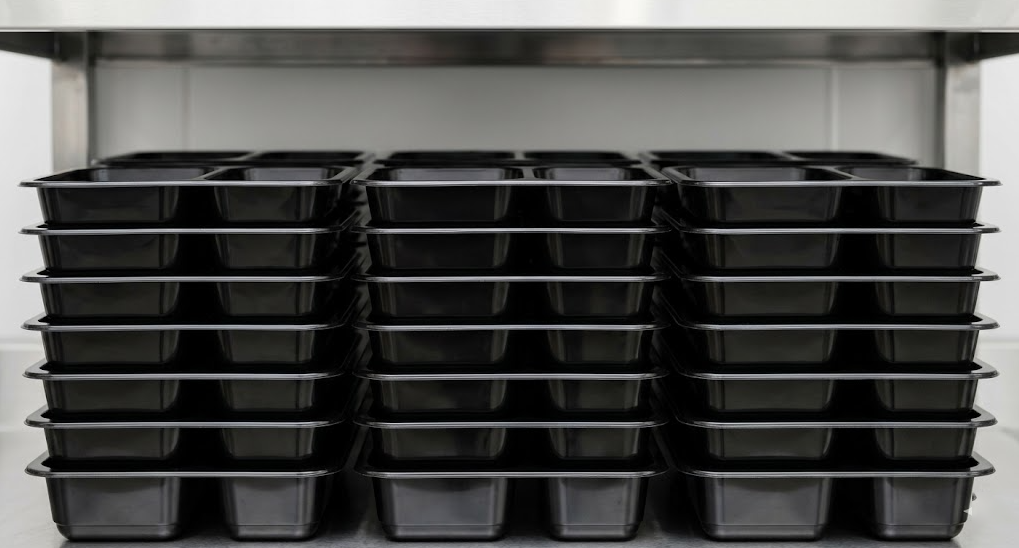
Some of the biggest improvements come from things that seem minor at first.
A lid that snaps on securely reduces the need for extra wrapping. A tray that stacks neatly saves space in the kitchen and during transport. A sturdier base prevents bending when food is hot or heavy.
Individually, these don’t feel like major upgrades. Together, they make the workflow smoother and reduce friction during busy hours.
Brands sourcing from a 3 compartment food tray manufacturer for catering services tend to pay close attention to these details because they deal with volume every day. When you’re packing hundreds of meals, even small inefficiencies become noticeable.
Using Packaging to Reinforce Your Brand
While function comes first, appearance still matters—especially for delivery.
Customers often experience your brand through packaging before they even take a bite. Clean separation, a well-fitted lid, and subtle branding all contribute to how the meal is perceived.
Some businesses take it a step further by adding logos or color variations. It doesn’t need to be flashy. Even a simple, consistent look helps build recognition over time.
That’s where working with a printed 3 compartment tray supplier for branded packaging can make sense. It keeps operations simple while adding a layer of identity.
Mistakes That Undermine the Benefits
Switching to compartment trays doesn’t automatically fix everything. There are a few common missteps.
Choosing a tray that doesn’t match your menu leads to awkward portions. Ignoring lid quality results in leaks. Testing only in-house, without considering delivery conditions, creates problems later.
Another issue is focusing too much on unit price. A cheaper tray that fails during transport can cost more in refunds and lost customers than a slightly higher-quality option.
Experienced operators usually work with a 3 compartment tray factory for large-scale food operations to test performance under real conditions before rolling out across locations.
It’s a System Upgrade, Not Just New Packaging
At a glance, 3-compartment trays look like a simple change. In practice, they reshape how meals are assembled, packed, and delivered.
They reduce reliance on judgment calls, bring more consistency to portions, and help maintain presentation outside the kitchen. Over time, that translates into more predictable costs and a steadier customer experience.
For businesses trying to scale—or simply trying to tighten control without adding complexity—that kind of stability is hard to achieve manually.
And that’s why something as simple as a tray ends up playing a much bigger role in profitability than most people expect.